कोशिश गोल्ड - मुक्त
First signs of dark matter spotted, study claims
BBC Science Focus
|January 2026
A mysterious glow surrounding the Milky Way could be the fingerprints of the Universe's most enigmatic material
-
For nearly a century, dark matter has remained an enigma. Despite it being around five times more abundant than normal (visible) matter, it can't be seen, touched or detected using any known techniques.
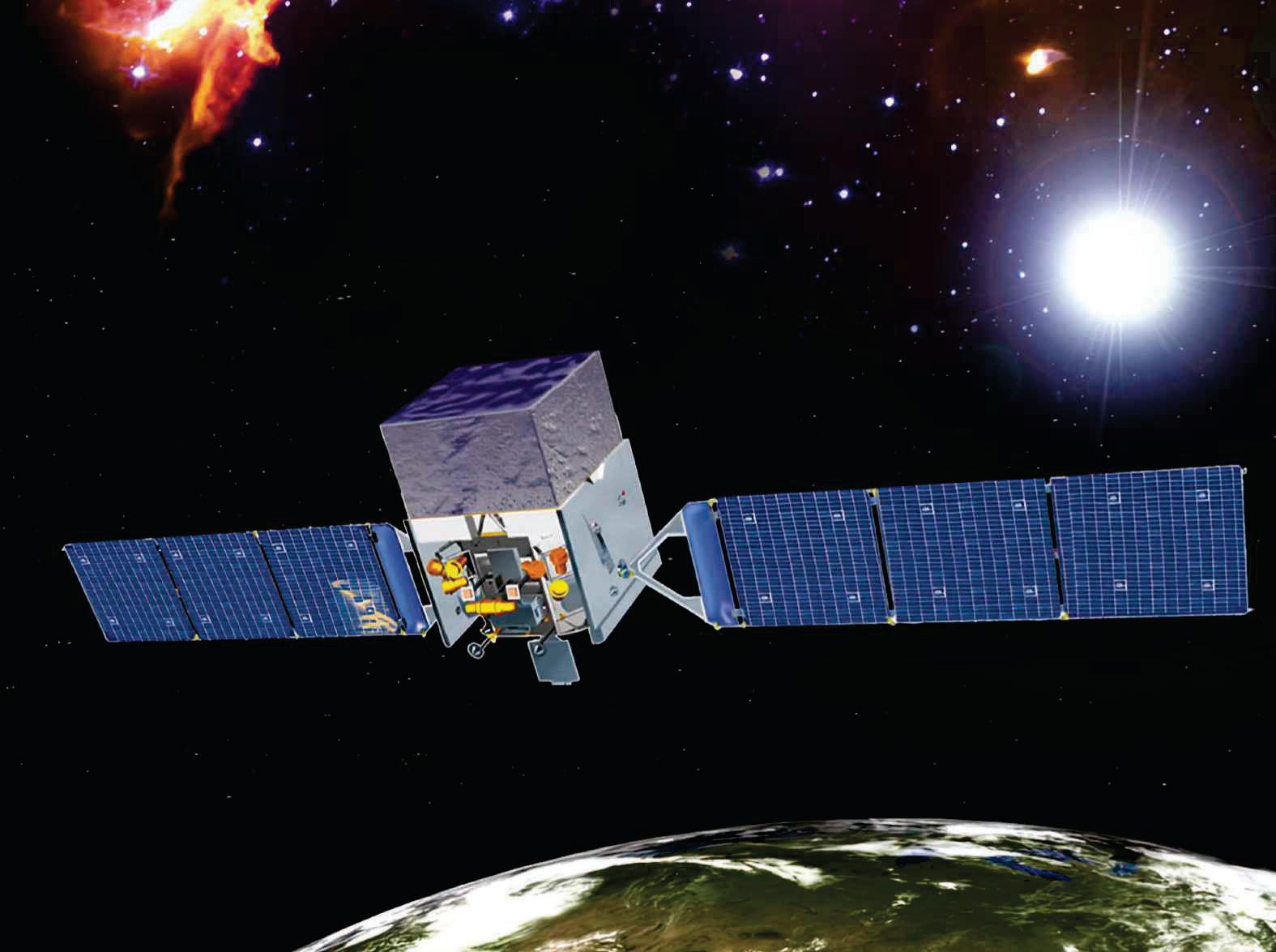
But a new analysis of 15 years of data from NASA's Fermi Gamma-ray Space Telescope claims to have picked up a signal indicating its presence.
The analysis reports the detection of a mysterious halo-like glow of gamma rays around the Milky Way, which peak sharply at energies that closely match the kind of signal expected from a particular type of hypothetical dark matter particle.
Such particles, known as weakly interacting massive particles (WIMPs), could produce the gamma rays by colliding with each other in a process known as annihilation.
It's not a detection of dark matter itself, but akin to finding the fingerprints it has left behind.
“If this is correct, to the extent of my knowledge, it would mark the first time humanity has 'seen' dark matter,” said Prof Tomonori Totani, an astronomer and author of the study.
Speaking to BBC Science Focus, he added: “When I first spotted what seemed like a signal, I was sceptical. But when I took the time to check it meticulously and felt confident it was correct, I got goosebumps.”
A CLOSE MATCHTotani’s study, published in the

यह कहानी BBC Science Focus के January 2026 संस्करण से ली गई है।
हजारों चुनिंदा प्रीमियम कहानियों और 10,000 से अधिक पत्रिकाओं और समाचार पत्रों तक पहुंचने के लिए मैगज़्टर गोल्ड की सदस्यता लें।
क्या आप पहले से ही ग्राहक हैं? साइन इन करें
BBC Science Focus से और कहानियाँ

BBC Science Focus
DOES MY BRAIN LIVE A LITTLE IN THE PAST?
Yes, your brain does live a little in the past. It can't help it. The information it receives via your senses is always a little out of date. Whether it's light entering the retinas in your eyes, or sounds vibrating the hairs in your ears, it not only takes time for the data to arrive, but your brain then has to process it.

2 mins
March 2026
BBC Science Focus
ASTRONOMY FOR BEGINNERS
RETURN OF THE EVENING STAR (VENUS)
1 mins
March 2026

BBC Science Focus
CAN YOU STOP YOUR SENSE OF TASTE DULLING AS YOU AGE?
Sometimes I hear people say that food just doesn't taste the same as they get older. It's tempting to blame this on age, but there are other factors at play, too.
1 mins
March 2026
BBC Science Focus
MICROBIOMES OF THE SUPERAGERS
BY STUDYING THE INCREASING NUMBER OF PEOPLE WHO ARE LIVING BEYOND THEIR 100TH BIRTHDAYS, SCIENTISTS ARE DISCOVERING THAT THE SECRET TO REACHING A RIPE OLD AGE IN RUDE HEALTH MIGHT LIE IN OUR GUTS
8 mins
March 2026

BBC Science Focus
HOW BIG WERE MEDIEVAL WAR HORSES?
You might picture knights charging into battle on towering steeds, but medieval horses were typically no bigger than modern-day ponies.
1 min
March 2026

BBC Science Focus
FORCES OF HABIT
Could new research on setting up healthy habits resuscitate those stuttering New Year resolutions?
3 mins
March 2026

BBC Science Focus
5 DANGERS HIDING IN YOUR PROCESSED FOOD
We all know that ultra-processed foods are bad for us, but what ingredients should we particularly try to avoid? And what are they doing to our bodies?
9 mins
March 2026

BBC Science Focus
Mosquitoes are becoming thirstier for human blood
Habitat loss may be pushing mosquitoes towards human hosts with deadly consequences
1 mins
March 2026

BBC Science Focus
HOW CAN I GET OVER MY EX?
Relationship breakups can be brutal, just look at the popularity of songs like 'Someone Like You' by Adele, or all the covers of 'Cry Me a River' by Julie London.
1 mins
March 2026
BBC Science Focus
The ancient baths of Pompeii were outrageously filthy
The pre-Roman baths of Pompeii would've been seriously grotty, according to an analysis of mineral deposits
1 mins
March 2026
Listen
Translate
Change font size