
मैगज़्टर गोल्ड के साथ असीमित हो जाओ
10,000 से अधिक पत्रिकाओं, समाचार पत्रों और प्रीमियम कहानियों तक असीमित पहुंच प्राप्त करें सिर्फ
कोशिश गोल्ड - मुक्त
Documenting riverine communities amid Panama’s greatest ever drought where water remembers
The Caravan
|May 2025
WHEN JENENÉ, our portrait of the Chagres River, was being published, in 2023, Panama experienced its worst drought in over a century. My collaborator, Andrea Lino, and I were aware that the water shortage was becoming increasingly acute, due to climate change, but had no idea this drought would occur so soon after or be so severe. While local communities have borne the brunt, the impact has been felt across the world.
-
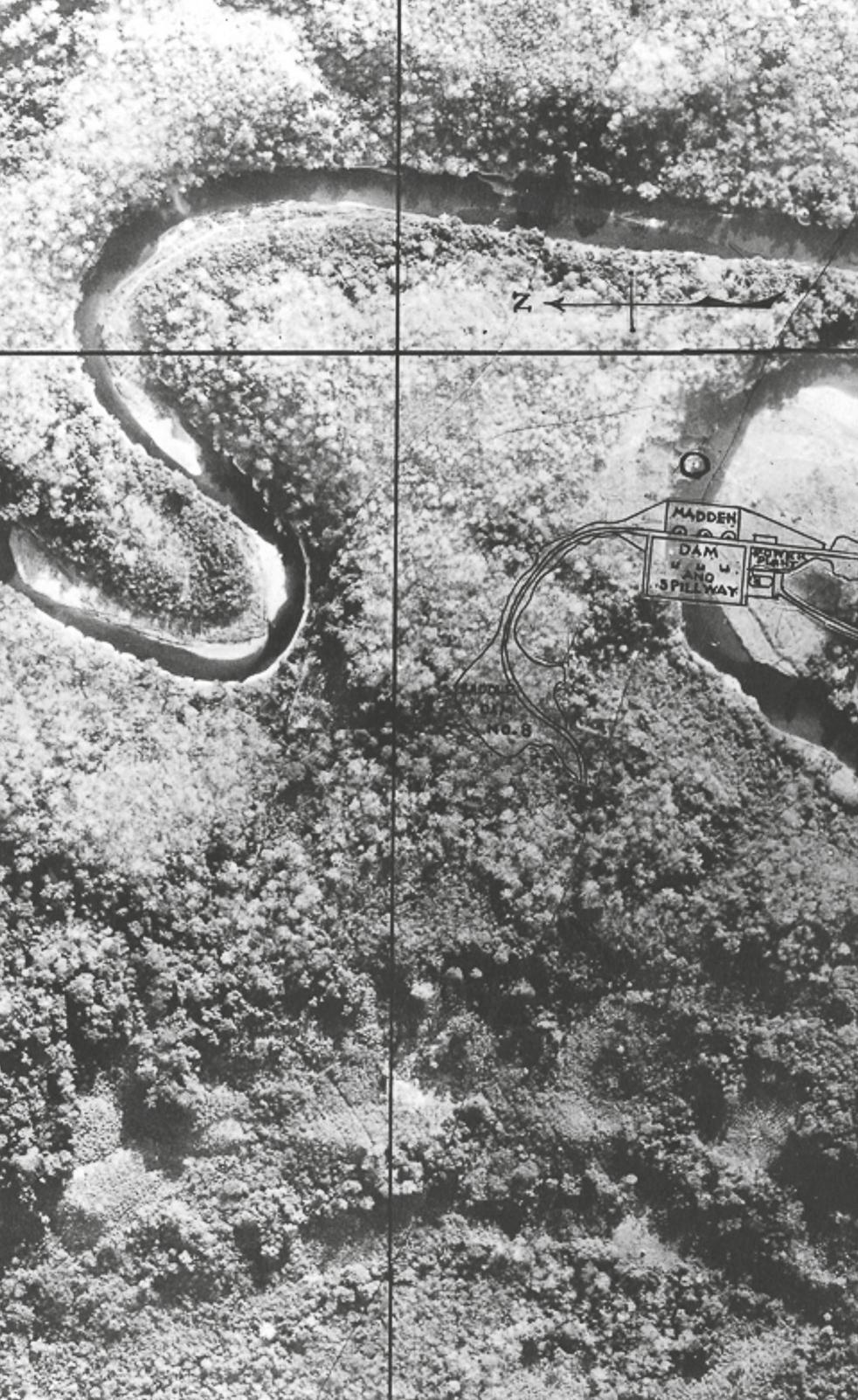
The Chagres has played a crucial role in both the country's history and its modern infrastructure. It originates in the Cordillera de San Blas mountains and winds through dense rainforests before feeding the Gatún Lake, the primary reservoir for the Panama Canal, which accounts for three percent of global maritime trade. With the water level of the Gatún reaching record lows, the Panama Canal Authority limited daily ship crossings, creating bottlenecks. The canal operated at 63 percent of its normal capacity in 2024. In response, the authority has proposed to dam the Indio River, which is expected to affect at least two thousand people living along its banks. The reservoir of the proposed dam—expected to be completed by 2027—will be spread across three provinces. The plan has been met with significant opposition and anger.
Segundo Caisamo, whose grandfather founded one of the communities in the upper Chagres, showed me a side of the river in 2019, which was the beginning of a long and winding project. Over the next five years, I spent a lot of time on the river and with its people, chillian-do—chilling. This seemingly remote and idyllic space, with the omnipresence of the river evident in every gesture, conversation or daily decision, was being impacted by global trade.
The Chagres, which used to empty into the Atlantic Ocean, was an essential route for indigenous communities long before the arrival of European explorers. In the sixteenth century, Spanish colonists used it as a transport corridor, moving gold and goods across the Isthmus of Panama. During the California Gold Rush, between 1848 and 1855, thousands of prospectors travelled along the river en route to California, making it one of the busiest waterways in the Americas. The river's strong currents and unpredictable floods made navigation extremely dangerous.

यह कहानी The Caravan के May 2025 संस्करण से ली गई है।
हजारों चुनिंदा प्रीमियम कहानियों और 10,000 से अधिक पत्रिकाओं और समाचार पत्रों तक पहुंचने के लिए मैगज़्टर गोल्ड की सदस्यता लें।
क्या आप पहले से ही ग्राहक हैं? साइन इन करें
The Caravan से और कहानियाँ

The Caravan
Dim Views
Punjab's new media suffers from old problems

22 mins
February 2026

The Caravan
ON FIRM GROUND
The civic struggle against uranium mining in the West Khasi Hills
6 mins
February 2026

The Caravan
DANGEROUS LIAISON
Why India enabled Israel's genocide in Gaza
44 mins
February 2026

The Caravan
Platform for Change
A women-led union gives voice to India's gig workers
6 mins
February 2026

The Caravan
NARAVANE'S Moment of Truth
An army chief's unpublished memoir exposes how the Modi government spun the China border crisis
44 mins
February 2026

The Caravan
A Brief History of the Slap
How Telugu cinema's heroes turn violence against women into romance
9 mins
February 2026

The Caravan
FACE PALM
Why the Congress keeps losing elections
33 mins
January 2025

The Caravan
The Great Transformation
Challenges facing independent news outlets in the digital age/Media
6 mins
January 2025

The Caravan
The Mob Comes for Film Critics
Dhurandhar and the manufacture of a national consensus
11 mins
January 2025

The Caravan
Memories Are Made of This
FOOD IN DALIT AND ADIVASI WRITING
15 mins
January 2025
Listen
Translate
Change font size