
मैगज़्टर गोल्ड के साथ असीमित हो जाओ
10,000 से अधिक पत्रिकाओं, समाचार पत्रों और प्रीमियम कहानियों तक असीमित पहुंच प्राप्त करें सिर्फ
कोशिश गोल्ड - मुक्त
How Bad Bunny Did It
The Atlantic
|February 2026
The Super Bowl headliner doesnt care if you understand his lyrics.
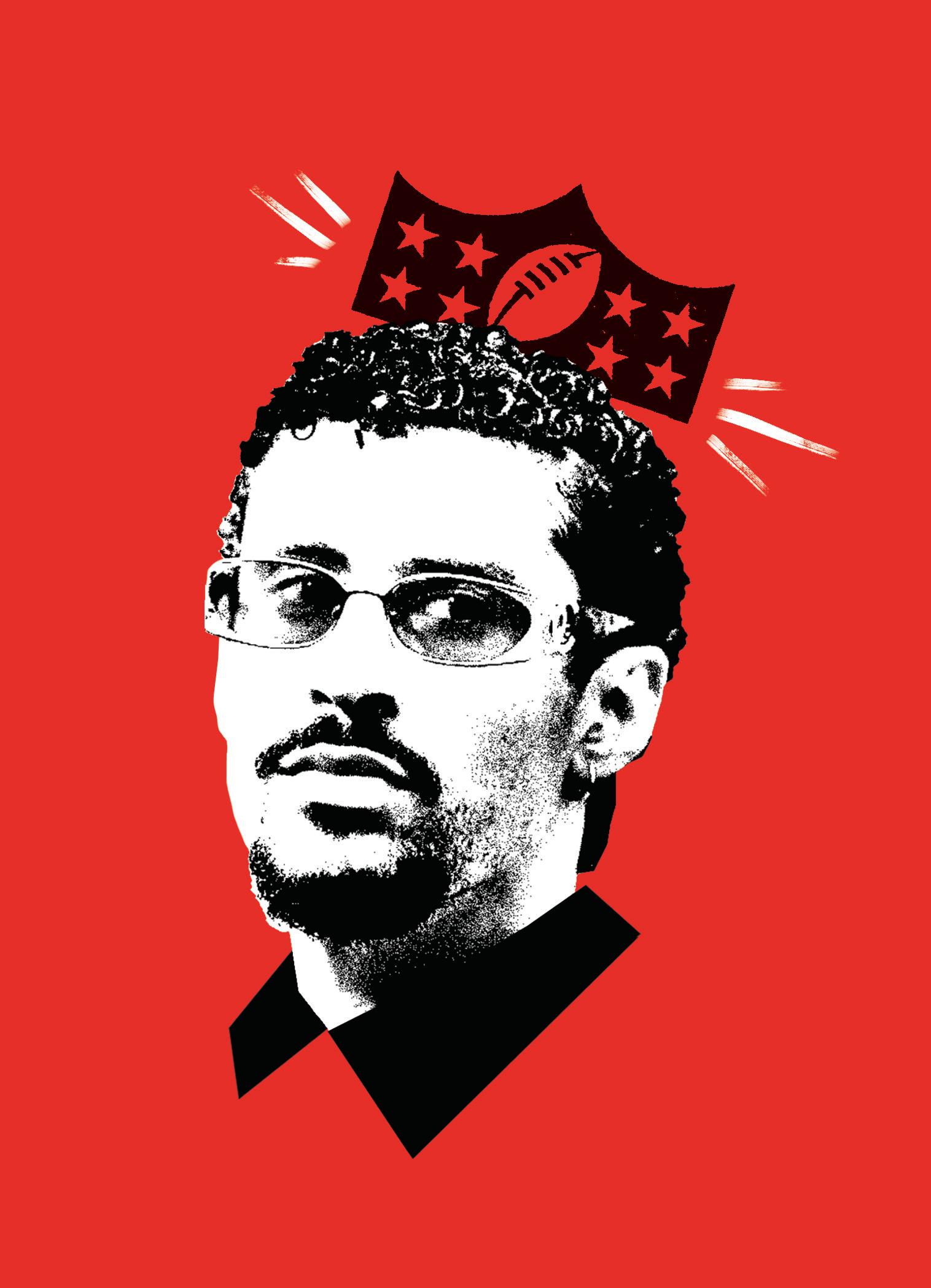
A few years ago, I visited my childhood home and heard a surprising sound: the bright and bouncy music of the Puerto Rican rapper Bad Bunny. My parents are white Baby Boomers who speak no Spanish and have never shown a taste for hip-hop, but they'd somehow gotten into Benito Antonio Martínez Ocasio, whose sex-and-rum-drenched lyrics they couldn't begin to decipher. The vector of transmission appeared to be the streaming service hooked to their smart speakers. When in need of a pick-me-up, Mom would shout, “Alexa, play Bad Bunny,” and make her Southern California kitchen sound like a San Juan nightclub.
Stories like this help explain how Bad Bunny has reached across language barriers to dominate pop domestically and abroad. Since uploading his first single in 2016, he’s broken U.S. sales records and claimed the title of the most streamed artist on Spotify in four separate years. His popularity, high standing with critics, and duration of success make him a peer—and sometimes a better-selling one—of such contemporary titans as Taylor Swift, Beyoncé, and Kendrick Lamar. Like them, he’s figured out that 21st-century-pop success is achieved by assembling excitingly hybrid sounds around an iron core of identity. In his case, that means performing almost exclusively in Spanish.
Many Latin American singers have enjoyed crossover fame before, but none has done it in the way Bad Bunny has, or at the same scale. Before streaming, they couldn’t: Major-market radio DJs, record-label execs, and the media still decided what constituted the American mainstream, and conventional wisdom said that audiences preferred music whose lyrics they could understand. Ricky Martin, Enrique Iglesias, and Shakira cracked U.S. markets only after they started singing in English. Rare exceptions, such as “Macarena,” by Los del Río, didn’t even confer name recognition upon their creators.

यह कहानी The Atlantic के February 2026 संस्करण से ली गई है।
हजारों चुनिंदा प्रीमियम कहानियों और 10,000 से अधिक पत्रिकाओं और समाचार पत्रों तक पहुंचने के लिए मैगज़्टर गोल्ड की सदस्यता लें।
क्या आप पहले से ही ग्राहक हैं? साइन इन करें
The Atlantic से और कहानियाँ

The Atlantic
The Eighth Deadly Sin
Humankind has devised a new form of debasement.

5 mins
May 2026

The Atlantic
The Art of the (New) Deal
What the murals of the Wilbur J. Cohen Federal Building can teach us about patriotism, propaganda, and beauty
12 mins
May 2026

The Atlantic
New Chairs
Collaboration, for Robert Rauschenberg and Merce Cunningham, began with the arrangement of chairs.
1 mins
May 2026

The Atlantic
HISTORY IS RUNNING BACKWARDS
Why reactionaries are taking over the world
21 mins
May 2026

The Atlantic
SOMEDAY IN TEHRAN
Like Donald Trump, I, too, once underestimated the Islamic Republic of Iran.
16 mins
May 2026

The Atlantic
On Losing a Daughter
The people we were died at the exact moment our child did.
19 mins
May 2026

The Atlantic
I Found It: The Best Free Restaurant Bread in America
Thirteen thousand miles. Infinite contenders. One beautiful loaf.
15 mins
May 2026

The Atlantic
EVERYTHING IS FREE AND NOTHING MATTERS
What I saw at Jeff Bezos's Campfire retreat
9 mins
May 2026

The Atlantic
Who Is Black Comedy For?
A new book is nostalgic for the '90s. But the era of crossover success was not necessarily the pinnacle of Black comedic achievement.
8 mins
May 2026

The Atlantic
The Feeling of Becoming Less and Less of a Person
In Ben Lerner's new novel, technology divides us further from one another, and ourselves.
9 mins
May 2026
Listen
Translate
Change font size