
मैगज़्टर गोल्ड के साथ असीमित हो जाओ
10,000 से अधिक पत्रिकाओं, समाचार पत्रों और प्रीमियम कहानियों तक असीमित पहुंच प्राप्त करें सिर्फ
कोशिश गोल्ड - मुक्त
Extreme Floods are Slashing Global Rice Yields Faster than Expected
TerraGreen
|November 2025
WMO Report Highlights Increasingly Erratic Water Cycle
-
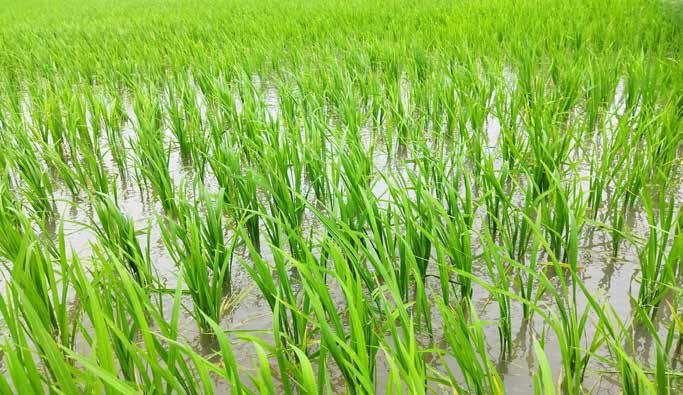
Extreme floods are cutting global rice yields faster than expected, with a week of full submergence enough to kill most rice plants. Stanford researchers found flooding has caused rising losses since 2000, worsened by climate change. The study identifies high-risk regions and stresses the need for flood-resistant varieties as intense rainfall and combined climate stresses threaten future rice production.
Scientists have discovered that a week of full submergence is enough to kill most rice plants, making flooding a far greater threat than previously understood. Intensifying extreme rainfall events may amplify these losses unless vulnerable regions adopt more resilient rice varieties.
Intense flooding has significantly reduced rice harvests around the world in recent decades, putting at risk the food supply of billions of people who rely on the grain as a dietary staple. Between 1980 and 2015, annual losses averaged about 4.3 per cent, or roughly 18 million tonnes of rice each year, according to Stanford University research published recently in Science Advances.
The researchers found that the damage has grown worse since 2000 as extreme floods have become more common in many of the planet's main rice-growing regions. They report that climate change is likely to further increase the frequency and severity of these destructive floods in the coming decades.
Droughts, Floods, and a Delicate Balance for Rice

यह कहानी TerraGreen के November 2025 संस्करण से ली गई है।
हजारों चुनिंदा प्रीमियम कहानियों और 10,000 से अधिक पत्रिकाओं और समाचार पत्रों तक पहुंचने के लिए मैगज़्टर गोल्ड की सदस्यता लें।
क्या आप पहले से ही ग्राहक हैं? साइन इन करें
TerraGreen से और कहानियाँ
TerraGreen
Motor Efficiency
The Silent Catalyst of India's Green Industrial Revolution

4 mins
January 2026

TerraGreen
Beauty That Betrays!
The Quiet Invasion of An Ornamental Plant
3 mins
January 2026
TerraGreen
Farming Innovation Addresses Food Shortages
Also Halves Methane Emissions
4 mins
January 2026

TerraGreen
Aravalli on the Edge
Saving India's Ancient Green Shield from Collapse
3 mins
January 2026
TerraGreen
From Orchard to Table
Apple Picking, Family Time, and Fall Colours
4 mins
January 2026

TerraGreen
Coral Reefs Could Feed Millions
If We Let Them Rebuild
3 mins
January 2026

TerraGreen
Resting on Deodars
How Fallen Trees are Being Reimagined as Urban Assets in Shimla
3 mins
January 2026

TerraGreen
India's Clean-Air Innovation at Risk
Nationwide Assessment by WeNaturalists
2 mins
January 2026

TerraGreen
CNFF-25
Highlights Environmental Concern Amid India's Cultural Heritage
3 mins
January 2026
TerraGreen
Green Farming through Circular Economy
Sustainable Practices for Waste Reduction
8 mins
January 2026
Listen
Translate
Change font size