कोशिश गोल्ड - मुक्त
LET REFUGEES HELP REFUGEES
TIME Magazine
|October 28, 2024
At the annual gathering of the U.N. General Assembly last month, when the subject was briefly Sudan, the U.S. ambassador spoke of "compassion collapse," defined as the human tendency to turn away from mass suffering. The suffering in Sudan is certainly on a mass scale. Eleven million people have fled their homes, pursued by men with guns and followed by famine.
More than half of the country's population of 46 million is experiencing acute hunger, and three-quarters of a million people face starvation. Sudan is the worst humanitarian situation in the world, and with the international appeal for funds short by 60%, governments are not rising to it.
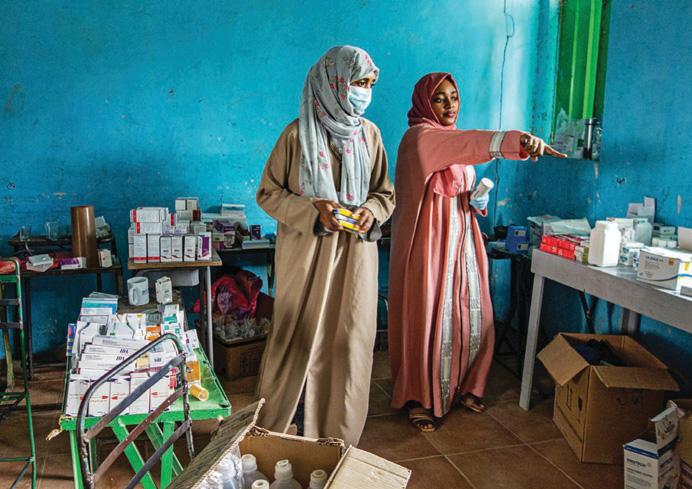
But people are. During a visit to the Sudanese border this fall, I saw volunteers doing more, with next to nothing, than those who have the ability to make the biggest impact. Hafiz Issak Aroun, a Chadian doctor, had resigned his job at a hospital to set up a clinic in the border town of Adré, treating refugees for free. "We are all volunteers here," he said, "and we're desperate for support to keep this going" In Khartoum, neighborhood mutualaid groups known as Emergency Response Rooms operate 350 communal kitchens. They know the value of living a life of service and grace, of adding to the lives of those around you.
Local responders see not mass suffering but, rather, the needs of the person in front of them. Local volunteers, who include refugees themselves, are doing the work that the outside world says should be done, and often better than any outsider could. But they struggle to do it without the support that wealthier countries can provide.


यह कहानी TIME Magazine के October 28, 2024 संस्करण से ली गई है।
हजारों चुनिंदा प्रीमियम कहानियों और 10,000 से अधिक पत्रिकाओं और समाचार पत्रों तक पहुंचने के लिए मैगज़्टर गोल्ड की सदस्यता लें।
क्या आप पहले से ही ग्राहक हैं? साइन इन करें
Listen
Translate
Change font size