
मैगज़्टर गोल्ड के साथ असीमित हो जाओ
10,000 से अधिक पत्रिकाओं, समाचार पत्रों और प्रीमियम कहानियों तक असीमित पहुंच प्राप्त करें सिर्फ
कोशिश गोल्ड - मुक्त
America: Start here
TIME Magazine
|April 08, 2024
IF THERE'S ONE THING YOU SHOULD KNOW ABOUT ME, it's that I'm utterly unsuited for bureaucracy. I don't know my passwords to anything. I have thousands and thousands of unread emails. I don't open mail because I assume it'll be bad news. I've never had a credit card. But it's also something that, as a filmmaker and a writer, deeply fascinates me-how sterile, faceless, and universally isolating it all can be.
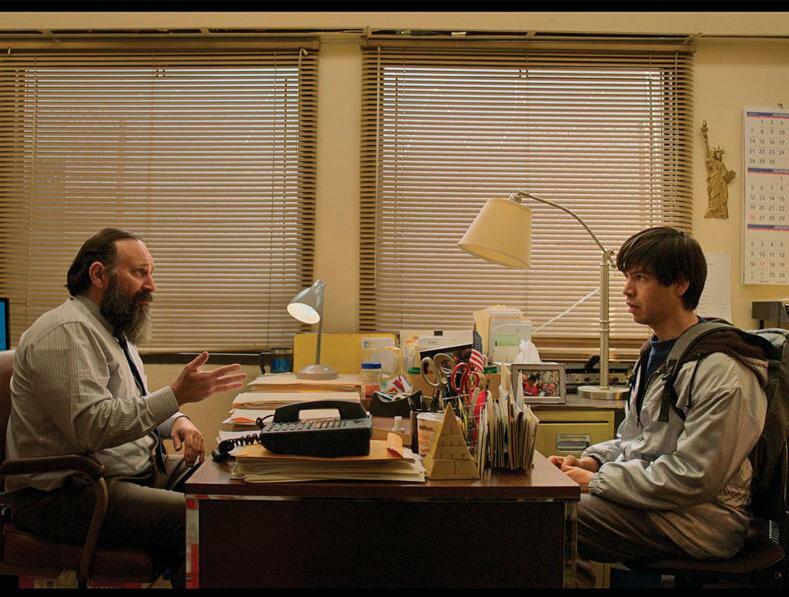
When I set out to make my movie Problemista, among the biggest things I wanted to explore was the relentless maze of American bureaucracy, particularly in the U.S. immigration system. It's a terrain I've had to traverse as a young college student from El Salvador in the early 2010s and one that the protagonist of the movie, Alejandro, has to navigate too. But I soon came to realize that I wasn't the only one on set who had been dealing with this: Laith Nakli-the actor who plays Alejandro's immigration lawyer-has been weaving through the twists and turns of this system for most of his adult life. A cosmic irony I couldn't unsee.
Laith is British Syrian and moved to the U.S. in the '90s. In his 20s, he got into bodybuilding and was caught moving a package of steroids-a favor that he was doing for his then coach. The offense culminated in his getting arrested and having to do 200 hours of community service. Laith ended up doing 400, and afterward he was on probation. For most people that would be the end of the story: a pretty small offense and a pretty low sentencing. Done and done after "paying his debt to society," as they say. But for someone in Laith's position who's not from the U.S., this resulted in his having to reapply for a visa every year to continue to stay here.
Because of this, Laith is unable to leave the States. He hasn't been able to visit his family, and what's more, his blossoming career as an actor has a ceiling. Even though great opportunities come about, he has had to turn down jobs because they shoot abroad. And if you're working in the entertainment industry in the U.S., you know that more and more things are shooting all over the world.

यह कहानी TIME Magazine के April 08, 2024 संस्करण से ली गई है।
हजारों चुनिंदा प्रीमियम कहानियों और 10,000 से अधिक पत्रिकाओं और समाचार पत्रों तक पहुंचने के लिए मैगज़्टर गोल्ड की सदस्यता लें।
क्या आप पहले से ही ग्राहक हैं? साइन इन करें
Listen
Translate
Change font size