कोशिश गोल्ड - मुक्त
SEEDS OF SORROW
THE WEEK India
|June 08, 2025
Lack of structural reforms, institutional support and political will are driving farmers to suicide
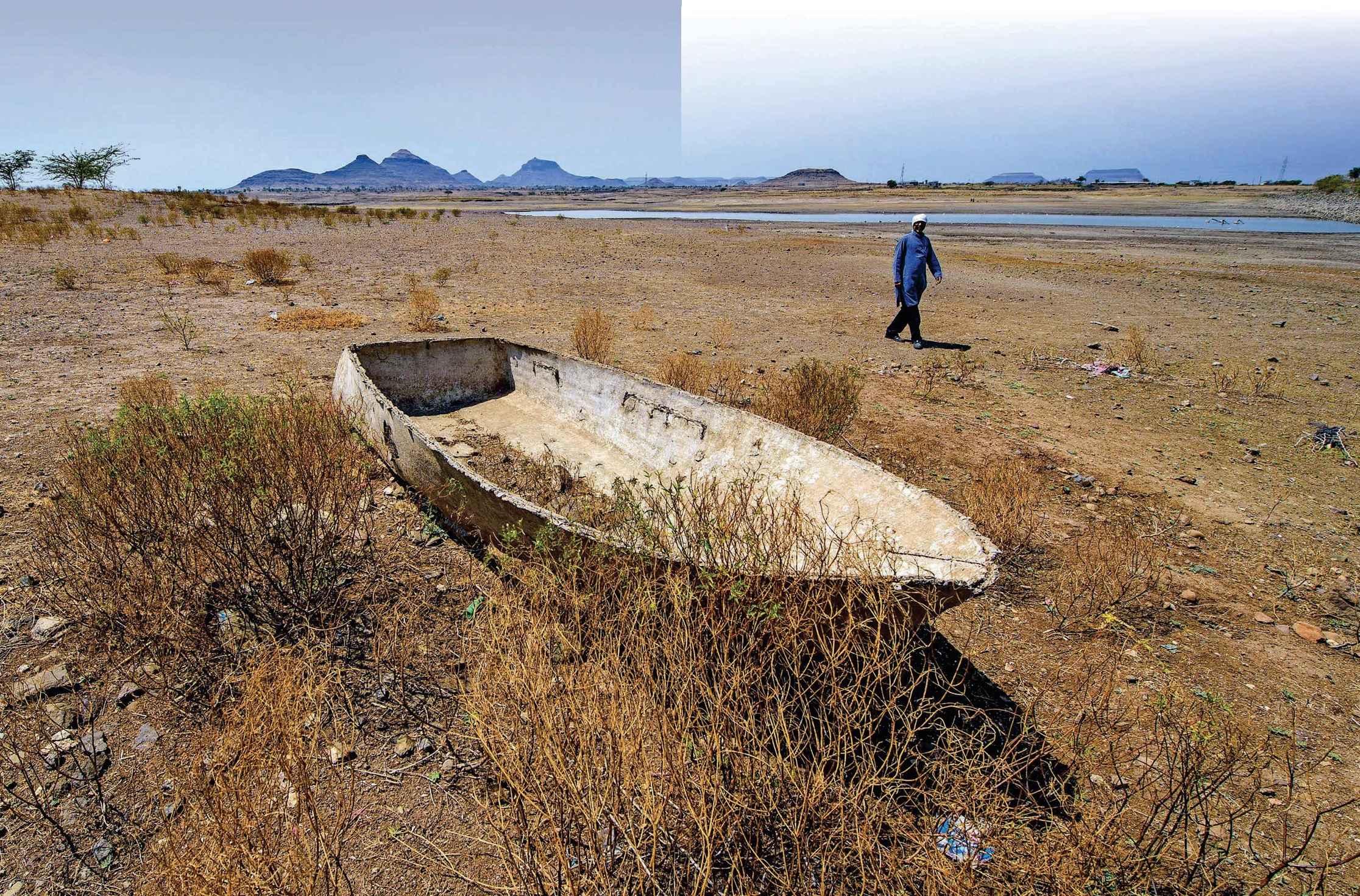
Kartiki and Sri Punyavati keep asking their uncle Bhagwat Jadhav when they can meet their parents. Bhagwat, unfortunately, has no answer. He does not know how to tell the two girls, aged six and two, the painful truth—that their parents are no more.
Bhagwat's elder brother Sachin, a cotton and soybean farmer, ended his life on April 13 by consuming paraquat, a herbicide known to cause certain death if ingested. On hearing the news, his wife Jyoti, who was pregnant with their third child, drank from the same bottle discarded near their house. Two swigs of paraquat wiped out three lives within hours.
The Jadhavs' house in Malsonna, a village in Maharashtra's Parbhani district in the Marathwada region, is typical of a small farmer's dwelling. There are just two partially open rooms made of black stone, with a tin shed covering a small open space. When THE WEEK visited Bhagwat, his hands were still stained with henna—he got married only recently. “He used to constantly worry about how he would repay his debts,” said Bhagwat, as Kartiki and Sri Punyavati played nearby. “He had borrowed a few lakhs from a bank and some more from a private lender.”
Bhagwat's father, Balaji Jadhav, is rarely at home. He prefers working in the fields to distract himself from the trauma of losing his son and pregnant daughter-in-law. “Even the tehsildar was unwilling to visit until our leaders raised their voices,” said Kishor Dhage, Parbhani district chief of the Shetkari Sanghatana, a farmers' organisation led by former MP Raju Shetty. Following the state government's inaction, Shetty and his supporters organised a silent march in protest. “Deputy Chief Minister Ajit Pawar found time to visit a nearby temple but not to offer condolences to the grieving family. Even the district’s guardian minister, Meghna Bordikar, a local herself, has not visited,” Dhage said.


यह कहानी THE WEEK India के June 08, 2025 संस्करण से ली गई है।
हजारों चुनिंदा प्रीमियम कहानियों और 10,000 से अधिक पत्रिकाओं और समाचार पत्रों तक पहुंचने के लिए मैगज़्टर गोल्ड की सदस्यता लें।
क्या आप पहले से ही ग्राहक हैं? साइन इन करें
THE WEEK India से और कहानियाँ
THE WEEK India
MASSIVE ADMISSION INTAKE MUST BE REWORKED
INTERVIEW: Professor Onkar Singh former governing board member, IIT Kanpur and IIT (BHU) Varanasi

2 mins
July 05, 2026

THE WEEK India
KNOWLEDGE WARRIORS
A simple mantra—what problem can I solve—is reshaping college education in India
5 mins
July 05, 2026

THE WEEK India
IN GREEN WE TRUST
Inside the Congress leadership's secretive green paper system that quietly drives crucial decisions
3 mins
July 05, 2026

THE WEEK India
Flower power
Thanks to government policy and scientific intervention, Bhaderwah’s lavender fields have become the epicentre of India’s Purple Revolution. The next step: going global
4 mins
July 05, 2026

THE WEEK India
The pineal gland
The first thing I noticed was that he never looked me in the eye.
3 mins
July 05, 2026
THE WEEK India
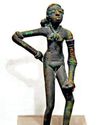
A centennial gift for the naked dancer
For a hundred years, she danced with naked abandon, and the world of antiquarians enjoyed watching her.
2 mins
July 05, 2026

THE WEEK India
BUILT DIFFERENT
India’s premier technology institutes are rethinking what an engineer should be Darling, can you buy a pint of milk,” asked the engineer's wife.
4 mins
July 05, 2026

THE WEEK India
The return of trust
A new, evolving framework for returning money to victims is reshaping the Enforcement Directorate’s response to financial fraud
7 mins
July 05, 2026

THE WEEK India
HOW YOU THINK MATTERS FAR MORE THAN WHAT YOU KNOW
Sunil Chemmankotil country manager, Adecco India
2 mins
July 05, 2026

THE WEEK India
THE LEGEND IN SLO-MO
His brace against Uzbekistan notwithstanding, Cristiano Ronaldo is searching for the speed and mobility that made him one of the greatest attackers of all time
7 mins
July 05, 2026
Listen
Translate
Change font size