
मैगज़्टर गोल्ड के साथ असीमित हो जाओ
10,000 से अधिक पत्रिकाओं, समाचार पत्रों और प्रीमियम कहानियों तक असीमित पहुंच प्राप्त करें सिर्फ
Donizetti's opera comes to a bloody end as sopranos scrap
BBC Music Magazine
|September 2025
Nineteenth-century opera is packed with scenes of fiery confrontation, from the red-hot love entanglements in Bizet’s Carmen to the apocalyptic clashes between gods, demigods and humans in Wagner's Ring cycle. Few, though, are fierier than the convulsive episode Gaetano Donizetti placed at the heart of his opera Maria Stuarda, as he readied it for presentation at the Royal Court of Naples in 1834.
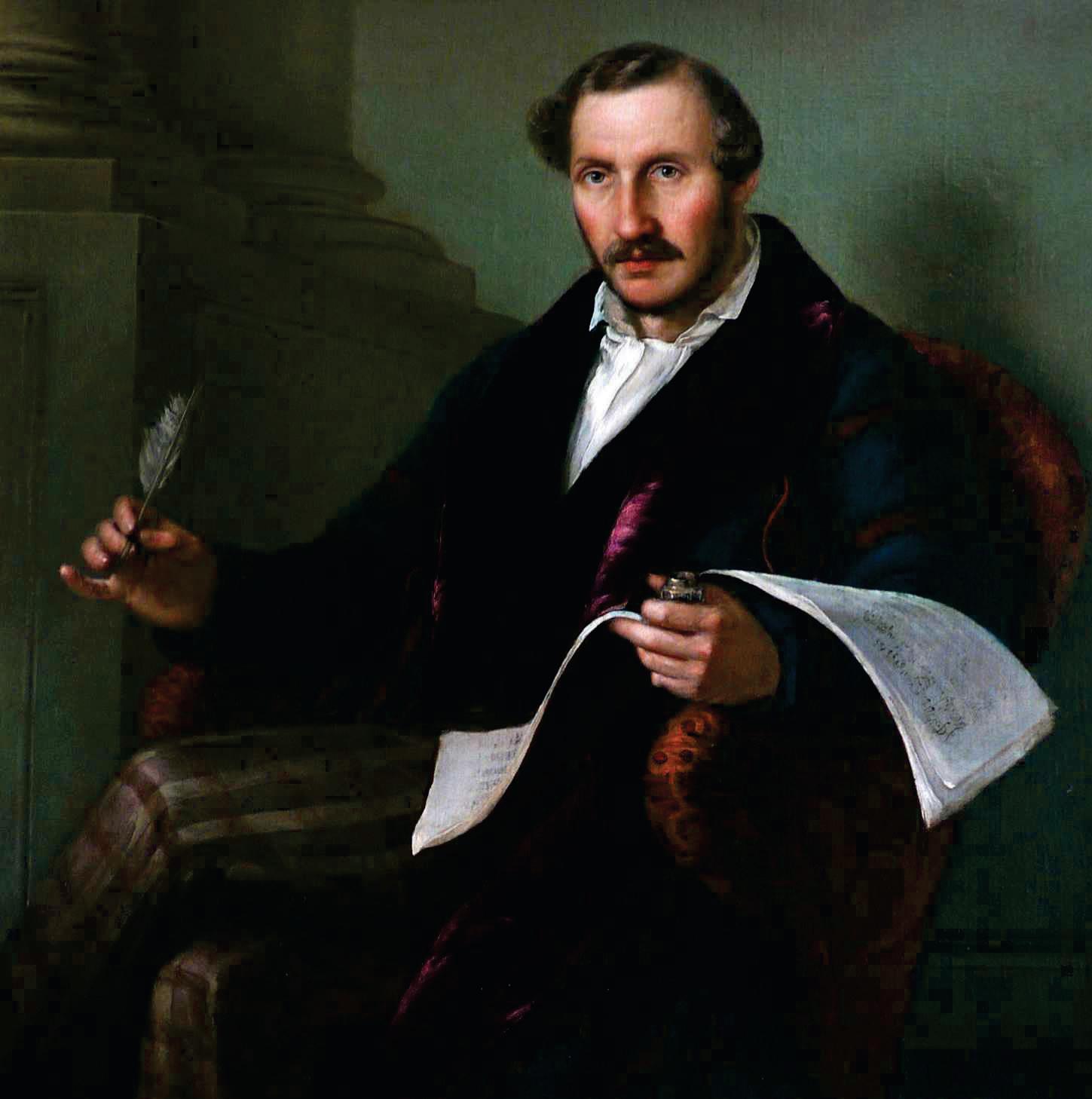
Though the opera was based on British history – its central characters are Mary, Queen of Scots and her cousin Queen Elizabeth I of England - its central scene, where the two queens meet in person, was in fact invented by the German writer Friedrich Schiller for his play Maria Stuart, on which Donizetti based his opera. The queens’ meeting, though fictional, sharply focused the intensely charged issues both personal and political between Elizabeth and Mary. It was, Donizetti and his librettist Giuseppe Bardari agreed, simply too good a dramatic opportunity to miss.
But there were troubles ahead. Bardari’s text for the meeting scene, for one thing, set new standards of verbal profanity and vituperation in opera. Mary at one point screeches, enraged by Elizabeth’s refusal to release her from prison. she continues, referencing the annulment of Elizabeth's mother Anne Boleyn’s marriage to Henry VIII just days before Anne’s execution. This was incendiary language, especially coming from the mouth of a monarch. Would it prove too much for the Neapolitan censors?
It certainly proved too much for the singers cast to play the parts of Mary and Elizabeth in

यह कहानी BBC Music Magazine के September 2025 संस्करण से ली गई है।
हजारों चुनिंदा प्रीमियम कहानियों और 10,000 से अधिक पत्रिकाओं और समाचार पत्रों तक पहुंचने के लिए मैगज़्टर गोल्ड की सदस्यता लें।
क्या आप पहले से ही ग्राहक हैं? साइन इन करें
BBC Music Magazine से और कहानियाँ
BBC Music Magazine
Hiss and make-up
From boos to vegetables, opera stars have had to put up with all sorts being aimed in their direction over the centuries

8 mins
Christmas 2025

BBC Music Magazine
A vivid and intimate portrait of Mahler
Anna Lucia Richter brings striking depth and expressive insight to the composer's song-settings
2 mins
Christmas 2025

BBC Music Magazine
It's all in the genes
Is it a bonus or a burden to be the musical child of musical parents?
7 mins
Christmas 2025

BBC Music Magazine
Banff Canada
Spectacular views and equally stunning string quartet performances are on Jeremy Pound's agenda as he heads to the Canadian Rockies
3 mins
Christmas 2025

BBC Music Magazine
Morten Lauridsen
Terry Blain explores the life of a self-imposed recluse whose magical O Magnum Mysterium beguiles millions of listeners each Christmas
6 mins
Christmas 2025

BBC Music Magazine
In good faith
Composer Roxanna Panufnik and writer Jessica Duchen tell Amanda Holloway how they have joined forces for a new choral work that looks well beyond Christmas for its festive celebrations
8 mins
Christmas 2025

BBC Music Magazine
Westward Ho!
Composer Alex Ho is part of a growing community of musicians combining their British and Chinese heritage in fascinating ways
7 mins
Christmas 2025

BBC Music Magazine
Music & mercy
explores Venice's Ospedale della Pietà, the girls' orphanage where Vivaldi taught and composed
7 mins
Christmas 2025
BBC Music Magazine
Jingle hell!
As the Christmas season approaches, the BBC Music Magazine team share the festive tunes that make our hearts sink
9 mins
Christmas 2025
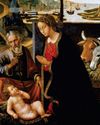
BBC Music Magazine
Bach's recycled choral music brings festive cheer to Leipzig
Shout, exult, arise, praise these days! Glorify what the Almighty today has done!' Early on the morning of 25 December 1734, these words resounded from the choir stalls of the Thomaskirche, Leipzig, to a jubilant accompaniment of festive timpani, pealing trumpets and scampering violins. Seated at a keyboard, the church's director of music Johann Sebastian Bach marshalled the musicians in a performance of the cantata Jauchzet, frohlocket! Auf, preiset die Tage, which preceded the sermon in the morning service.
3 mins
Christmas 2025
Listen
Translate
Change font size