
मैगज़्टर गोल्ड के साथ असीमित हो जाओ
10,000 से अधिक पत्रिकाओं, समाचार पत्रों और प्रीमियम कहानियों तक असीमित पहुंच प्राप्त करें सिर्फ
HOTEL CALIFORNIA
Horticulture
|Summer 2025
A look at the unique climate and keystone plants that form Ecoregion 11's habitats
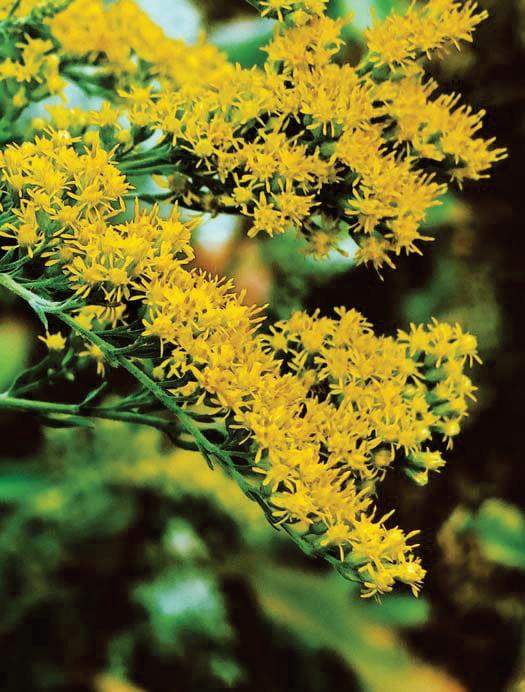
WITH ALL THE SUNSHINE, warm weather and winter's atmospheric rivers soaking the West Coast, you'd think that California would be the home of a strong, ecologically complex native flora supporting an equally strong, complex fauna.
So I thought before moving in 1985 from my USDA Zone 6 homeland on the East Coast to Sonoma County's Zone 9 Mediterranean climate, just north of San Francisco. Over the past 40 years, I have come to 2 broad conclusions about this fabled region.
The first conclusion is to agree with Luther Burbank—a local guy from Santa Rosa and a horticultural genius who introduced over 800 new or improved plants into commerce from 1870 until his death in 1926—when he said, “I firmly believe, from what I have seen, that Sonoma County is the chosen spot of all this earth, as far as nature is concerned.”
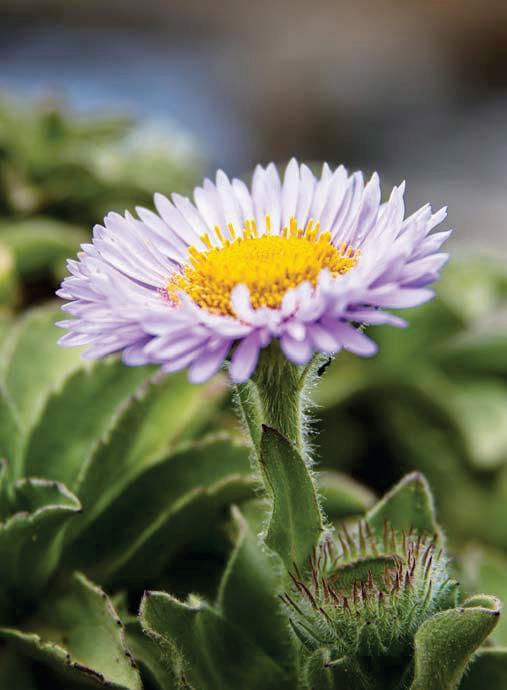 The second conclusion is that this chosen spot has a delicate and easily damaged native ecosystem. It's true that you can grow just about anything here. Danny O'Keefe wrote a song about it: “In Northern California (Where the Palm Tree Meets the Pine).” But that’s a problem as well as a blessing. Most of the flora that you find here has been imported from elsewhere and cultivated by human beings.
The native vegetation features tall trees along the coast and parklike associations of oak trees and madrone (Arbutus menziesii) interspersed with areas of grasses and shrubs in inland areas. Once you’re over the coastal mountains into California’s flat Central Valley, the climate is no longer Mediterranean; it becomes a hot semi-desert that takes its water from rivers flowing from the north or meltwater from the snowpack on the Sierra mountains that rises to the east. The Central Valley is America’s vegetable garden because of its mild winters and water resources.

यह कहानी Horticulture के Summer 2025 संस्करण से ली गई है।
हजारों चुनिंदा प्रीमियम कहानियों और 10,000 से अधिक पत्रिकाओं और समाचार पत्रों तक पहुंचने के लिए मैगज़्टर गोल्ड की सदस्यता लें।
क्या आप पहले से ही ग्राहक हैं? साइन इन करें
Horticulture से और कहानियाँ
Horticulture
Top Tomatoes, Perfect Peppers
How to make 2026 your best year for these favorite crops

6 mins
Winter 2025
Horticulture
Cutting Gardens
You don't need a sprawling estate to grow your own bouquets
4 mins
Winter 2025
Horticulture
from Shed to Studio
A PREFAB BUILDING BECOMES A DREAM WORKSPACE IN THE GARDEN
6 mins
Winter 2025
Horticulture
A YEAR-END REVIEW
Looking back at some highs, lows and lessons learned in the 2025 gardening season
6 mins
Winter 2025
Horticulture
Always in Season
A multifaceted shrub like oakleaf hydrangea deserves a prime position. This one brings new interest to the front garden each season.
5 mins
Winter 2025
Horticulture
RESILIENT Roses
Heritage varieties flourish at Philadelphia's historic Wyck garden
5 mins
Winter 2025

Horticulture
HOW TO GARDEN SMART
“WORK SMARTER, NOT HARDER.” No doubt you’ve heard this before, usually from some consultant sent down by Corporate. Sounds great, but a week later, what? Your boss is telling you to stop thinking so much and work harder!
2 mins
Winter 2025
Horticulture
A GLIMPSE AT THE FUTURE
How quantum computers may help us recognize and build more perfect ecologies
4 mins
Winter 2025
Horticulture
A CELEBRATION OF CONES
A closer look at the form and function of conifers' unique fruits
2 mins
Winter 2025
Horticulture
ALL-AMERICA SELECTIONS
Meet the 2025 class of ornamental AAS winners
8 mins
Winter 2025
Listen
Translate
Change font size