
मैगज़्टर गोल्ड के साथ असीमित हो जाओ
10,000 से अधिक पत्रिकाओं, समाचार पत्रों और प्रीमियम कहानियों तक असीमित पहुंच प्राप्त करें सिर्फ
कोशिश गोल्ड - मुक्त
Choosing the Right Embedded OS for Your Embedded Solution
Circuit Cellar
|April 2025
Real-Time Operating Systems or Embedded Linux
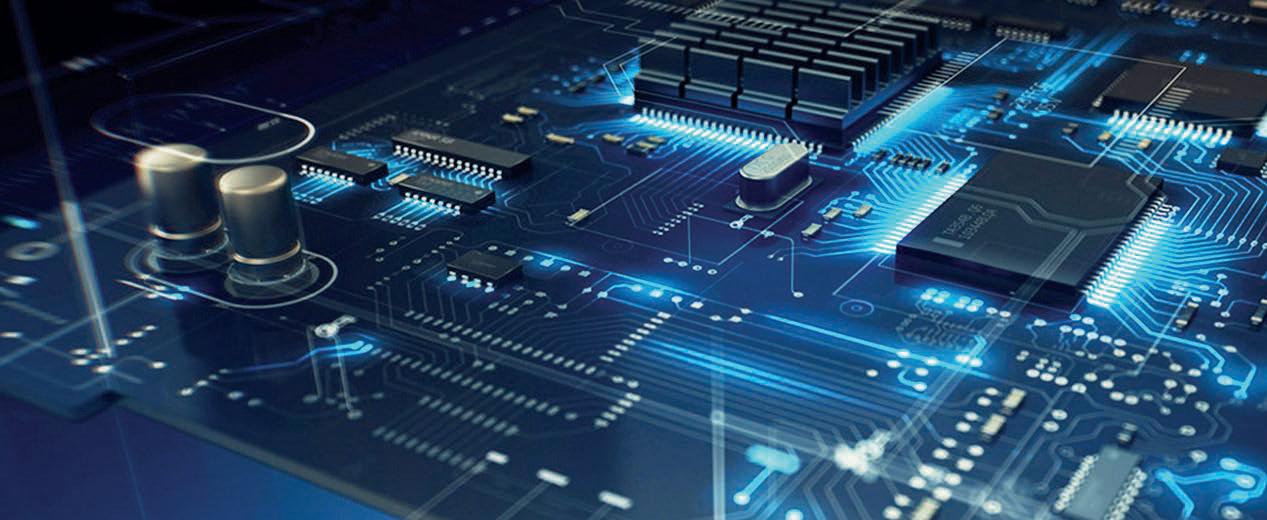
At the heart of every well developed embedded solution, a well tested, validated, and consolidated embedded operating system offers scalability, security, and good overall software quality. In this article, Pedro helps you determine which type of embedded OS—real time or general purpose (embedded Linux)—is the best for various solutions, based on how their respective features, differences, and use cases align with needs.
Embedded systems play a pivotal role in modern technology, forming the backbone of countless devices and applications. Devices ranging from common wearable fitness trackers to complex industrial automation controllers contain embedded systems that require robust and well developed embedded software to function seamlessly.
To offer scalability, security, and good overall software quality, at the heart of a well developed embedded software is a well tested, validated, and consolidated embedded operating system (OS), which manages hardware resources, executes tasks, and ensures system reliability.
Selecting the right embedded OS for a given solution is one of the most critical decisions to be made, since it directly affects the solution’s performance, scalability, and long-term maintainability. This article aims to help you make an informed decision, by delving into the core aspects of embedded operating systems, and guiding you through their features, differences, and use cases.
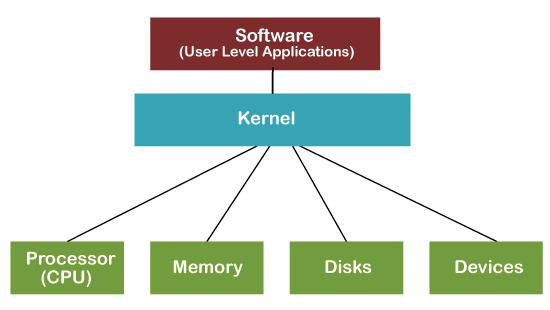 OVERVIEW OF AN EMBEDDED OPERATING SYSTEM

यह कहानी Circuit Cellar के April 2025 संस्करण से ली गई है।
हजारों चुनिंदा प्रीमियम कहानियों और 10,000 से अधिक पत्रिकाओं और समाचार पत्रों तक पहुंचने के लिए मैगज़्टर गोल्ड की सदस्यता लें।
क्या आप पहले से ही ग्राहक हैं? साइन इन करें
Circuit Cellar से और कहानियाँ
Circuit Cellar
Mesh for Embedded Control
Mesh Networks Are Rewiring Embedded Systems

11 mins
March 2026

Circuit Cellar
A System That Detects, Tracks, and Deters Deer
Using Computer Vision, an Arduino, and a Raspberry Pi 5
14 mins
March 2026

Circuit Cellar
Analog Meets Digital
Part 4: Eliminating Mains Interference with an ADC
19 mins
March 2026

Circuit Cellar
Datasheet: Linux-Based SBCs
SBCs Running Linux Bring Enterprise Power to the Network's Edge
8 mins
March 2026
Circuit Cellar
Running Model Trains Without Human Input
A Raspberry Pi Pico Controls Two Trains
9 mins
March 2026

Circuit Cellar
Inside the Tech: E-Bikes Explained
The Future of Product Developement Nature
5 mins
March 2026

Circuit Cellar
Connector Requirements for High-Voltage Healthcare Applications
Simplifying Safety and Security
9 mins
March 2026
Circuit Cellar
PIC32CM PL10 MCUs Expand Microchip's ARM Cortex-MO+ Portfolio
Building on decades of experience, Microchip Technology has added PIC32CM PL10 MCUs to its PIC32C family of ARM Cortex-M0+ core devices. PL10 MCUs feature a rich set of Core Independent Peripherals (CIPs), 5V operation, touch capabilities, integrated toolsets and safety compliance.
1 mins
March 2026

Circuit Cellar
From Buffer Overflows to Control Flow Attacks
This article extends the January 2026 article by showing a buffer overflow attack that changes a return value. I also discuss the use of the GCC stack protection feature, and demonstrate that it's not always a bulletproof protection method, even if it is better than doing nothing.
7 mins
March 2026
Circuit Cellar
Another Matter-Enabled MCU: the ESP32-C6
The list of MCUs that support the Matter protocol continues to get longer. In this column, Brian goes in-depth on one of the newer Matter-enabled MCUs and shows just how it compares to some of the alternatives now on the market.
21 mins
March 2026
Listen
Translate
Change font size