
मैगज़्टर गोल्ड के साथ असीमित हो जाओ
10,000 से अधिक पत्रिकाओं, समाचार पत्रों और प्रीमियम कहानियों तक असीमित पहुंच प्राप्त करें सिर्फ
कोशिश गोल्ड - मुक्त
EMPIRE ON THE BRINK
BBC History UK
|November 2023
In September 1923, the British empire reached its maximum territorial extent. A staggering 460 million people lived within its borders. Yet just as the imperial project reached its apex, writes Matthew Parker, cracks were widening...

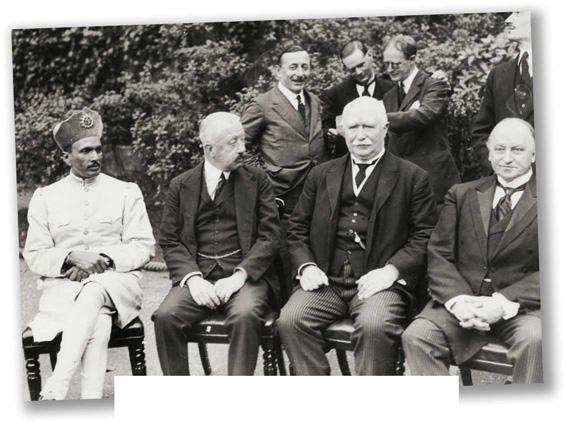
Hubris permeated the London air in late September 1923. The leaders of the British Dominions – the largely self-governing ‘white settler’ colonies – had arrived in London for the Imperial Conference. It was convened to debate how foreign policy would be determined across the various territories. But it was also a celebration of continuing imperial expansion.
South African prime minister Jan Smuts expressed his delight that the British gains from Germany had at last created an ‘all-red’ route from the Cape to Cairo. The empire, he declared, had “emerged from the awful blizzard of the war quite the greatest power in the world”. Prime minister Stanley Baldwin’s foreign secretary, former Viceroy of India Lord Curzon, agreed, declaring that: “The British flag has never flown over a more powerful empire.”
They were right. The collapse of the rival empires of Russia, Germany, Austro-Hungary and the Ottomans, and the retreat into isolation of the US, had left the British empire the sole global superpower. And on 29 September 1923, as Dominion leaders arrived for the conference, the Palestine Mandate became law, bringing Palestine and Transjordan under British administration – and the British empire reached what would prove to be its maximum territorial extent. Some 460 million people – a fifth of the world’s population – woke that morning as subjects of Britain’s king-emperor, George V. This dwarfed the populations of the US (112 million), Soviet Union (135 million) and the French empire (93 million).

यह कहानी BBC History UK के November 2023 संस्करण से ली गई है।
हजारों चुनिंदा प्रीमियम कहानियों और 10,000 से अधिक पत्रिकाओं और समाचार पत्रों तक पहुंचने के लिए मैगज़्टर गोल्ड की सदस्यता लें।
क्या आप पहले से ही ग्राहक हैं? साइन इन करें
BBC History UK से और कहानियाँ

History Extra
Personal stories
Few shows have enjoyed the longevity of Who Do You Think You Are? and it's easy to understand why it has endured.

1 min
June 2026

History Extra
Tidal change
Southern mythos notwithstanding, there exists no static, exceptional American South.
1 mins
June 2026

History Extra
Marriage story
Emily Howes on her novel about Catherine Dickens' relationship with her famous husband
1 mins
June 2026
History Extra
Sexual her-story
A witty, wide-ranging account of the myths and power structures behind female sexuality impresses SARAH JONES
2 mins
June 2026

History Extra
History man
According to Tom Hanks, during his childhood 'The War' was a recurring topic in the conversations of the adults around him.
1 min
June 2026
History Extra
How to be a master of disguise
10 do's and don'ts when attending a masquerade
2 mins
June 2026
History Extra
Age of indulgence
Our content producer Charlotte Vosper picks episodes of the HistoryExtra podcast about Georgian Britain
1 min
June 2026
History Extra
Gaffer tape
While Bobby Robson and Gareth Southgate both led England to World Cup semi-finals, Alf Ramsey remains the only manager to actually win the trophy.
1 mins
June 2026

History Extra
What's the origin of the Fosbury Flop?
Like the Salchow in ice skating, the Fosbury Flop is a sport technique that immortalises the name of its creator.
1 min
June 2026

History Extra
EXHIBITIONS
In 1776, the United States of America was born - heralded by the Declaration of Independence.
1 min
June 2026
Translate
Change font size