कोशिश गोल्ड - मुक्त
WAR OR ECONOMY: WHY IRAN CHOSE NOT TO CLOSE THE STRAIT OF HORMUZ
Logistics & SCM
|July 2025
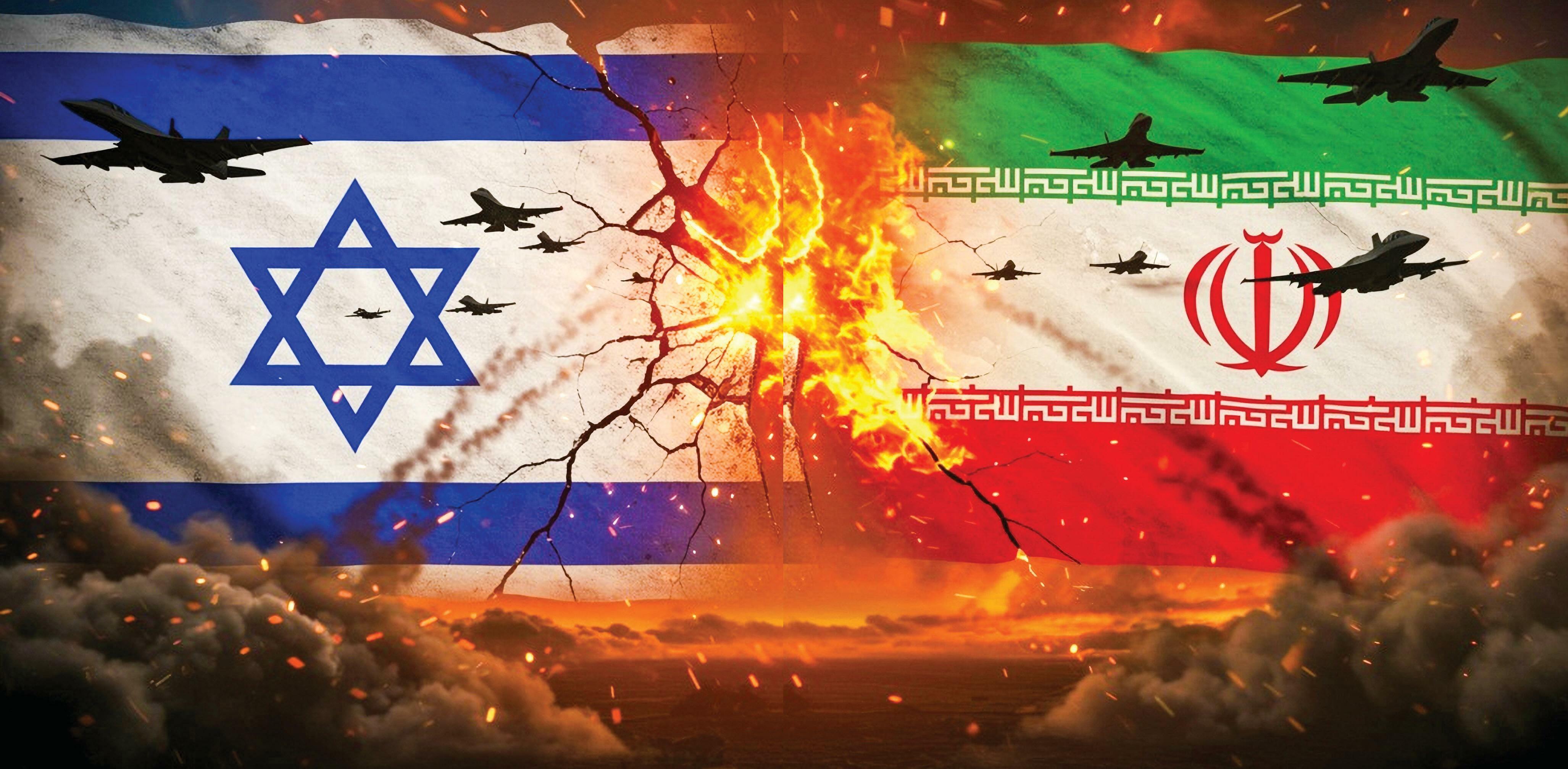
The interplay of war and economy underscores Iran's cautious approach, preserving the Strait as a lifeline rather than a weapon.
The Strait of Hormuz, a narrow waterway between Iran and Oman, is the world's most critical energy chokepoint, facilitating the passage of 20.3 million barrels of oil per day (20 per cent of global supply) and 20 per cent of global liquefied natural gas (LNG) in 2024.
Amid the escalating Israel-Iran conflict in June 2025, marked by Israel's "Operation Rising Lion" and Iran's retaliatory "True Promise 3," speculation swirled that Iran might close the Strait to retaliate against Israeli and US strikes on its nuclear, military, and energy infrastructure.
Both nations closed their airspaces during the conflict's peak, yet the Strait remained open, defying threats and unverified claims on platforms like X about Iran deploying naval mines. However, despite its rhetorical threats and the closure of air routes, a closer examination of the ongoing war reveals a complex interplay of economic imperatives, geopolitical pressures, and strategic decision-making.
RISING REGIONAL TENSIONS
The conflict intensified on June 13, 2025, when Israel launched a large-scale military operation targeting Iran's nuclear facilities (Fordow, Natanz, Isfahan), missile production sites, and energy infrastructure, including the South Pars gas field and Tehran’s oil refinery.
Israeli Prime Minister Benjamin Netanyahu claimed the strikes set back Iran’s nuclear program by years and aimed to cripple its economic lifeline.
Iran retaliated with over 300 ballistic missiles and drones, targeting Israeli military and civilian sites, though most were intercepted by Israel's Iron Dome and US assistance.

यह कहानी Logistics & SCM के July 2025 संस्करण से ली गई है।
हजारों चुनिंदा प्रीमियम कहानियों और 10,000 से अधिक पत्रिकाओं और समाचार पत्रों तक पहुंचने के लिए मैगज़्टर गोल्ड की सदस्यता लें।
क्या आप पहले से ही ग्राहक हैं? साइन इन करें
Logistics & SCM से और कहानियाँ

Logistics & SCM
BEYOND TARIFFS: THE NEW INDIA-US TRADE STORY
Smartphone exports, electronics manufacturing, energy imports, and strategic supply chains are redefining bilateral commerce, pushing trade volumes to record highs while deepening economic interdependence between the world’s two largest democracies.

3 mins
June 2026

Logistics & SCM
Kazipet rail manufacturing unit to produce 200 intercity trains in 5 years
Designed as shuttle-style services, the trains manufactured at the Kazipet rail facility are expected to operate on routes of around 300 km with frequent stoppages.
1 min
June 2026

Logistics & SCM
TATA MOTORS LAUNCHES THE ALL-NEW INTRA V40
The launch strengthens alternate fuel leadership in small commercial vehicles & pickups.
2 mins
June 2026

Logistics & SCM
GreenLine Mobility expands LNG fleet partnership with Tata Steel
GreenLine currently operates over 1,000 LNG- and EV-powered trucks across major freight corridors, serving sectors including steel, cement, mining, FMCG and chemicals.
1 min
June 2026

Logistics & SCM
Yusen Logistics, cargo.one partner to deploy Al-powered operating system
Yusen Logistics has adopted cargo.one's Al-powered platform across its global air freight pricing and procurement operations.
1 min
June 2026

Logistics & SCM
WILL REDUCING FUEL CONSUMPTION SOLVE FOREX RESERVE WOES?
Prime Minister Narendra Modi’s austerity measures may not directly ease supply chain bottlenecks, but they could accelerate the adoption of alternative freight and transportation modes
7 mins
June 2026

Logistics & SCM
BHIWANDI: FROM TEXTILE TOWN TO LOGISTICS TITAN
Bhiwandi has become the backbone of western India’s supply chains, attracting major investments and positioning Maharashtra as a global warehousing hub, though continued growth will depend on stronger infrastructure and multimodal connectivity.
9 mins
June 2026

Logistics & SCM
BUILDING RESILIENT SUPPLY CHAIN
An interview with Kalyan Dutta, Head Procurement, Zeon Lifesciences
7 mins
June 2026

Logistics & SCM
Kazipet rail manufacturing unit to produce 200 intercity trains in 5 years
Designed as shuttle-style services, the trains manufactured at the Kazipet rail facility are expected to operate on routes of around 300 km with frequent stoppages.
1 min
June 2026

Logistics & SCM
RED SEA CRISIS: LESSONS IN SUPPLY CHAIN RESILIENCE
For decades, global shipping was guided by a simple assumption: the most efficient route would remain the preferred route.
2 mins
June 2026
Listen
Translate
Change font size