कोशिश गोल्ड - मुक्त
ALL YOU EVER NEEDED TO KNOW ABOUT Wolves
BBC Wildlife
|February 2025
WOLVES ARE THE LARGEST members of the dog family (Canidae) and can be found in Europe, Asia, North America and Africa. They are highly sociable mammals that typically travel and hunt in packs.
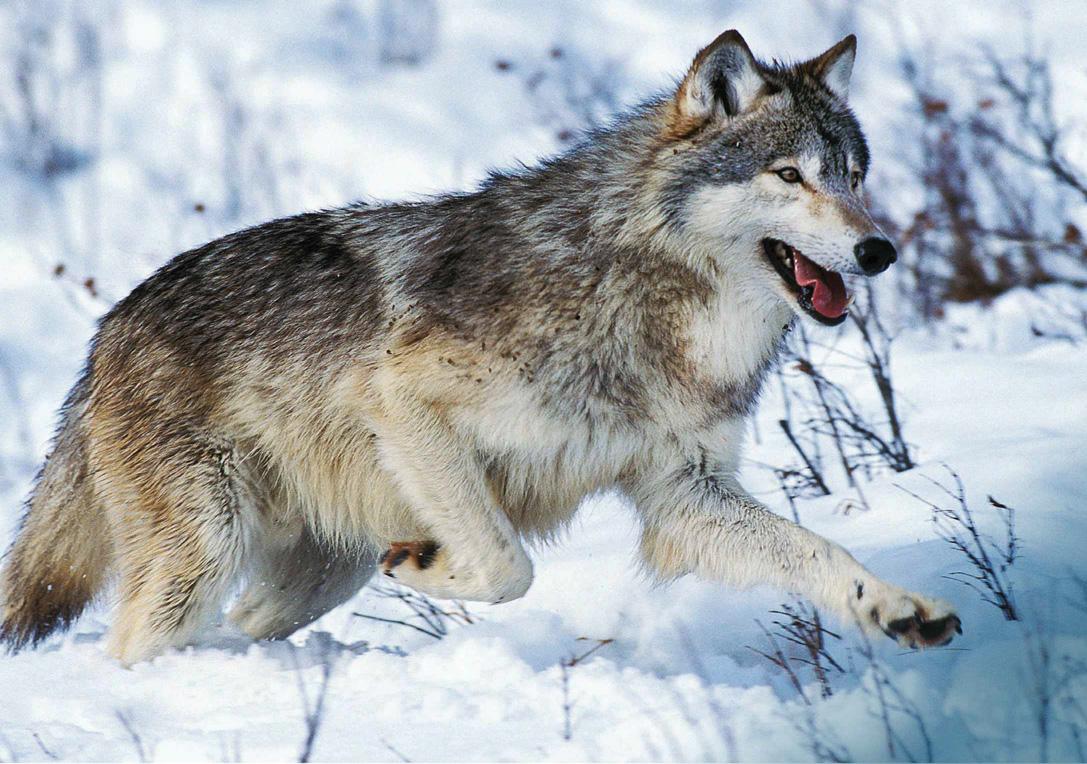
These apex predators are a keystone species because they encourage biodiversity and support ecosystems by keeping prey numbers under control. Wolves live in a variety of habitats, including forests, shrublands, wetlands, grasslands, rocky areas and deserts.
What do wolves eat?
These carnivores occur primarily but not exclusively in wilderness and remote areas where there is suitable food. Unsurprisingly, there are usually more wolves where there is more to eat. The wolves' diet mainly consists of large ungulates such as moose, caribou, deer and wild boar, but they are also known to catch smaller mammals. Wolves will also consume livestock, carrion and rubbish.
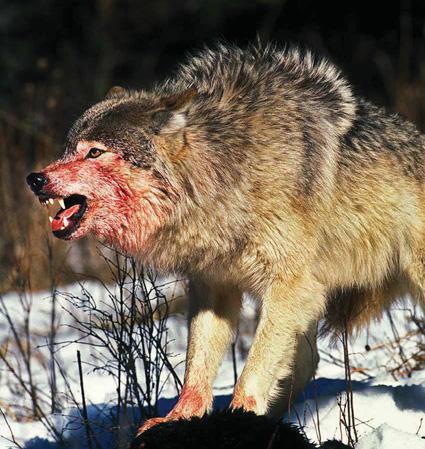 How do wolves hunt?
 Wolves hunt large mammals in packs, outrunning and exhausting their targets: the young, old, injured or sick are often selected. They attack prey by biting the flanks, legs or throat to immobilise it. Higher-ranking members of the pack feed first, followed by the rest. When wolves hunt smaller animals, they tend to hunt alone and rely on stalking and pouncing.
How many species of wolf are there?

यह कहानी BBC Wildlife के February 2025 संस्करण से ली गई है।
हजारों चुनिंदा प्रीमियम कहानियों और 10,000 से अधिक पत्रिकाओं और समाचार पत्रों तक पहुंचने के लिए मैगज़्टर गोल्ड की सदस्यता लें।
क्या आप पहले से ही ग्राहक हैं? साइन इन करें
BBC Wildlife से और कहानियाँ
BBC Wildlife
Animal welfare
FURTHER TO EM GENOVESE'S LETTER (Your Letters, Spring 2026), I would like to signpost the charity Wild Welfare to readers.

2 mins
May 2026
BBC Wildlife
"The hooves pounded up the trail behind us"
Moose in Colorado
3 mins
May 2026

BBC Wildlife
SEAGRASS SAVIOURS
Sometimes, saving the planet requires a bright idea, some practical know-how and a bit of tinkering
6 mins
May 2026
BBC Wildlife
WALL TO WILD
After the fall of the Berlin Wall, reunified Germany became a new landscape not only for people, but for wildlife too 'M SITTING IN A FOREST IN Brandenburg, northeast Germany, looking over a large clearing.
7 mins
May 2026

BBC Wildlife
SNAP-CHAT
Samuel Bloch on wild horses, crazy capercaillies and sleeping on the job
2 mins
May 2026
BBC Wildlife
Old trees key to resilience
Study finds mature trees trump youthful ones
1 min
May 2026
BBC Wildlife
ONE STEP BEYOND
There's a lot more to these quirky seabirds than their eye-catching limbs
2 mins
May 2026
BBC Wildlife
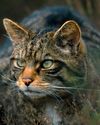
RETURN OF A LEGEND
Once teetering on the very brink of extinction, the elusive Scottish wildcat is prowling the Highlands once more, thanks to a bit of help
7 mins
May 2026

BBC Wildlife
Urban scavengers help curb carbon
New study reveals the extent of emissions saved as city animals feast on food waste
2 mins
May 2026
BBC Wildlife
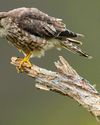
Merlin on the brink
The diminutive raptor is one of many species facing extinction in Britain, suggests new report
1 mins
May 2026
Listen
Translate
Change font size