
मैगज़्टर गोल्ड के साथ असीमित हो जाओ
10,000 से अधिक पत्रिकाओं, समाचार पत्रों और प्रीमियम कहानियों तक असीमित पहुंच प्राप्त करें सिर्फ
See It, Save It? - Wildlife tourism can be a powerful ally in protecting nature - but it can also harm it. We weigh up the pros and cons.
BBC Wildlife
|November 2024
The sums of wildlife travel aren’t as simple as more tourists equals happier nature. How much did my visit really contribute to the conservation of Lady Liuwa and her habitat – and was that outweighed by carbon emissions from my flights? Did my presence disturb the animals’ natural behaviour more than it reduced the threat of poaching or benefited local communities?The question of whether wildlife travel is, on balance, good for wildlife is a complex one – and there’s no simple answer.
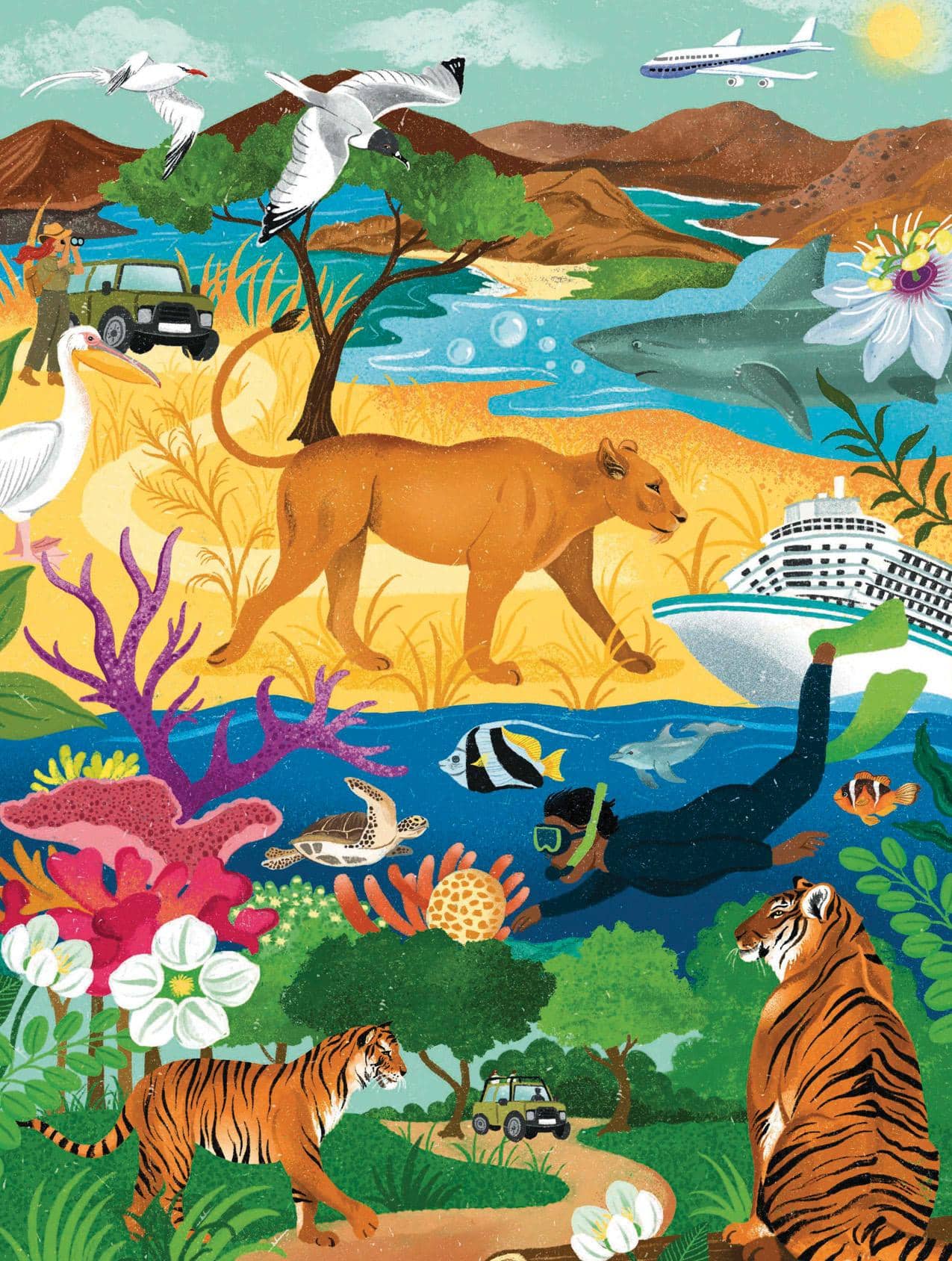
I smelled lady liuwa before i saw her. To be more accurate, I smelled the remnants of her dinner – a wildebeest reduced to a fly-blown pile of flesh, fur, horns and hooves. From the safety of my four-wheel drive, my gaze met those of the culprits lounging in the shade of a snake bean tree: one, two, three pairs of amber leonine eyes.
Any such sighting is precious. Africa’s lions now number probably fewer than 25,000, hit by loss of habitat and prey, human-wildlife conflict and other threats. But in Liuwa Plain National Park back in 2012, when I enjoyed that aromatic encounter, it was even more remarkable. For many years the female dubbed Lady Liuwa had been alone. Then, after non-profit conservation organisation African Parks took on management two decades ago, lions were translocated in, boosting numbers to 24.
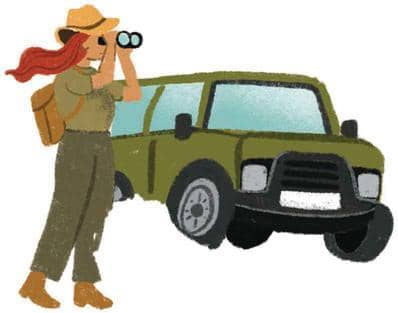
Another population is gradually swelling in Liuwa: tourists. That’s part of the economic equation calculated by African Parks, which currently manages 22 protected areas in 12 countries: multiply tourism to provide sustainable funding for large-scale conservation work.
Of course, the sums of wildlife travel aren’t as simple as more tourists equals happier nature. How much did my visit really contribute to the conservation of Lady Liuwa and her habitat – and was that outweighed by carbon emissions from my flights? Did my presence disturb the animals’ natural behaviour more than it reduced the threat of poaching or benefited local communities?
The question of whether wildlife travel is, on balance, good for wildlife is a complex one – and there’s no simple answer.

यह कहानी BBC Wildlife के November 2024 संस्करण से ली गई है।
हजारों चुनिंदा प्रीमियम कहानियों और 10,000 से अधिक पत्रिकाओं और समाचार पत्रों तक पहुंचने के लिए मैगज़्टर गोल्ड की सदस्यता लें।
क्या आप पहले से ही ग्राहक हैं? साइन इन करें
BBC Wildlife से और कहानियाँ
BBC Wildlife
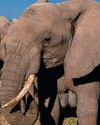
"I was terrified the elephant would ram us"
African elephant in Kenya

2 mins
January 2026
BBC Wildlife
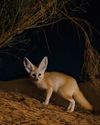
ALL YOU EVER NEEDED TO KNOW ABOUT THE Fennec fox
THE FENNEC FOX IS THE SMALLEST fox in the world, with a body length that can be as little as 24cm.
3 mins
January 2026

BBC Wildlife
INTO THE PLASTISPHERE
A unique synthetic ecosystem is evolving in our oceans – welcome to the plastisphere
7 mins
January 2026
BBC Wildlife
“More than half of all animal life exists in a parasitic relationship, and all life lives in symbiosis”
Our survival depends on species evolving to live together - but some relationships take dark turns
7 mins
January 2026
BBC Wildlife
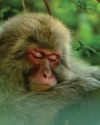
Are animals able to dream?
SLEEP IS A MYSTERIOUS THING. FOR A long time, we weren't sure why we do it.
1 mins
January 2026
BBC Wildlife
Does a cuckoo know it's a cuckoo?
ABSURD LITTLE BIRDS ACROSS THE world lay their eggs in the nests of other species, leaving the hapless parents to raise a changeling at the expense of their own offspring.
2 mins
January 2026
BBC Wildlife
Orcas killing young sharks
Juvenile great whites are easy prey for orca pod
1 mins
January 2026
BBC Wildlife
Ocean goes on tour
Acclaimed film touring the UK, backed by live orchestra and choir
1 min
January 2026
BBC Wildlife
Feisty bats hunt like lions
Winged mammals use a 'hang and wait' strategy to take down large prey
1 mins
January 2026

BBC Wildlife
SNAP-CHAT
Richard Birchett on magical merlins, wily coyotes and charging deer
2 mins
January 2026
Listen
Translate
Change font size