कोशिश गोल्ड - मुक्त
Karanpura Must Live
Sanctuary Asia
|August 2017
The story of a campaign to save a landscape

Bulu Imam knew, well before it was accepted by the world, that coal mining in biodiversity hotspots was not just unsustainable, but downright dangerous. He spoke of water shortages and climate effects long before scientists raised their global alarms. After a lifetime of battling the dismal ones, principally led by the World Bank and its camp followers, he has now dedicated his life to documenting the truth behind the subterfuge that allowed, indeed encouraged, profiteers to pillage India’s life-support infrastructures… lakes, aquifers, wetlands, rivers, grasslands and forests.
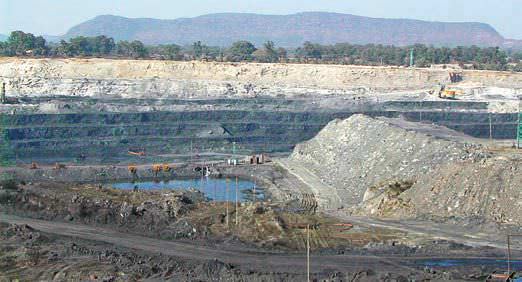
As I recall it was no less dramatic when I walked across the Bachhra opencast coal mine between the quaint Anglo-Indian town of McCluskiegunj and Hendegir on the Damodar river in the shadow of the North Karanpura ranges with the elephant Tara and British travel writer, Mark Shand, at the end of the rainy season of 1987. Little did I know then that the North Karanpura Opencast Coalfields Project was going to be responsible for similar mines like this across my beloved valley of the Damodar river, where I had roamed since my boyhood days and later chased notorious rogue elephants.
One day as I was sitting in my office at my desk, my maternal uncle, Bishop George Saupin S. J., who was then Bishop of Hazaribagh and Daltongunj, tapped on my shoulder and said, “Laddie, have you heard about the North Karanpura opencast coal mines project?” I had just started the INTACH Chapter in Hazaribagh that year (1987). I soon learnt how relatives of a Jesuit priest in Hazaribagh had obtained information regarding coal in the Damodar river valley and through intermediaries, had engineered a deal between an Australian mining company and the government of India.

यह कहानी Sanctuary Asia के August 2017 संस्करण से ली गई है।
हजारों चुनिंदा प्रीमियम कहानियों और 10,000 से अधिक पत्रिकाओं और समाचार पत्रों तक पहुंचने के लिए मैगज़्टर गोल्ड की सदस्यता लें।
क्या आप पहले से ही ग्राहक हैं? साइन इन करें
Sanctuary Asia से और कहानियाँ

Sanctuary Asia
Why Children Are Needed To Help Save The World
On my very first day in India, I encountered many marvelous new customs not practiced in the United States, my home country. But the most curious by far involved trees. Here and there, alongside the roaring streets of Mumbai were rings of marigold wreathed around twisting banyan trunks like dried rays of afternoon sunlight…

2 mins
September 2019

Sanctuary Asia
Who's Who?
Fact: all toads are frogs, but not all frogs are toads! Let’s unpack this...
1 mins
September 2019

Sanctuary Asia
The Sea Raptor
The White-bellied Sea Eagle Haliaeetus leucogaster is one of the most common raptors along the Indian coastline. Nevertheless, the sight of this soaring, broad-winged, white and black bird of prey is nothing less than majestic
2 mins
September 2019

Sanctuary Asia
Bringing Up Bob Hoots.
While we were visiting a friend’s farm in the village of Yelachetty, near Bandipur Tiger Reserve, we found Spotted Owlets nesting on the tiled roof… and one of the chicks on the kitchen floor!
2 mins
September 2019

Sanctuary Asia
World Scan
CHINA’S IVORY TOWNAn explosive investigation by the Environmental Investigation Agency has revealed how criminal gangs originating from an obscure town in southern China have come to dominate the smuggling of ivory tusks poached from African elephants.
3 mins
August 2017

Sanctuary Asia
Karanpura Must Live
The story of a campaign to save a landscape
16 mins
August 2017

Sanctuary Asia
Meet Erik Solheim
Environmental champion, politician, climate and peace negotiator
6 mins
August 2017

Sanctuary Asia
Bats in the land of Hornbills
“Bamboo bat!” My eyes gleamed when I heard that and I rushed for the bats, which were hanging in cloth bags.
6 mins
August 2017

Sanctuary Asia
Conservation Photography
As a precursor to the Sanctuary Wildlife Photography Awards 2017, a reminder that a ‘picture can save a thousand lives’. Details at www.sanctuaryasia.com.
1 min
August 2017

Sanctuary Asia
Stop The Killer Highway Through Corbett
Even as conservationists in Assam try to minimise wild animal roadkills on NH-37, a highway that obstructs the movement of wildlife from the flooded Kaziranga National Park to the safety of the KarbiAnglong hills… across the country, another killer highway has been foisted on us by the state of Uttarakhand.
2 mins
August 2017
Translate
Change font size