कोशिश गोल्ड - मुक्त
THE DAY THE DINOSAURS DIED
BBC Science Focus
|May 2022
New BBC documentary, Dinosaurs: The Final Day, presented by Sir David Attenborough, digs into a fossil site that may have recorded the moment an asteroid wiped out almost all life on Earth. Holly Spanner met with Robert DePalma, one of the palaeontologists at the site, to find out more about the significance of this discovery...

YOU’VE BEEN WORKING AT TANIS, A TOP-SECRET FOSSIL LOCATION IN NORTH DAKOTA. WHEN WAS THIS SITE LAID DOWN?
We worked out the site was deposited during the fallout of coarse ejecta material [debris] from an asteroid impact. To give it probably the broadest span possible, we can say the site is constrained [dated] to the first one to two hours [after asteroid impact], maximum, because that’s how long ejecta would have been falling for.
HAVE YOU FOUND ANY OTHER EVIDENCE THAT THIS SITE WAS CREATED RIGHT AFTER THE ASTEROID IMPACT?
We have constrained the site in multiple different ways, using plants, pollen, marine dinoflagellates and different organisms. In addition to that, we have physics. When the asteroid hit, material was thrown out of the crater [as vaporised and molten rock] and out of the atmosphere, where it cooled and solidified, then fell back to Earth in a rain of glowing glass droplets, or spherules. These spherules would have started to arrive at Tanis tens of minutes after impact, raining down for around an hour, two at most. The impact glass has been radiometrically dated, and it dates to the very end of the Cretaceous. Basically, it correlates exactly with the Chicxulub impact event [the moment the asteroid that wiped out the dinosaurs hit Earth in Mexico].
WHAT IS THE SIGNIFICANCE OF THE SPHERULES?
You’re dealing with stuff that was molten by the impact, and they therefore contain contamination from the impactor itself.


यह कहानी BBC Science Focus के May 2022 संस्करण से ली गई है।
हजारों चुनिंदा प्रीमियम कहानियों और 10,000 से अधिक पत्रिकाओं और समाचार पत्रों तक पहुंचने के लिए मैगज़्टर गोल्ड की सदस्यता लें।
क्या आप पहले से ही ग्राहक हैं? साइन इन करें
BBC Science Focus से और कहानियाँ

BBC Science Focus
DOES MY DOG HAVE ADHD?
Officially, Attention-Deficit Hyperactivity Disorder (ADHD) is a human condition. People are diagnosed with it. Dogs are not. Yet many of its core features, including hyperactivity, impulsivity and distractibility, can be found in dogs.

1 min
March 2026

BBC Science Focus
DOES MY BRAIN LIVE A LITTLE IN THE PAST?
Yes, your brain does live a little in the past. It can't help it. The information it receives via your senses is always a little out of date. Whether it's light entering the retinas in your eyes, or sounds vibrating the hairs in your ears, it not only takes time for the data to arrive, but your brain then has to process it.
2 mins
March 2026
BBC Science Focus
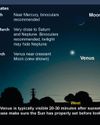
ASTRONOMY FOR BEGINNERS
RETURN OF THE EVENING STAR (VENUS)
1 mins
March 2026

BBC Science Focus
CAN YOU STOP YOUR SENSE OF TASTE DULLING AS YOU AGE?
Sometimes I hear people say that food just doesn't taste the same as they get older. It's tempting to blame this on age, but there are other factors at play, too.
1 mins
March 2026
BBC Science Focus
MICROBIOMES OF THE SUPERAGERS
BY STUDYING THE INCREASING NUMBER OF PEOPLE WHO ARE LIVING BEYOND THEIR 100TH BIRTHDAYS, SCIENTISTS ARE DISCOVERING THAT THE SECRET TO REACHING A RIPE OLD AGE IN RUDE HEALTH MIGHT LIE IN OUR GUTS
8 mins
March 2026

BBC Science Focus
HOW BIG WERE MEDIEVAL WAR HORSES?
You might picture knights charging into battle on towering steeds, but medieval horses were typically no bigger than modern-day ponies.
1 min
March 2026

BBC Science Focus
FORCES OF HABIT
Could new research on setting up healthy habits resuscitate those stuttering New Year resolutions?
3 mins
March 2026

BBC Science Focus
5 DANGERS HIDING IN YOUR PROCESSED FOOD
We all know that ultra-processed foods are bad for us, but what ingredients should we particularly try to avoid? And what are they doing to our bodies?
9 mins
March 2026
BBC Science Focus
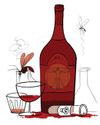
Mosquitoes are becoming thirstier for human blood
Habitat loss may be pushing mosquitoes towards human hosts with deadly consequences
1 mins
March 2026

BBC Science Focus
HOW CAN I GET OVER MY EX?
Relationship breakups can be brutal, just look at the popularity of songs like 'Someone Like You' by Adele, or all the covers of 'Cry Me a River' by Julie London.
1 mins
March 2026
Translate
Change font size