कोशिश गोल्ड - मुक्त
THE STRESS TEST
BBC Focus - Science & Technology
|October 2020
WHAT IF MEASURING YOUR WELLBEING WAS AS SIMPLE AS TAKING YOUR TEMPERATURE? SCIENTISTS ARE TESTING OUT HEART RATE VARIABILITY, TO SEE WHAT IT CAN TELL US ABOUT OUR MENTAL HEALTH…

Before COVID-19, loneliness was considered a national epidemic, and as bad for you as smoking 15 cigarettes a day. But by the middle of June this year, social isolation had become the ‘new normal’ for more of us, with 7.4 million British people having experienced ‘lockdown loneliness’, according to the Office for National Statistics. The knock-on effects that stress and loneliness could be having on our physical health are potentially vast, although they can be hard to spot when we’re in the thick of challenging times. A panic attack is relatively easy to identify, but the slow and steady creep of rising blood pressure or inflammation is less obvious.
Step forward, a little-known health marker called heart rate variability (HRV). HRV is a measure of the degree of variation in time between heartbeats. Greater variation means we’re in a good place – resilient, in control of our emotions and ready for anything. Lower variation implies we need to prioritise self-care. This stress barometer of sorts can offer a window into the extent to which our mental health is manifesting in our bodies, and help motivate us to minimise our stress levels. HRV monitoring is increasingly offered through wearable devices, and understanding why it is relevant reveals some fascinating pathways between mind and body.

यह कहानी BBC Focus - Science & Technology के October 2020 संस्करण से ली गई है।
हजारों चुनिंदा प्रीमियम कहानियों और 10,000 से अधिक पत्रिकाओं और समाचार पत्रों तक पहुंचने के लिए मैगज़्टर गोल्ड की सदस्यता लें।
क्या आप पहले से ही ग्राहक हैं? साइन इन करें
BBC Focus - Science & Technology से और कहानियाँ

BBC Science Focus
DOES MY DOG HAVE ADHD?
Officially, Attention-Deficit Hyperactivity Disorder (ADHD) is a human condition. People are diagnosed with it. Dogs are not. Yet many of its core features, including hyperactivity, impulsivity and distractibility, can be found in dogs.

1 min
March 2026

BBC Science Focus
DOES MY BRAIN LIVE A LITTLE IN THE PAST?
Yes, your brain does live a little in the past. It can't help it. The information it receives via your senses is always a little out of date. Whether it's light entering the retinas in your eyes, or sounds vibrating the hairs in your ears, it not only takes time for the data to arrive, but your brain then has to process it.
2 mins
March 2026

BBC Science Focus
ASTRONOMY FOR BEGINNERS
RETURN OF THE EVENING STAR (VENUS)
1 mins
March 2026

BBC Science Focus
CAN YOU STOP YOUR SENSE OF TASTE DULLING AS YOU AGE?
Sometimes I hear people say that food just doesn't taste the same as they get older. It's tempting to blame this on age, but there are other factors at play, too.
1 mins
March 2026

BBC Science Focus
MICROBIOMES OF THE SUPERAGERS
BY STUDYING THE INCREASING NUMBER OF PEOPLE WHO ARE LIVING BEYOND THEIR 100TH BIRTHDAYS, SCIENTISTS ARE DISCOVERING THAT THE SECRET TO REACHING A RIPE OLD AGE IN RUDE HEALTH MIGHT LIE IN OUR GUTS
8 mins
March 2026

BBC Science Focus
HOW BIG WERE MEDIEVAL WAR HORSES?
You might picture knights charging into battle on towering steeds, but medieval horses were typically no bigger than modern-day ponies.
1 min
March 2026

BBC Science Focus
FORCES OF HABIT
Could new research on setting up healthy habits resuscitate those stuttering New Year resolutions?
3 mins
March 2026

BBC Science Focus
5 DANGERS HIDING IN YOUR PROCESSED FOOD
We all know that ultra-processed foods are bad for us, but what ingredients should we particularly try to avoid? And what are they doing to our bodies?
9 mins
March 2026
BBC Science Focus
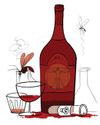
Mosquitoes are becoming thirstier for human blood
Habitat loss may be pushing mosquitoes towards human hosts with deadly consequences
1 mins
March 2026

BBC Science Focus
HOW CAN I GET OVER MY EX?
Relationship breakups can be brutal, just look at the popularity of songs like 'Someone Like You' by Adele, or all the covers of 'Cry Me a River' by Julie London.
1 mins
March 2026
Translate
Change font size