कोशिश गोल्ड - मुक्त
Glucose Monitoring In Diabetes
Diabetes Health
|June - July 2017
Dr Roger Mazze explains why monitoring is indispensible for better managing the glucose levels.
Ambulatory glucose profile explained
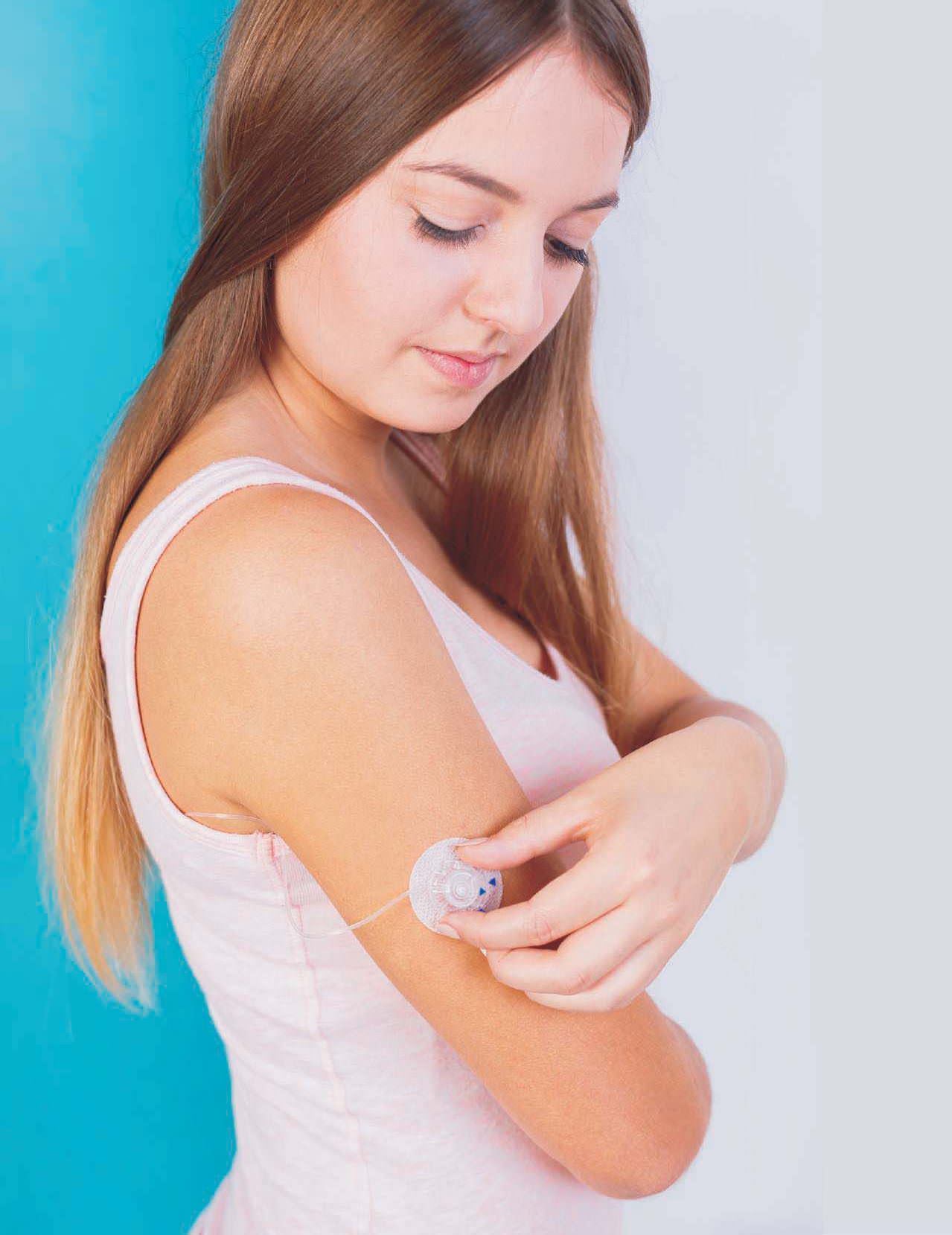
When self-monitoring was first introduced way back in the 1980s, I developed a way of capturing the glucose values and then representing them to find any underlying patterns. However, self-monitoring is done primarily during the day time. It is intermittent and many individuals forget to timely monitor or do so only when they are feeling sick. But the data from Self-monitoring of Blood Glucose (SMBG) does not give a full picture. Continuous Glucose Monitoring (CGM) introduced in 2001 made it possible to take continuous measurements and to find the underlying patterns.
Ambulatory Glucose Profile (AGP) aggregates about two weeks of glucose levels and helps the physician look for patterns that would show hypoglycaemia, excess glucose exposure, significant glucose variability and all the characteristics that help understand the blood sugar trends of a person with Diabetes.
At present, AGP seeks to find ways to use it to quickly detect the problems that a patient might face or better yet, anticipate problems. For instance, since we can now identify the risk of overnight hypoglycaemia, we know that if blood sugar levels are lowered during the day time, the overnight glucose values also have to be recorded. Intervention should involve reducing fluctuation blood glucose levels then improving glucose stability and then manage glucose exposure. This helps prevent hypoglycaemia. Understanding how and why glucose levels fluctuate can help to anticipate and avoid hypoglycaemia.

यह कहानी Diabetes Health के June - July 2017 संस्करण से ली गई है।
हजारों चुनिंदा प्रीमियम कहानियों और 10,000 से अधिक पत्रिकाओं और समाचार पत्रों तक पहुंचने के लिए मैगज़्टर गोल्ड की सदस्यता लें।
क्या आप पहले से ही ग्राहक हैं? साइन इन करें
Translate
Change font size