
मैगज़्टर गोल्ड के साथ असीमित हो जाओ
10,000 से अधिक पत्रिकाओं, समाचार पत्रों और प्रीमियम कहानियों तक असीमित पहुंच प्राप्त करें सिर्फ
GROUSE-MOOR MANAGEMENT: A BURNING ISSUE
The Field
|August 2021
Is controlled rotational burning an important tool to preserve moorland, prevent wildfires and keep carbon in the soil – or should we ‘ban the burn’?

A simple lie beats a complex truth far too often for the future safety of our countryside. The RSPB’s remorseless attacks on grouse moors and rotational heather burning are classic examples. According to them, rotational cool heather burning burns peat, causes floods, destroys biodiversity, drives global warming and is the same as burning tropical rainforest or the lethal and catastrophic wildfires that raged through Australia and California.
None of these assertions – which are easy to make and, coming from RSPB, often believed – is true. However, their refutation takes time and thought, which few people are prepared to give.
Does it matter? Yes, it does. What is at stake is not simply grouse shooting but the survival of our heather moorland, the rare and precious wildlife it supports and the communities of reasonable people whose chosen way of life this threatens to destroy.
Although the RSPB repeatedly refers to grouse moors as ‘industrial landscapes’, nothing could be further from the truth. They are replete with designations: Site of Special Scientific Interest; Special Area of Conservation; Special Protection Area; many have been designated as an Area of Outstanding Natural Beauty or fall into National Parks. They were recognised internationally in the Rio Convention. Crucially, they acquired their designations because they were grouse moors, not despite being grouse moors.
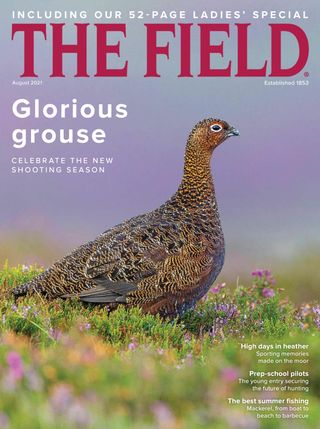

यह कहानी The Field के August 2021 संस्करण से ली गई है।
हजारों चुनिंदा प्रीमियम कहानियों और 10,000 से अधिक पत्रिकाओं और समाचार पत्रों तक पहुंचने के लिए मैगज़्टर गोल्ड की सदस्यता लें।
क्या आप पहले से ही ग्राहक हैं? साइन इन करें
The Field से और कहानियाँ

The Field
The Holland & Holland Edition by Overfinch
This exquisitely detailed bespoke Range Rover is built for the field and showcases the best in fine British craftsmanship

3 mins
January 2026

The Field
Digging into terrier breeds
From the Jack Russell to the Australian to the Czesky, every one of the 27 recognised terrier types is either native British or has British ancestry
3 mins
January 2026

The Field
100 O years of The Browning B25 Superposed
Often imitated but rarely bettered, Browning's B25 Superposed is among the most influential and enduring shotgun designs in gunmaking history
8 mins
January 2026

The Field
A princely pair
Probably built for the Prince of Lobkowicz and dating to 1727, these handsome flintlocks boast both Spanish and Austrian influence
3 mins
January 2026
The Field
Adventure in a bottle
From lively, zingy Sauvignon Blanc to cassis-laden Cabernet Sauvignon, Chilean wine opens the door to a world of incredible value and diversity
3 mins
January 2026

The Field
Patrick Grant
The Great British Sewing Bee judge, former Savile Row tailor and founder of Community Clothing talks to Amanda Morison about nature, scything and sustainable fashion
4 mins
January 2026

The Field
The ultimate winter warmer
An exhilarating day following the Ross Harriers across picture-perfect Herefordshire countryside proves an ideal way to banish the January blues
7 mins
January 2026

The Field
An impact that can only grow
As a landmark report reveals the impressive environmental, social, economic and health benefits of gardening, Ursula Buchan hopes policymakers are taking note
3 mins
January 2026

The Field
'Karamojo Bell'
The last of his kind, elephant hunter Captain Walter Dalrymple Maitland Bell left an indelible mark on African hunting history, says Sir Johnny Scott
4 mins
January 2026

The Field
Deer manager shortage fears
Plans to make deerstalking training mandatory in Scotland risk leaving the country short of deer managers, rural groups have warned.
1 min
January 2026
Translate
Change font size