
मैगज़्टर गोल्ड के साथ असीमित हो जाओ
10,000 से अधिक पत्रिकाओं, समाचार पत्रों और प्रीमियम कहानियों तक असीमित पहुंच प्राप्त करें सिर्फ
कोशिश गोल्ड - मुक्त
RAW WOOL SPINNING
Textile Value Chain
|July 2020
Highlight of the article:The current widespread use and demand for wool is so great that there is little doubt that wool will continue to maintain its position of importance in the fabric industry. Only a major innovation that encompasses the many attributes of wool—including it warmth, durability, and value—could threaten the prominence of this natural fiber.

Today, wool is a global industry, with Australia, Argentina, the United States, and New Zealand serving as the major suppliers of raw wool. While the United States is the largest consumer of wool fabric, Australia is the leading supplier. Australian wool accounts for approximately one-fourth of the world’s production.
What for centuries was a small home-based crafthas grown into a major industry. The annual global output is now estimated at 5.5 billion pounds. Though cotton is the number one plant used for fabrics and the number one fiber overall, the number one source for animal fiber is still wool.
Wool comes from sheep which are generally shorn once a year (some breeds are shorn twice a year, and there’s some sheep that shed their hair naturally like other animals).
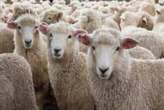
Important wool characteristics are:
• diameter (nowadays mostly measured in micron - that’s one thousandths of a millimeter)
• crimp (the “zig-zagging” of one fibre) - fine wools are generally crimpier than coarse wools
• amount of grease (Merino and its crossbreeds have very greasy fleeces)
• average fibre length (in cm or inch)
• colour
• whether the fleece consists of one kind of fibre (as for most breeds) or whether the sheep is double-coated, i.e. has a fine undercoat and coarse outer hair. That is the case for some “primitive” breeds like Soay, Heidschnucken or Ouessant.

यह कहानी Textile Value Chain के July 2020 संस्करण से ली गई है।
हजारों चुनिंदा प्रीमियम कहानियों और 10,000 से अधिक पत्रिकाओं और समाचार पत्रों तक पहुंचने के लिए मैगज़्टर गोल्ड की सदस्यता लें।
क्या आप पहले से ही ग्राहक हैं? साइन इन करें
Textile Value Chain से और कहानियाँ

Textile Value Chain
The New Age of Men's Tailoring: From Bespoke to Hybrid Models
Part 1 of the Series: The Evolving World of Men's Tailored Wear

4 mins
January 2026

Textile Value Chain
The Textile Landscape of 2025: A Year of Transformation
Navigating Policy Reforms, Trade Agreements, and Global Events
5 mins
January 2026

Textile Value Chain
Recycled Fibres vs Virgin Fibres: The Real Cost, Footprint & Business Opportunity
For decades, the textile industry asked only one question when choosing raw material:
3 mins
January 2026

Textile Value Chain
2025 in Perspective: A Stronger, Cleaner, Smarter Future for Textiles
The year 2025 reminded the textile and apparel sector that resilience now matters more than pace.
5 mins
January 2026

Textile Value Chain
Heimtextil as a Working lab for Sutlej and its Customers
When the global home textiles industry gathers in Frankfurt this January, Sutlej Textiles is approaching Heimtextil with a clear intent: to treat the fair less as a product parade and more as a live development lab with its buyers and partners.
4 mins
January 2026

Textile Value Chain
Weaving Heritage into Future: A Conversation with Ms Roop Rashi Mahapatra
In an era where fast fashion dominates the global textile landscape, Khadi stands as a timeless symbol of India's heritage, sustainability, and self-reliance.
11 mins
January 2026

Textile Value Chain
Home Textiles: Ever-growing Market to Evergreen Product Source
Indian Home textiles have always enjoyed a special market position, and demand continues to increase, capturing a premium to the budgeted market across different markets, but with one constant hunger for extraordinary design, a super comfortable feel, and the appeal of sophistication, along with changing market dynamics.
4 mins
January 2026

Textile Value Chain
The Velvet Revolution: How This Timeless Fabric is Redefining Modern Textiles
When you run your hand across velvet, something happens.
3 mins
January 2026

Textile Value Chain
SPGPrints Achieves Landmark Success at ITMA ASIA 2025 With Transformative Textile Printing Technology and Key Order Closures
SPGPrints, the global leader in innovative textile printing solutions, announced an overwhelmingly successful participation in ITMA ASIA 2025 at the Singapore Expo.
2 mins
January 2026

Textile Value Chain
Development of Home Textile Products from Post-Consumer Textile Waste
With the growing concern over textile waste and its environmental impact, sustainable approaches for fabric reuse are urgently needed.
5 mins
January 2026
Translate
Change font size