कोशिश गोल्ड - मुक्त
A Look At The Most Preferred Materials For Led Light Housings
Electronics Bazaar
|August 2018
The requirement for slim and lightweight LED luminaires has spurred the development of new housing materials. This article gives an overview of the most preferred materials in the fast-moving and diverse field of LED light housings.

The housing for LED lighting performs the simple yet crucial task of covering and securing the internal components of the LED lights. It also acts as a shield that protects the lights from the wear and tear caused by external elements. LED lights generate heat, and the proximity of the housing material to the LED source determines the exact thermal properties of this material. While these lights are highly efficient, they still generate heat, particularly in the case of high powered LED light sources, for which the operating temperature can vary from 80°C to 110°C.
For housing applications that will be in close proximity to the LED source, a material with excellent thermal stability is needed. Also, the material chosen for LED light housings will impact the core benefits of the LEDs. Therefore, the housing material should be chosen judiciously, so that it offers good protection to the internal components, enhances the operating life of the product, keeps the product light, and allows versatile designs while satisfying the UL antiflammability requirements.
While selecting a particular type of housing, the first consideration is the material. The options vary from metallic to a range of engineered plastics. Each offering has different benefits and therefore the choice should be made keeping in view the eventual operating environment. Let’s have a look at some of the housing materials that are popular in the LED industry.
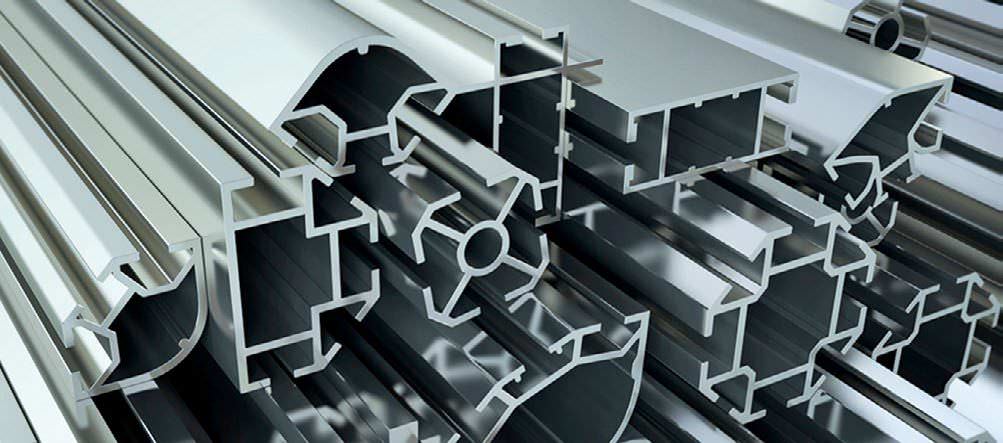
Aluminium extrusions


यह कहानी Electronics Bazaar के August 2018 संस्करण से ली गई है।
हजारों चुनिंदा प्रीमियम कहानियों और 10,000 से अधिक पत्रिकाओं और समाचार पत्रों तक पहुंचने के लिए मैगज़्टर गोल्ड की सदस्यता लें।
क्या आप पहले से ही ग्राहक हैं? साइन इन करें
Translate
Change font size