
मैगज़्टर गोल्ड के साथ असीमित हो जाओ
10,000 से अधिक पत्रिकाओं, समाचार पत्रों और प्रीमियम कहानियों तक असीमित पहुंच प्राप्त करें सिर्फ
CITY LIVING
BBC Wildlife
|May 2022
It's been 50 years since the first city farm was established and their role in providing a haven for nature continues to grow

I'M LOOKING DOWN at giants - a beech tree avenue that is at least 180 years old. The lime green leaves have created a spectacular show, and clusters of bluebells add a seasonal splash of colour. I can just make out the sound of faint tapping and out of the corner of my eye I see a great spotted woodpecker. As I make my way down the steep hillside, a speckled wood butterfly glides in front of me and I catch the excited sounds of a group of children pond-dipping for newts and toads.
Suddenly, the stillness of the spring morning is broken by a train making its way from Bristol to London. I'm wandering the one-mile trail at Bath City Farm and it's a real wildlife treat. One of 50 city farms across the UK, this 37-acre haven is a wonderful example of why these places matter for wildlife in urban landscapes.
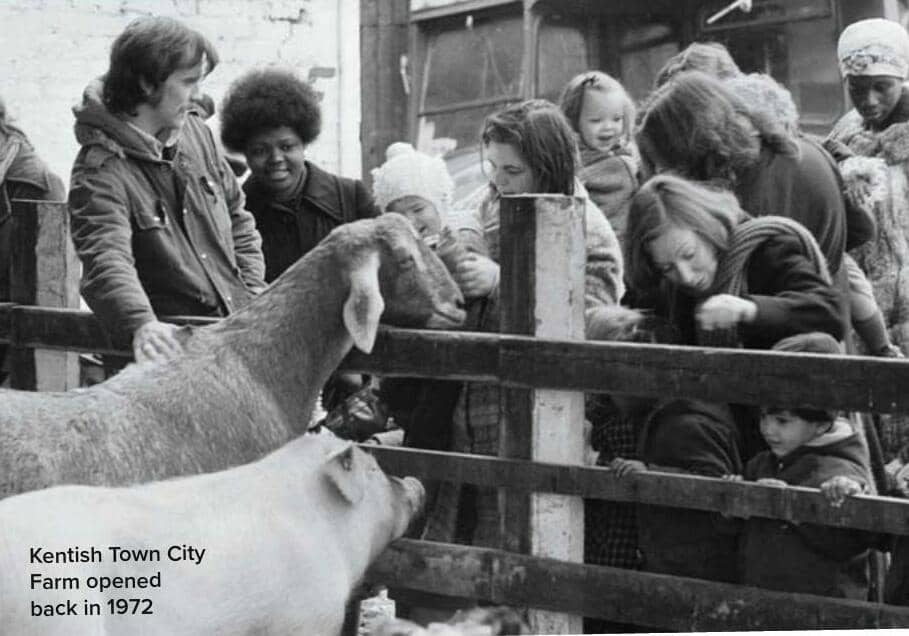
City farms are celebrating their goth anniversary this year. Kentish Town was the first to open its doors, in October 1972. Only 5km as the crow flies from central London, it's squeezed between two railway lines and dense rows of housing in Camden.
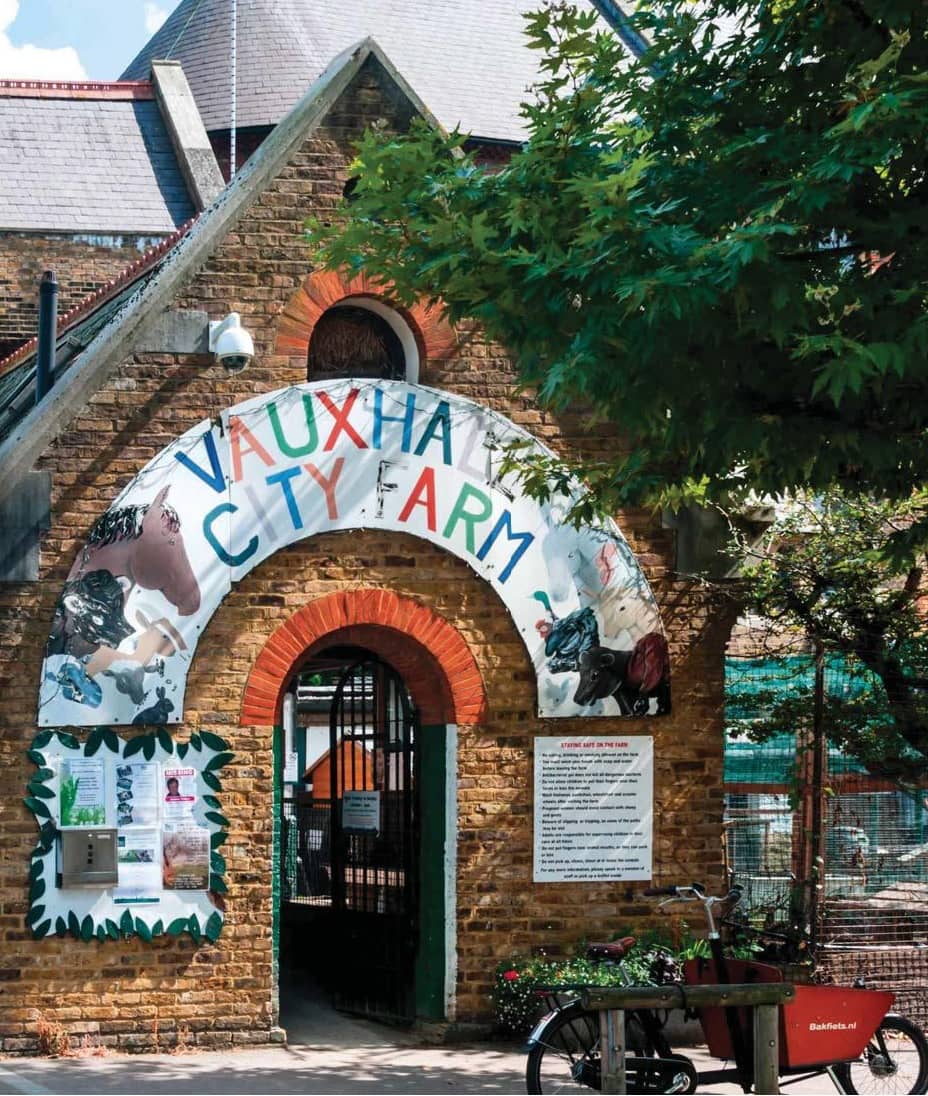
The original idea of a city farm was a simple one: take a small piece of land and use food production and farming as a way to connect communities. Following the founding of Kentish Town, city farms started to pop up all over the UK. Green oases in landscapes of tarmac, concrete, and steel, city farms became places where children who might rarely visit the countryside could see a cow close-up, collect eggs from the hens and connect with nature.
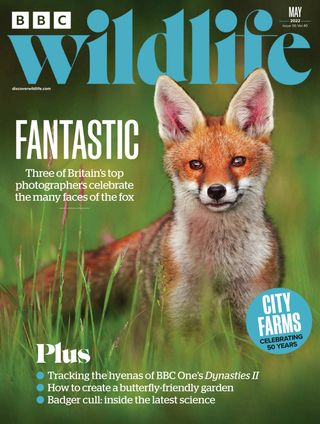

यह कहानी BBC Wildlife के May 2022 संस्करण से ली गई है।
हजारों चुनिंदा प्रीमियम कहानियों और 10,000 से अधिक पत्रिकाओं और समाचार पत्रों तक पहुंचने के लिए मैगज़्टर गोल्ड की सदस्यता लें।
क्या आप पहले से ही ग्राहक हैं? साइन इन करें
BBC Wildlife से और कहानियाँ
BBC Wildlife
"I was terrified the elephant would ram us"
African elephant in Kenya

2 mins
January 2026
BBC Wildlife
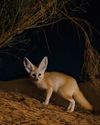
ALL YOU EVER NEEDED TO KNOW ABOUT THE Fennec fox
THE FENNEC FOX IS THE SMALLEST fox in the world, with a body length that can be as little as 24cm.
3 mins
January 2026
BBC Wildlife
INTO THE PLASTISPHERE
A unique synthetic ecosystem is evolving in our oceans – welcome to the plastisphere
7 mins
January 2026
BBC Wildlife
“More than half of all animal life exists in a parasitic relationship, and all life lives in symbiosis”
Our survival depends on species evolving to live together - but some relationships take dark turns
7 mins
January 2026
BBC Wildlife
Are animals able to dream?
SLEEP IS A MYSTERIOUS THING. FOR A long time, we weren't sure why we do it.
1 mins
January 2026
BBC Wildlife
Does a cuckoo know it's a cuckoo?
ABSURD LITTLE BIRDS ACROSS THE world lay their eggs in the nests of other species, leaving the hapless parents to raise a changeling at the expense of their own offspring.
2 mins
January 2026
BBC Wildlife
Orcas killing young sharks
Juvenile great whites are easy prey for orca pod
1 mins
January 2026
BBC Wildlife
Ocean goes on tour
Acclaimed film touring the UK, backed by live orchestra and choir
1 min
January 2026
BBC Wildlife
Feisty bats hunt like lions
Winged mammals use a 'hang and wait' strategy to take down large prey
1 mins
January 2026
BBC Wildlife
SNAP-CHAT
Richard Birchett on magical merlins, wily coyotes and charging deer
2 mins
January 2026
Translate
Change font size