
Passez à l'illimité avec Magzter GOLD
Obtenez un accès illimité à plus de 9 000 magazines, journaux et articles Premium pour seulement
Essayer OR - Gratuit
SELF-REPLICATING PROBES COULD TRANSFORM SOLAR SYSTEM EXPLORATION STUDY SUGGESTS
AppleMagazine
|November 07, 2025
A new theoretical study published this week proposes that self-replicating robotic probes, capable of constructing copies of themselves using materials found on asteroids and moons, could revolutionize the future of solar system exploration.
-
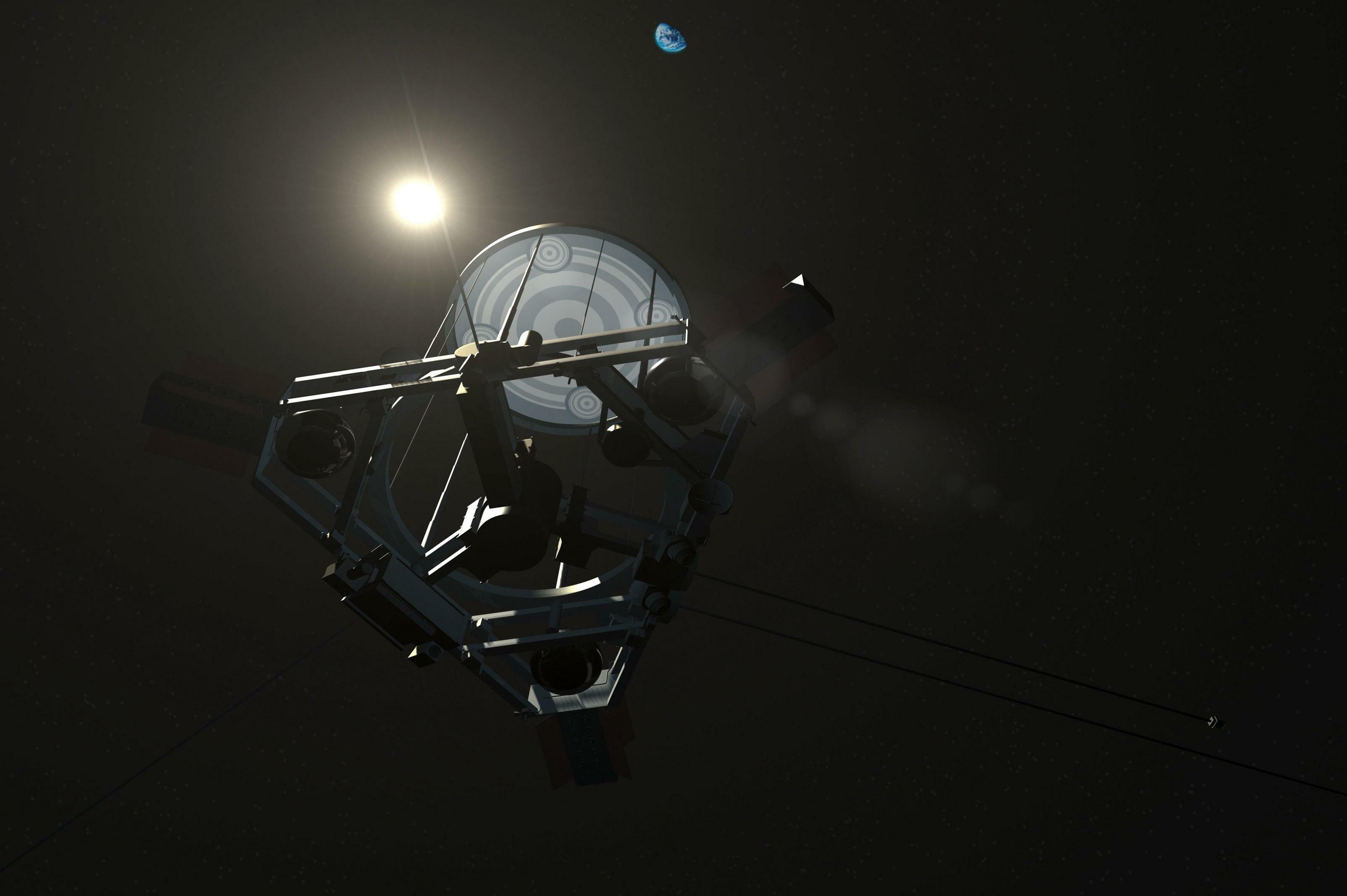
The concept—long discussed in science fiction and advanced propulsion circles—is now being modeled with unprecedented scientific precision, offering a potential blueprint for how humanity might scale space exploration without continuous Earth-based manufacturing.
Researchers from the University of Strathclyde and the European Space Agency (ESA) examined how autonomous machines could extract raw materials, refine metals, and assemble functioning replicas on celestial bodies rich in resources. Their models suggest that with current advances in robotic mining, in-situ resource utilization (ISRU), and Al-driven fabrication, such probes could, within decades, expand exploration exponentially—creating networks of machines that extend from Earth's orbit to the outer solar system.
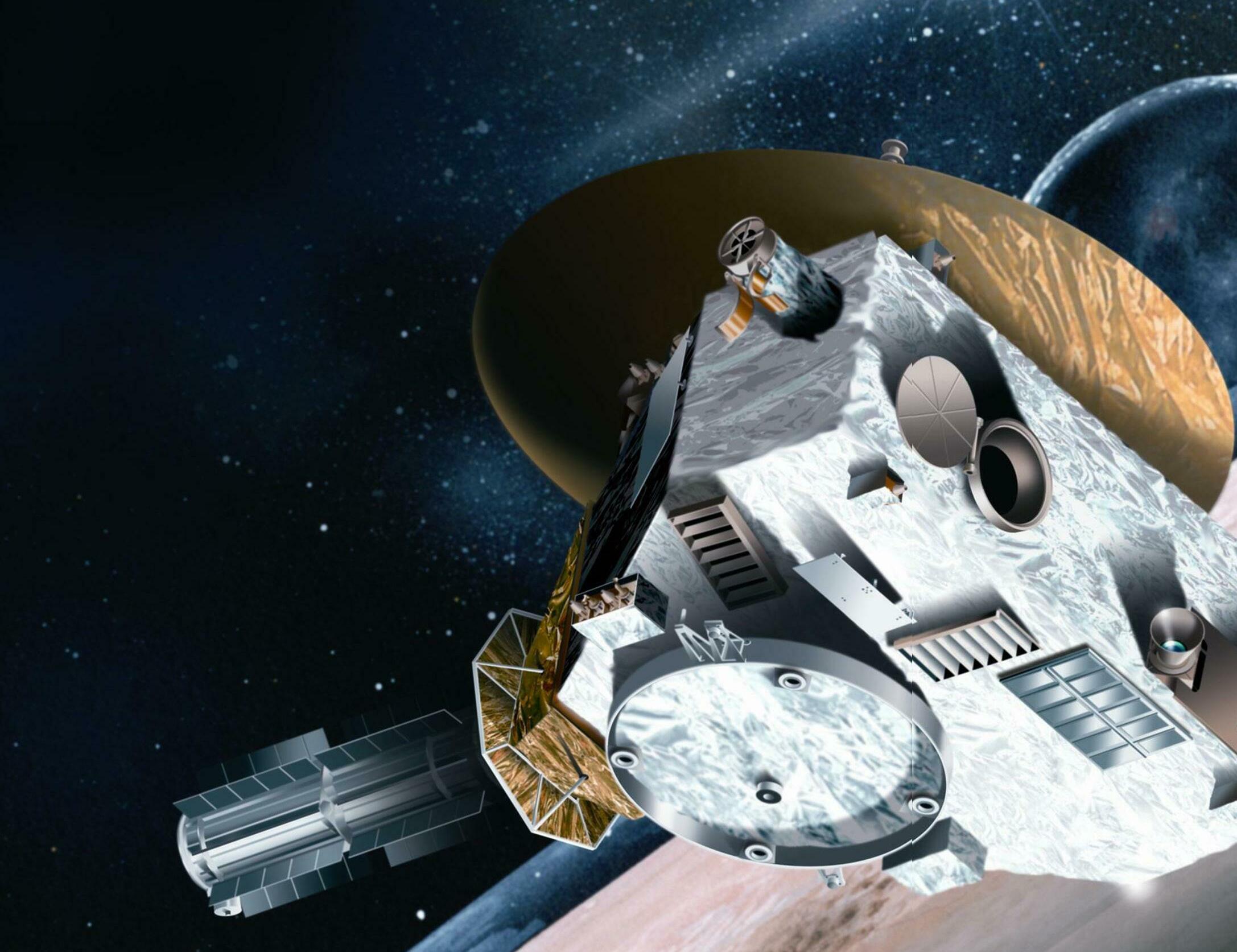 The study builds upon decades of speculative work inspired by Von Neumann probes, a concept first proposed in the 1940s by mathematician John von Neumann. But unlike earlier theoretical versions that relied on hypothetical technologies, the latest research integrates feasible near-term advancements in robotics, additive manufacturing, and energy autonomy.
 FROM THEORY TO NEAR-TERM POSSIBILITY
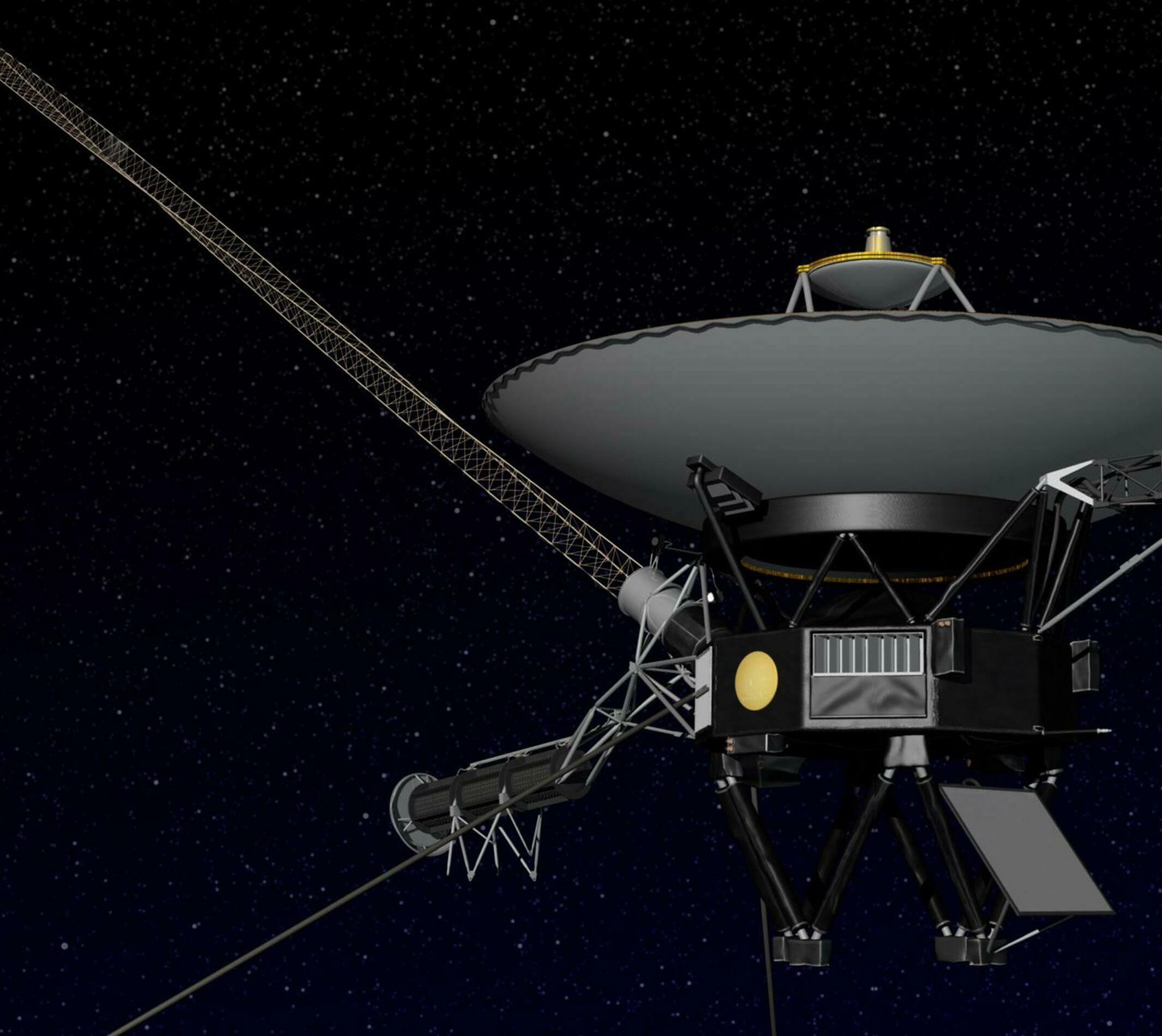
According to the study's lead author, Dr. Stefano Pineda, the technological ingredients for limited self-replication already exist. Modular robotic systems can mine regolith, extract metals, and 3D-print simple structural components. With the addition of Al-guided assembly routines and power supplied by solar arrays, the researchers argue that the first generation of partially self-replicating machines could emerge within the next 30 to 40 years.

Cette histoire est tirée de l'édition November 07, 2025 de AppleMagazine.
Abonnez-vous à Magzter GOLD pour accéder à des milliers d'histoires premium sélectionnées et à plus de 9 000 magazines et journaux.
Déjà abonné ? Se connecter
PLUS D'HISTOIRES DE AppleMagazine
AppleMagazine
M5 MacBooks APPLE EXPANDS LINEUP WITH NEW POWERFUL CHIPS ACROSS PRO AND AIR MODELS
The MacBook Neo captured most of the spotlight earlier this month with its groundbreaking $599 price and bold push into education and emerging markets.

5 mins
March 20, 2026

AppleMagazine
BMW LAUNCHES I3 MID-SIZED EV SEDAN WITH UP TO 560-MILE RANGE
BMW has officially introduced the all-new i3 electric sedan, marking a major milestone in the brand's transition to next-generation electric vehicles.
3 mins
March 20, 2026

AppleMagazine
NVIDIA RESTARTS H200 CHIP MANUFACTURING FOR CHINA
Nvidia has resumed accepting purchase orders for its H200 artificial intelligence chips from Chinese customers and is in the process of restarting production, according to comments made by CEO Jensen Huang at a press briefing during the company’s annual GTC conference in San Jose.
2 mins
March 20, 2026
AppleMagazine
APPLE MACBOOK NEO EMERGES AS COMPANY'S MOST REPAIRABLE LAPTOP IN MORE THAN A DECADE
Apple's MacBook Neo is drawing attention for something rarely associated with modern Mac laptops: repairability.
4 mins
March 20, 2026
AppleMagazine
TIM COOK NAMES APPLE'S GREATEST CONTRIBUTIONS, TALKS TARIFF REFUNDS AND RETIREMENT RUMORS
As Apple approaches its 50th anniversary, CEO Tim Cook used a national television appearance to reflect on the company’s legacy, its economic footprint in the United States, and his own future at the helm.
5 mins
March 20, 2026
AppleMagazine
F1: THE MOVIE WINS APPLE ITS FIRST ACADEMY AWARD IN THREE YEARS
Apple returned to the Academy Awards spotlight as F1: The Movie captured the Oscar for Best Sound at the 98th Annual Academy Awards, marking the company’s first Academy Award win in three years.
4 mins
March 20, 2026
AppleMagazine
APPLE RELEASES ITS FIRST BACKGROUND SECURITY IMPROVEMENT FOR MACOS, IOS AND IPADOS
Apple has quietly begun rolling out a new category of system updates across macOS, iOS, and iPadOS, introducing what it calls \"Background Security Improvements.\"
2 mins
March 20, 2026
AppleMagazine
TVOS 26.4 TO UNLEASH “GENIUS BROWSE,” A SMARTER WAY TO UNCOVER HIDDEN GEMS IN THE APPLE TV APP
Streaming libraries have grown so vast that even the most dedicated viewers struggle to surface worthwhile content buried beneath algorithmic recommendations and headline premieres.
2 mins
March 20, 2026

AppleMagazine
TESLA ROADSTER GETS NEW UNVEILING DATE ONCE AGAIN
The Tesla Roadster — long positioned as the company’s halo supercar and a symbol of its engineering ambitions — has once again seen its unveiling date pushed back.
3 mins
March 20, 2026
AppleMagazine
QUANTUM PIONEERS WHO PERFECTED SECRECY RECEIVE TURING AWARD
Charles Bennett and Gilles Brassard, two of the foundational architects of quantum information science, have been awarded the 2025 ACM A.M. Turing Award for their groundbreaking contributions to quantum cryptography and quantum teleportation.
3 mins
March 20, 2026
Listen
Translate
Change font size