Essayer OR - Gratuit
WORLD'S RAREST CONDITIONS
How It Works UK
|Issue 212
Some of the strangest conditions that can affect humans are also among the rarest in the world. How do doctors diagnose and treat these afflictions?
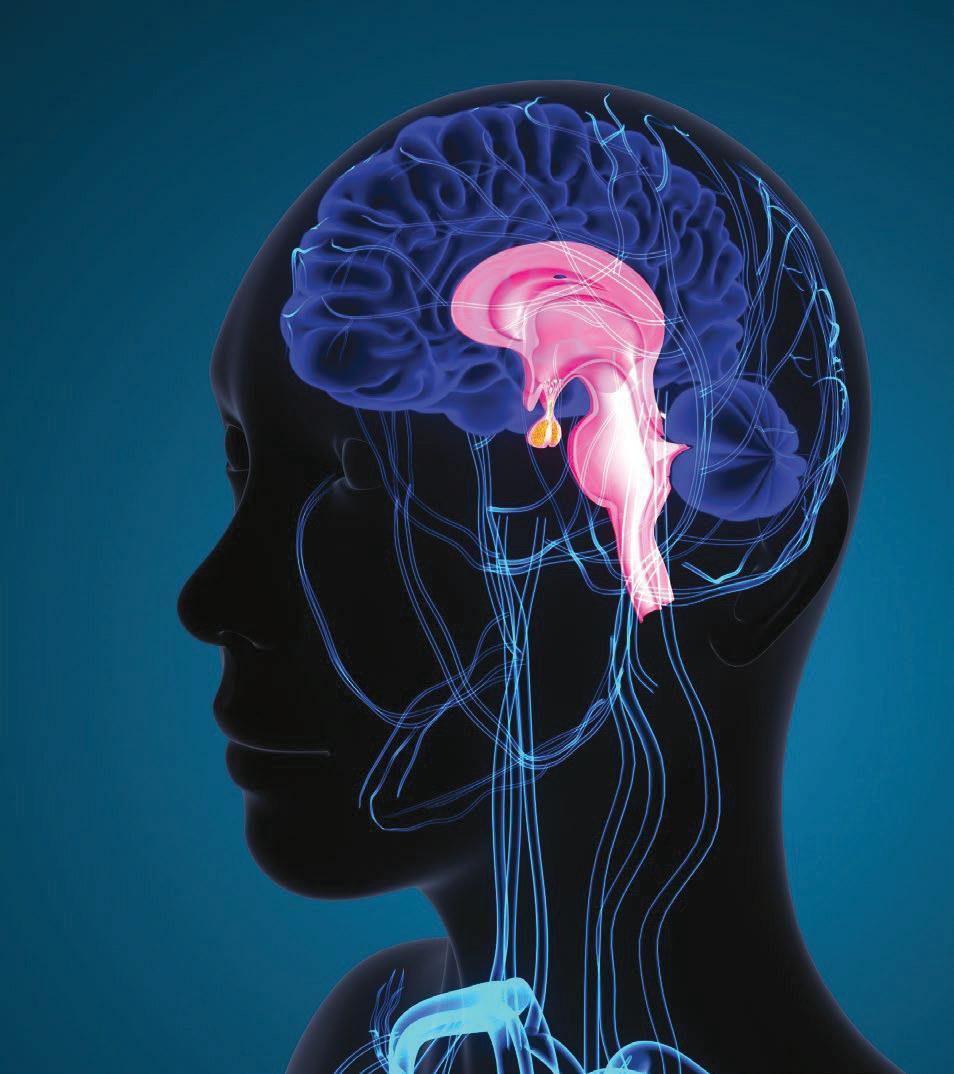
There are more than 10,000 rare diseases or conditions that can affect humans.
However, different countries have slightly different definitions of what constitutes a rare disease. For example, the National Organization for Rare Disorders categorises a rare disease as one that affects fewer than 200,000 people in the US, whereas the European Commission classifies a rare disease as one affecting less than five in 10,000 people in the community.
The causes of the world's rarest diseases vary, but according to the National Health Service (NHS) in the UK, around 80 per cent of them are believed to have a genetic origin. More often than not, there's little information about these diseases and how to treat them due to their scarcity. Organisations such as Rare Diseases International are working to expand our knowledge of them and help over 300 million people worldwide living with a rare disease.
ALLERGIC TO WATER
One of the rarest conditions out there is called aquagenic urticaria, often referred to as an allergy to water. As animals made up of around 60 per cent water and who need this liquid to survive, an allergy to water seems inconceivable. Nevertheless, there have been fewer than 100 recorded cases worldwide. Like many other allergic reactions, sufferers of the condition experience rashes and welts on the skin upon direct contact with water. Bathing, rain, sweating and even crying can produce enough water to trigger a reaction. According to the National Organization for Rare Disorders, unlike other urticarias, such as hives, aquagenic urticaria rarely leads to a life-threatening allergic reaction called anaphylaxis. While there is no known cure for the condition, antihistamine medications, topical creams and even ultraviolet light treatments can help manage the symptoms.
GETTING THE ITCH
How water can make a person's skin erupt in itchy lumps
1 CONTACT


Cette histoire est tirée de l'édition Issue 212 de How It Works UK.
Abonnez-vous à Magzter GOLD pour accéder à des milliers d'histoires premium sélectionnées et à plus de 9 000 magazines et journaux.
Déjà abonné ? Se connecter
PLUS D'HISTOIRES DE How It Works UK

How It Works UK
FORMULA FAST
YOUR ULTIMATE GUIDE TO FORMULA ONE RACING

1 mins
Issue 212
How It Works UK
MY LIFE AS AN ASTHMANAUT
A CHILDREN'S BOOK ABOUT ASTHMA
1 min
Issue 212

How It Works UK
LYDIA LOVES BUGS
A SHORT AND SWEET STORY OF AN ENTHUSIASTIC ENTOMOLOGIST
1 min
Issue 212

How It Works UK
INSIDE A DRONE
Drones aren't just for the military any more. These flying marvels are now taking over our lives
3 mins
Issue 212

How It Works UK
WE CAN HEAR WITHOUT EARS
AND OTHER THINGS YOU DIDN'T KNOW WE PLANTS COULD DO
1 min
Issue 212
How It Works UK
DO GEESE GET GOOSEBUMPS?
Many animals experience a similar reaction when they feel cold or scared
2 mins
Issue 212

How It Works UK
SUBMARINES WITHOUT SAILORS
Dive into the world of autonomous submarines and discover the mission that will see one sail around the world
4 mins
Issue 212
How It Works UK
WHAT HAPPENS INSIDE A COCOON?
How certain species of insects transform from crawling caterpillars to flying moths and butterflies
3 mins
Issue 212

How It Works UK
HOW THE ROSE LOST ITS SCENT
From floral to fragranceless, there's a biological reason behind a rose's missing odour today
3 mins
Issue 212
How It Works UK
How many insects have been discovered so far?
The total number of named species is around a million.
7 mins
Issue 212
Listen
Translate
Change font size