Essayer OR - Gratuit
HOW THE MIGHTY MAMMOTH RULED THE ICE AGE
How It Works UK
|Issue 210
Meet the prehistoric giants that roamed the Arctic Circle thousands of years ago
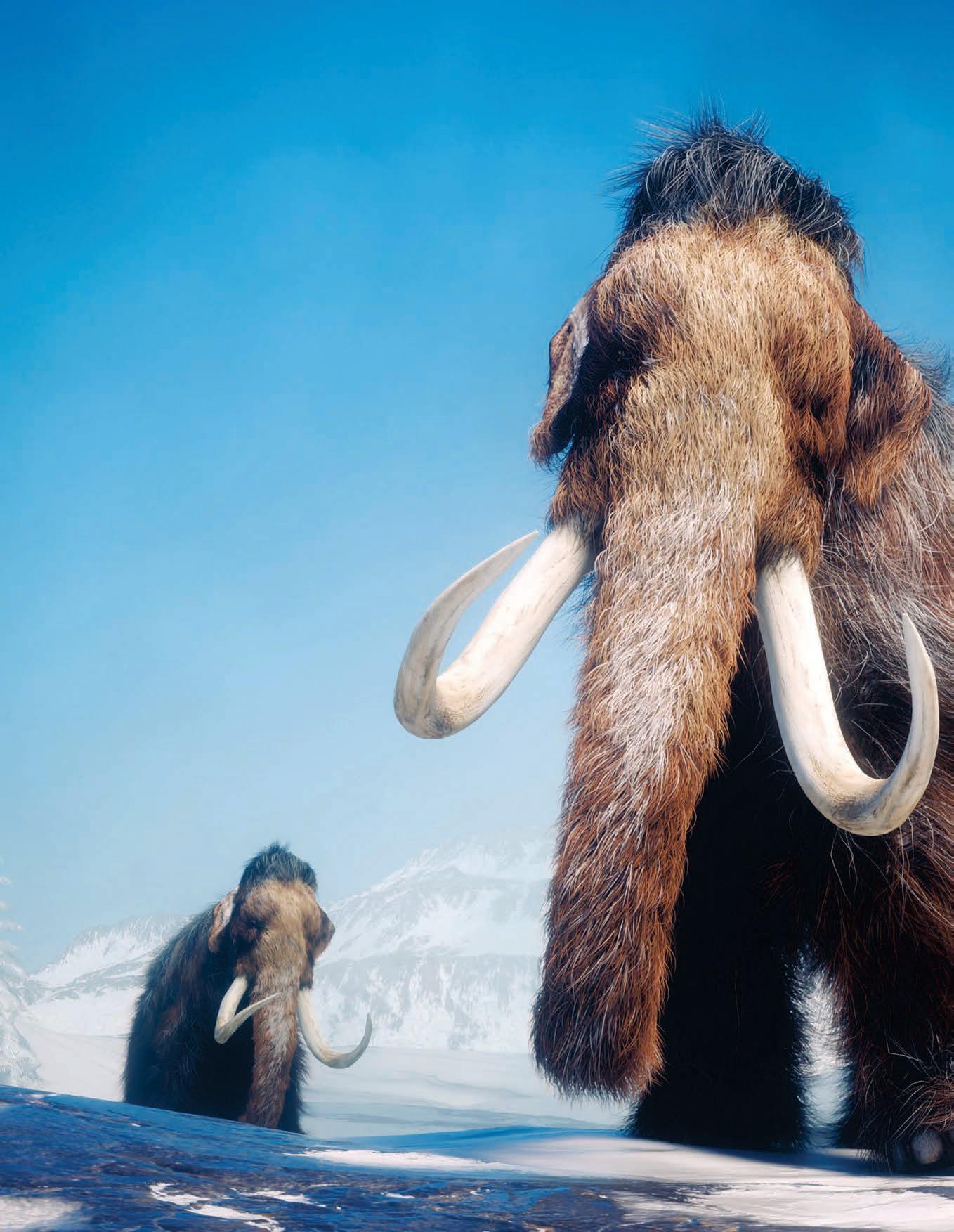
Stomping across the Arctic tundra around 10,000 years ago, the woolly mammoth (Mammuthus primigenius) was one of the hardiest mammals in the world.
Built for stamina and strength, a woolly mammoth could stand up to four metres tall and weighed around six tonnes. However, it was by no means the first of the mammoths, but one of ten currently recognised species. The story of the woolly mammoth starts with the African mammoth (Mammuthus subplanifrons). Physically similar to the elephants of today, this common ancestor of the world's mammoths became extinct around 3 million years ago. The descendants of this African ancestor, such as the southern mammoth (Mammuthus meridionalis), migrated north, spreading across Europe, Asia and eventually the North American continent, crossing the temporary land bridge across the Bering Strait from modern-day Russia.
In Asia, a new mammoth species emerged, called the Steppe mammoth (Mammuthus trogontherii), which feasted on the shrubs and trees that filled the grassland 'steppes' more than a million years ago before venturing into North America. After stepping onto the continent, another giant species emerged around 125,000 years ago, called the Columbian mammoth (Mammuthus columbi), likely evolving from the hybridisation of steppe mammoths and one of its descendants, the woolly mammoth. Woolly mammoths first evolved around 800,000 years ago in modern-day Siberia. Researchers suspect that after a population of steppe mammoths began to adapt to the frigid environment by growing thick, hairy coats, this new species emerged. During the rise of the woolly mammoth, Europe endured a period of glaciation, and the northern part of the continent was covered by massive ice sheets. A thick coat and fat resources were the saving grace for the woolly mammoth in the face of a bitter ice age.


Cette histoire est tirée de l'édition Issue 210 de How It Works UK.
Abonnez-vous à Magzter GOLD pour accéder à des milliers d'histoires premium sélectionnées et à plus de 9 000 magazines et journaux.
Déjà abonné ? Se connecter
PLUS D'HISTOIRES DE How It Works UK

How It Works UK
FORMULA FAST
YOUR ULTIMATE GUIDE TO FORMULA ONE RACING

1 mins
Issue 212

How It Works UK
MY LIFE AS AN ASTHMANAUT
A CHILDREN'S BOOK ABOUT ASTHMA
1 min
Issue 212

How It Works UK
LYDIA LOVES BUGS
A SHORT AND SWEET STORY OF AN ENTHUSIASTIC ENTOMOLOGIST
1 min
Issue 212

How It Works UK
INSIDE A DRONE
Drones aren't just for the military any more. These flying marvels are now taking over our lives
3 mins
Issue 212
How It Works UK
WE CAN HEAR WITHOUT EARS
AND OTHER THINGS YOU DIDN'T KNOW WE PLANTS COULD DO
1 min
Issue 212

How It Works UK
DO GEESE GET GOOSEBUMPS?
Many animals experience a similar reaction when they feel cold or scared
2 mins
Issue 212

How It Works UK
SUBMARINES WITHOUT SAILORS
Dive into the world of autonomous submarines and discover the mission that will see one sail around the world
4 mins
Issue 212
How It Works UK
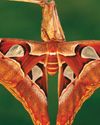
WHAT HAPPENS INSIDE A COCOON?
How certain species of insects transform from crawling caterpillars to flying moths and butterflies
3 mins
Issue 212

How It Works UK
HOW THE ROSE LOST ITS SCENT
From floral to fragranceless, there's a biological reason behind a rose's missing odour today
3 mins
Issue 212
How It Works UK
How many insects have been discovered so far?
The total number of named species is around a million.
7 mins
Issue 212
Listen
Translate
Change font size