
Passez à l'illimité avec Magzter GOLD
Obtenez un accès illimité à plus de 9 000 magazines, journaux et articles Premium pour seulement
Essayer OR - Gratuit
GENETICS: Gene-editing discovery could reverse ageing
BBC Science Focus
|November 2024
CRISPR is a way off being used in human therapeutics, but a new discovery could unlock its potential
-

Gene editing probably isn't the first method that comes to mind for keeping your brain young. However, recent research suggests that the DNA-modification technology known as CRISPR has the potential to rejuvenate our stem cells and reverse ageing. Stem cells are unspecialised cells that are capable of dividing and renewing into specific, differentiated cells.
While the technology is a long way from being used in humans, fresh breakthroughs could prove significant in fundamental biology. Specifically, scientists may have found a way to boost the ability of old stem cells in your brain to produce young new cells, rejuvenating the organ.
"We think [this] could be part of a resilience mechanism for an older brain," says the study's principal investigator, Prof Anne Brunet of Stanford Medicine in the US.
But in humans, she says, "this is extremely speculative." So far, the researchers in Brunet's lab have successfully boosted the brain function of mice into old age.
They used CRISPR, a tool that works like 'molecular scissors' to precisely cut sections of DNA, to disrupt the neural stem cells in the mice. This reactivated the cells, prompting them to generate new neurons.
While human stem cells don't work exactly the same way, the discovery could still guide research towards creating treatments for age-related diseases, like dementia.
HOW DO GENES AFFECT AGEING?
As you age, your stem cells deteriorate. Usually able to activate and produce new ones, they instead stay dormant (or, to scientists, 'quiescent'). The same is true for stem cells in mice.


Cette histoire est tirée de l'édition November 2024 de BBC Science Focus.
Abonnez-vous à Magzter GOLD pour accéder à des milliers d'histoires premium sélectionnées et à plus de 9 000 magazines et journaux.
Déjà abonné ? Se connecter
PLUS D'HISTOIRES DE BBC Science Focus
BBC Science Focus
HOW FISH COULD SAVE MILLIONS OF PEOPLE'S SIGHT
There's nowhere near enough donors to meet the demand for corneal transplants. A pioneering treatment that relies on fish scales could change that

3 mins
May 2026

BBC Science Focus
Your Wi-Fi is lying to you
Wi-Fi 7's giant speed claims might look impressive, but the realities of our homes – and the laws of physics – mean that real-world performance will never get close
6 mins
May 2026

BBC Science Focus
WHICH ANIMAL IS MOST LIKELY TO ESCAPE FROM THE ZOO?
Have you heard the one about the monkey and the Yorkshire pudding?
2 mins
May 2026
BBC Science Focus
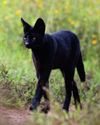
THE BLACK SERVAL
The black serval (Leptailurus serval) is an unusual, melanistic version of the African serval, a medium-sized wild cat that's native to Africa.
2 mins
May 2026
BBC Science Focus
Cryosleep vs hibernation: What's the difference?
When hibernating animals, such as hedgehogs and dormice, disappear for winter, they don't freeze like the Siberian salamander.
1 mins
May 2026

BBC Science Focus
Space brain
The greatest names in science are often said to be 'big-brained', but this cosmic wonder puts them all to shame. Nebula PMR 1 - otherwise known as the 'Exposed Cranium' nebula for its distinctive shape - measures around 3.2 light-years across.
1 min
May 2026

BBC Science Focus
Your most draining relationships are taking years off your life, study suggests
Difficult people don't just zap your energy - they may also accelerate your biological ageing
4 mins
May 2026

BBC Science Focus
DOES EARTH HAVE A HEARTBEAT?
Move over, Ringo Starr.
1 mins
May 2026
BBC Science Focus
WEIGHT-LOSS DRUGS FOR ALL?
The obesity crisis is ruining lives and costing governments trillions. But some healthcare experts think there's now a radical solution: roll out GLP-1 jabs to everyone who needs them for free. Could it work?
9 mins
May 2026
BBC Science Focus
HOW TO SEE VENUS ON APPROACH TO JUPITER
Venus has been slowly moving away from the Sun's glare over the past few weeks, heading into the evening twilight after sunset.
1 mins
May 2026
Listen
Translate
Change font size