Essayer OR - Gratuit
100 DAYS OF WEIGHT LOSS
BBC Science Focus
|January 2026
Newcomer to fighting the flab? Drop the quick-fixes at the gym, destined to backfire.

You'd be forgiven for thinking that weight loss is a piece of cake – especially at this time of year when wellness influencers and fitness magazines are flexing their ‘easy-to-follow’ transformation programmes.
Then there are supplement companies, slimming groups, personal trainers and biotech firms, all jostling for a slice of the big weight-loss pie. The industry is projected to be worth over £380bn ($500bn) less than a decade from now.
But here’s the thing that’s rarely acknowledged: weight loss is tremendously difficult – especially for beginners. It’s believed the majority of diets fail, often within weeks, and studies repeatedly show that people who do lose weight usually put it back on – and more – within a couple of years.
In the UK, two-thirds of adults are overweight. In the US, it’s closer to three-quarters. There’s lots of evidence weight loss could improve the quality and quantity of their lives. In 2025, researchers found that cutting just five per cent of body mass could lead to improved health markers for people with obesity – even if they regain some of the weight – from lower blood pressure and cholesterol to healthier liver function, reduced inflammation and better sleep.
However, a 2025 study in the journal Heart found that weight fluctuations can be dangerous, increasing the risk of death in obese people with cardiovascular issues.
So what’s the answer? Steady, sustainable, successful weight loss, which is about shifting to a healthier overall lifestyle that you can maintain.
We’ve spoken to leading experts and sifted through the latest weight-loss research to identify the strategies that genuinely work. Here are six you can try in the first 100 days of a weight-loss effort to boost your chances of long-term success.
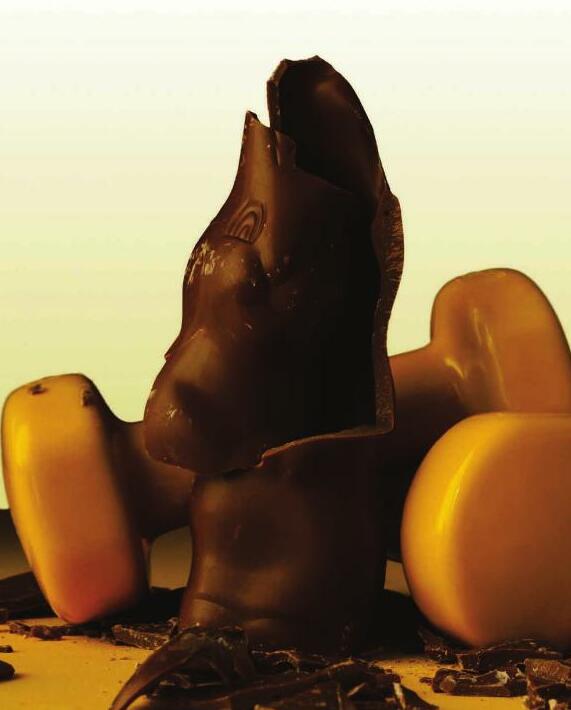 1 Know your enemy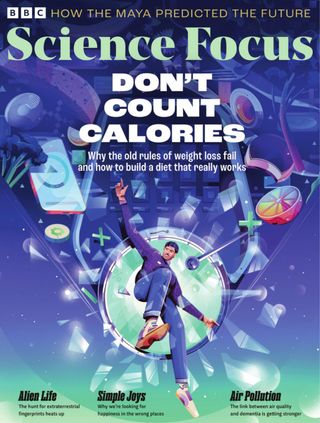

Cette histoire est tirée de l'édition January 2026 de BBC Science Focus.
Abonnez-vous à Magzter GOLD pour accéder à des milliers d'histoires premium sélectionnées et à plus de 9 000 magazines et journaux.
Déjà abonné ? Se connecter
PLUS D'HISTOIRES DE BBC Science Focus

BBC Science Focus
World's biggest cobweb is home to 100,000 spiders
Spiders don't normally create such large colonies, so there's no need to worry about finding one in your basement

1 min
February 2026

BBC Science Focus
A dementia vaccine could be gamechanging – and available already
Getting vaccinated against shingles could protect you from getting dementia, or slow the progression of the disease
1 mins
February 2026

BBC Science Focus
DATA IN SPACE
An unusual spacecraft reached orbit in November 2025, one that might herald the dawn of a new era.
7 mins
February 2026

BBC Science Focus
Climate change is already shrinking your salary
No matter where you live, a new study has found warmer temperatures are picking your pocket
4 mins
February 2026

BBC Science Focus
A MENTAL HEALTH GLOW-UP
Forget fine lines. Could Botox give you an unexpected mental health tweakment?
3 mins
February 2026
BBC Science Focus
Most people with high cholesterol gene don't know they have it
Standard testing struggles to detect the condition
1 mins
February 2026

BBC Science Focus
HOW CAN I BOOST MY IQ?
If you're serious about getting smarter, it's time to ditch the brain-training apps
4 mins
February 2026

BBC Science Focus
Humans are absolutely terrible at reading dogs' emotions
Think you can tell how our furry friends are feeling? Think again
1 mins
February 2026

BBC Science Focus
HOW TO TEACH AI RIGHT FROM WRONG
If we want to get good responses from AI, we may need to see what it does when we ask it to be evil
3 mins
February 2026

BBC Science Focus
What Australia's social media ban could really mean for under-16s
Many people think social media is bad for our kids. Australia is trying to prove it
5 mins
February 2026
Listen
Translate
Change font size