
Passez à l'illimité avec Magzter GOLD
Obtenez un accès illimité à plus de 9 000 magazines, journaux et articles Premium pour seulement
Essayer OR - Gratuit
Lepas anatifera
TerraGreen
|December 2025
Microplastic Indicator
-
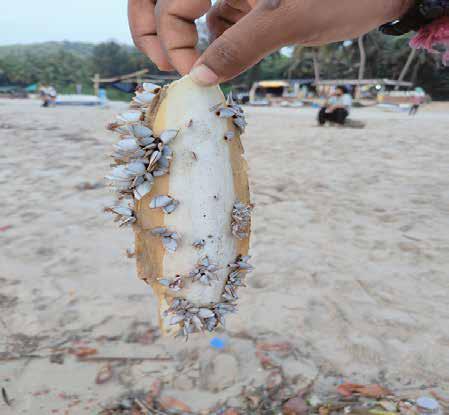
In this article, Chaithanya M K highlights that Lepas anatifera is a barnacle commonly known as the goose barnacle. It is a biomonitor species, and because it is cosmopolitan, it is found almost everywhere. When subjected to gastrointestinal (GIT) testing, the species has been found to contain microplastics, which in turn indicates rising pollution levels in ocean and sea waters. These goose barnacles attach to floating plastic debris in the sea, as well as to drifting wooden logs. When they wash ashore, they indicate the presence of microplastics, cotton, cellulose, and other pollutants. For this reason, they are also called “dirt barnacles,” highlighting their unique ability to signal plastic and water contamination.
We humans have not only polluted the land with plastic but have also dumped enormous amounts of plastic and pesticides into the seas. Our growing greed has left almost no space untouched by waste. We often fail to understand the hardships animals face due to plastic pollution. Many turtles and aquatic species are dying because of microplastics. Plastic pollution threatens marine life through entanglement, ingestion, and chemical exposure, causing injury, starvation, and death. Microplastics disrupt the food chain and affect the health and reproduction of marine organisms. Therefore, we must act responsibly and allow other living creatures to thrive. Every nation must undertake microplastic assessments to reduce not only microplastics but all pollutants contaminating beaches, seas, and oceans.

Cette histoire est tirée de l'édition December 2025 de TerraGreen.
Abonnez-vous à Magzter GOLD pour accéder à des milliers d'histoires premium sélectionnées et à plus de 9 000 magazines et journaux.
Déjà abonné ? Se connecter
PLUS D'HISTOIRES DE TerraGreen
TerraGreen
Motor Efficiency
The Silent Catalyst of India's Green Industrial Revolution

4 mins
January 2026

TerraGreen
Beauty That Betrays!
The Quiet Invasion of An Ornamental Plant
3 mins
January 2026
TerraGreen
Farming Innovation Addresses Food Shortages
Also Halves Methane Emissions
4 mins
January 2026
TerraGreen
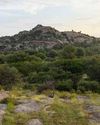
Aravalli on the Edge
Saving India's Ancient Green Shield from Collapse
3 mins
January 2026
TerraGreen
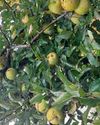
From Orchard to Table
Apple Picking, Family Time, and Fall Colours
4 mins
January 2026
TerraGreen
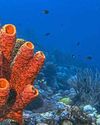
Coral Reefs Could Feed Millions
If We Let Them Rebuild
3 mins
January 2026

TerraGreen
Resting on Deodars
How Fallen Trees are Being Reimagined as Urban Assets in Shimla
3 mins
January 2026

TerraGreen
India's Clean-Air Innovation at Risk
Nationwide Assessment by WeNaturalists
2 mins
January 2026
TerraGreen
CNFF-25
Highlights Environmental Concern Amid India's Cultural Heritage
3 mins
January 2026
TerraGreen
Green Farming through Circular Economy
Sustainable Practices for Waste Reduction
8 mins
January 2026
Listen
Translate
Change font size