Essayer OR - Gratuit
Rest actually takes hard work
TIME Magazine
|February 26, 2024
AMERICANS HAVE LONG BEEN KNOWN FOR OUR INDUSTRY and ambition, but until recently, we also recognized the value of rest. The Puritans had a famously strict work ethic, but they also took their Sundays very seriously.
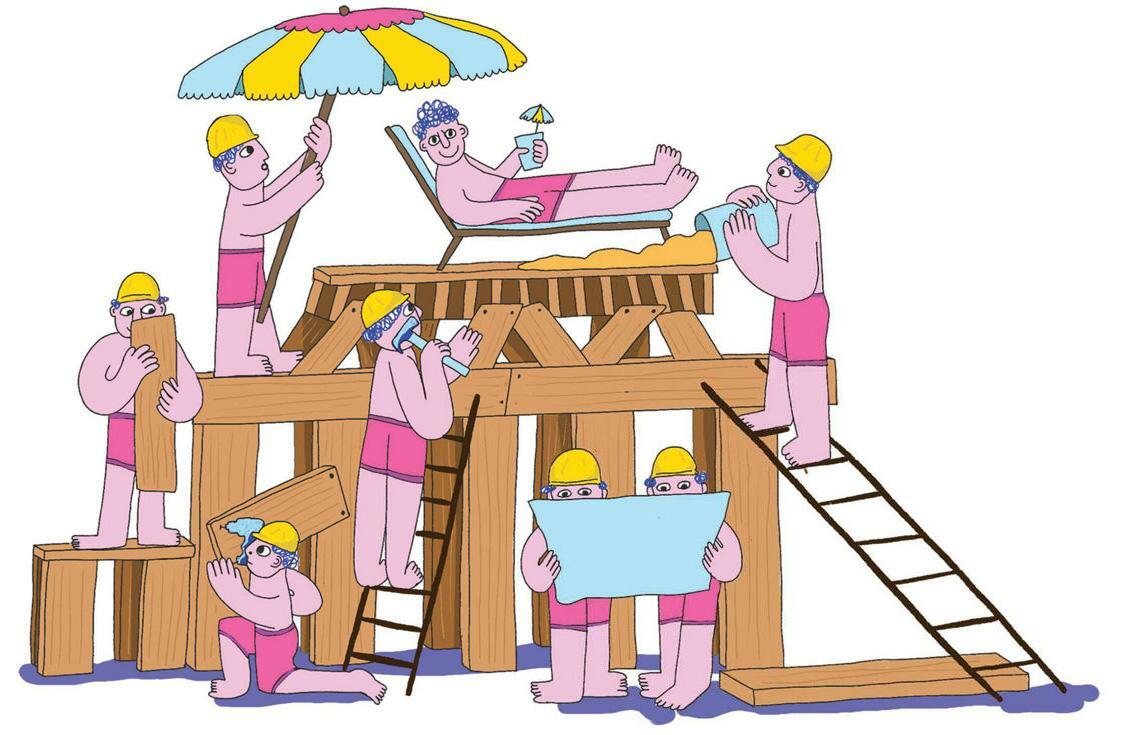
In 1842, Henry David Thoreau observed, "The really efficient laborer will be found not to crowd his day with work, but will saunter to his task surrounded by a wide halo of ease and leisure"; a decade later he wrote, "A broad margin of leisure is as beautiful in a man's life as in a book." Post-Civil War captains of industry didn't rise and grind, according business journalist Bertie Charles Forbes: "No man goes in more whole-heartedly for sport and other forms of recreation than" industrialist Coleman du Pont, while Teddy Roosevelt "boisterously... enters into recreation" despite a busy public life.
At the same time, union organizers, mass media and entertainment, and the parks movement democratized leisure: rest became a right, enshrined as much in college sports and penny arcades as in labor law. Richard Nixon, during a campaign speech in 1956, predicted that "new forms of production will evolve" to make "backbreaking toil and mind-wearying tension" a thing of the past, and "a four-day week and family life will be... enjoyed by every American." Together, these sources paint a vision of American life in which work and leisure are partners in a good life, and "machines and electronic devices," as Nixon called them, created more time for everyone.


Cette histoire est tirée de l'édition February 26, 2024 de TIME Magazine.
Abonnez-vous à Magzter GOLD pour accéder à des milliers d'histoires premium sélectionnées et à plus de 9 000 magazines et journaux.
Déjà abonné ? Se connecter
Translate
Change font size