
Passez à l'illimité avec Magzter GOLD
Obtenez un accès illimité à plus de 9 000 magazines, journaux et articles Premium pour seulement
Reality TV confronts a dark moment for LGBTQ rights
TIME Magazine
|June 12, 2023
"ALL THINGS JUST KEEP GETTING BETTER," PROCLAIMS the theme song of reality show Queer Eye, which celebrates its 20th anniversary in July. For years, that sentiment rang true for LGBTQ rights.
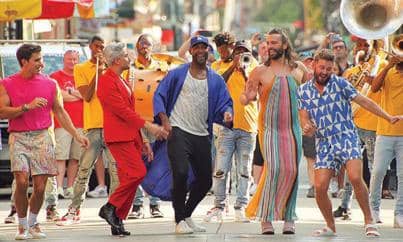
"Don't ask, don't tell" was repealed in 2011. Federal marriage equality arrived in 2015. Trans figures like Laverne Cox and Elliot Page burst onto the national stage. But the 2020s have been painful for queer and trans Americans. Hearing a brass band belt out this optimistic refrain in the new, New Orleans-set seventh season, you might ask: All things just keep ... doing what now?
Such is the bittersweet experience of watching LGBTQ reality TV in 2023. It's heartening to see evidence of people with diverse sexual orientations and gender identities thriving. Yet there's something surreal about Queer Eye doing cheerful makeovers in a state with a "Don't say gay" bill and RuPaul sending queens down the runway amid a flurry of anti-drag legislation. After decades as small-screen vanguards of a movement that used pop culture as a soapbox, these shows are scrambling to meet the moment.
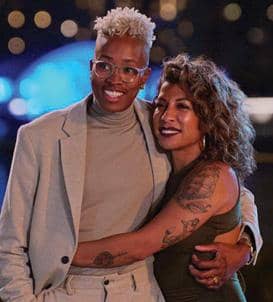
QUEER EYE AND RUPAUL'S DRAG RACE deserve a lot of credit for bringing LGBTQ culture into the mainstream. But they were hardly the first in their genre to do so. The Real World made Pedro Zamora, a gay AIDS activist who died in 1994, a secular saint. A generation earlier, the PBS documentary and reality-TV template An American Family took viewers into New York's queer demimonde with the family's son, Lance Loud. Both men made a profound impact as the first real, out gay people many viewers got to know.
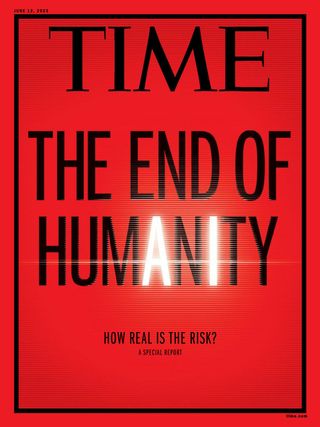

Cette histoire est tirée de l'édition June 12, 2023 de TIME Magazine.
Abonnez-vous à Magzter GOLD pour accéder à des milliers d'histoires premium sélectionnées et à plus de 9 000 magazines et journaux.
Déjà abonné ? Se connecter
Translate
Change font size