Essayer OR - Gratuit
The Hands that Guard the Ayatollah
Outlook
|July 11, 2025
The Iranian constitution is instrumental in giving an ideological and political base for the theocratic state, notwithstanding recurrent internal unrest, economic hardships and wars fought over the last four-and-a-half decades
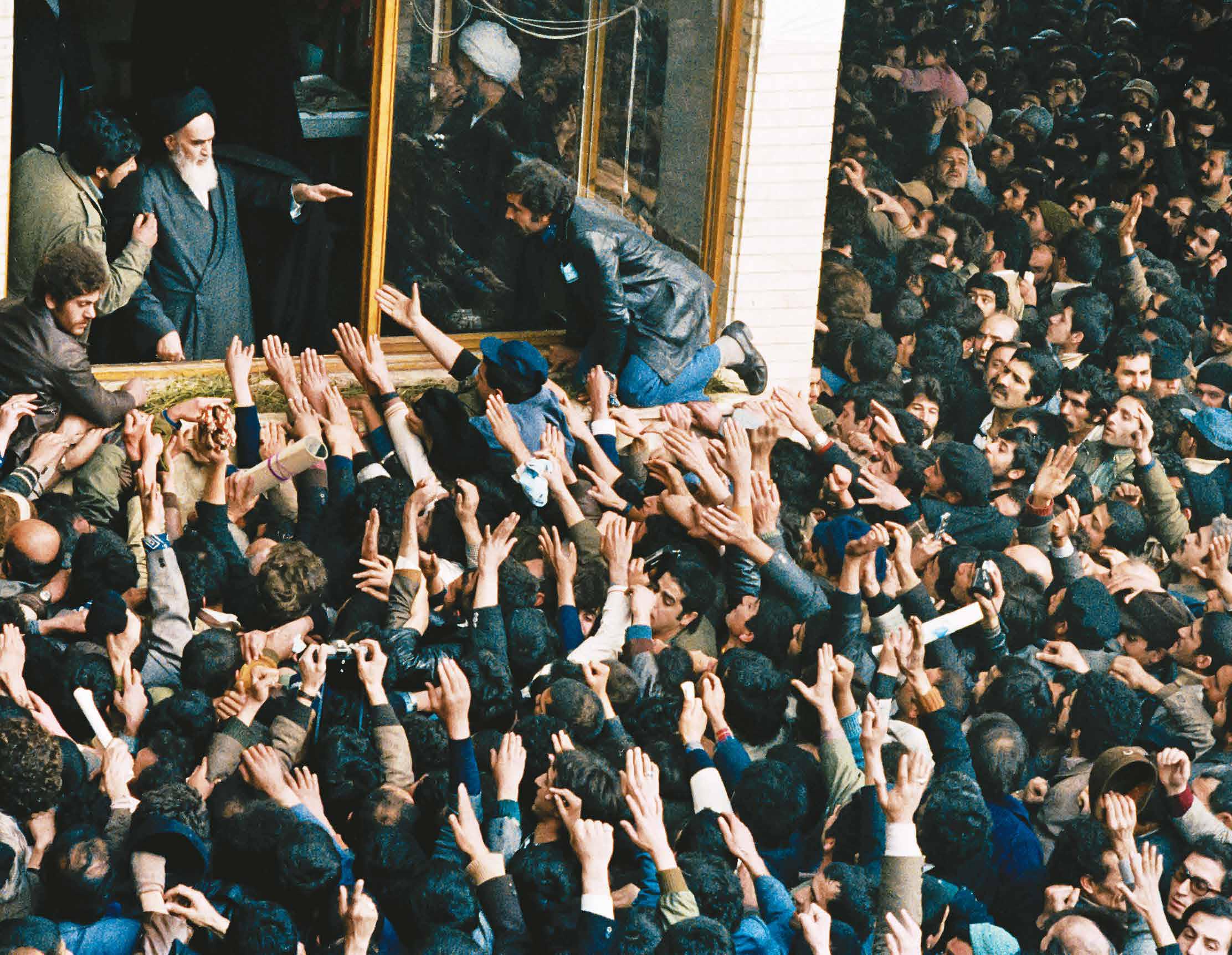
ALTHOUGH a temporary truce between Israel and Iran seems to be holding for now, the Iranian regime's proclivity for violence continues unabated. Even before the tentative ceasefire could take effect, the Islamic Republic turned its guns on its people by executing six men on charges of spying—based on confessions allegedly obtained by torture.
There are fears that more executions on similar charges are in the offing, with Iran’s Fars News Agency reporting that over 700 people have been detained on charges of being “Israeli mercenaries”.
Perhaps the Iranian government is apprehensive of a major public revolt, similar to the 2022 mass protests over the killing of 22-year-old Mahsa Amini in police custody after she was arrested for not wearing the hijab. The travesty sparked a wave of protests across the country, leading to the death of over 500 people and the detention of over 20,000 protestors.
Many of the problems facing Iranian society today spring from the severe draconian measures adopted by the theocratic regime, particularly against supporters of secular and liberal democracy, minority rights and gender equality.
Institutionalised Theocracy
Unlike most countries in West Asia that do not have a comprehensive or written constitution—like Saudi Arabia and Israel—Iran drafted and ratified a theocratic constitution for itself after a referendum in 1979, which combines a unique set of Islamic and pseudo-democratic provisions.
Called ‘Qanun-e Asasi-ye Jomhuri-ye Eslâmi-ye Iran’ in Persian (Fundamental Law of the Islamic Republic of Iran), the constitution provides a foundation for the institutional framework and procedural functioning of the regime.

Cette histoire est tirée de l'édition July 11, 2025 de Outlook.
Abonnez-vous à Magzter GOLD pour accéder à des milliers d'histoires premium sélectionnées et à plus de 9 000 magazines et journaux.
Déjà abonné ? Se connecter
PLUS D'HISTOIRES DE Outlook

Outlook
'Why GDP Growth Doesn't Always Translate Into Votes'
The recent election results have once again shown that economic growth alone does not guarantee electoral victory.

3 mins
June 06, 2026

Outlook
Lights, Camera, Othering
The establishment of Israel has been accompanied by a national cinema devoted to negating and erasing the Palestinian Other
5 mins
June 06, 2026

Outlook
Goodbye to All That
Booker-winning British author Julian Barnes' Departure(s) is a unique hybrid work: playful, philosophical, whimsical
4 mins
June 06, 2026

Outlook
Collapse of Trust
As the NEET-UG 2026 paper leak forced the cancellation of India’s biggest medical entrance exam, more than 22 lakh aspirants find themselves trapped in uncertainty
11 mins
June 06, 2026

Outlook
NO LONGER A TWELFTH MAN
Bihar cricket, which has languished in the shadows for long, is all set to improve its strike rate, thanks to Vaibhav Sooryavanshi, the new Bihari kid on the block
5 mins
June 06, 2026

Outlook
BLAZE OF GLORY
The challenges of being a celebrity cricketer at a young age can be tough to handle
5 mins
June 06, 2026

Outlook
THE SWASHBUCKLERS
A new generation of fearless stars is emerging and finding its feet at the very top of an extremely competitive cricketing environment
5 mins
June 06, 2026

Outlook
THE TEEN TORNAD
At the age of 15, Vaibhav Sooryavanshi is already a cricketing legend
10 mins
June 06, 2026

Outlook
A Journey to Remember
The prerecorded message crackled over the din in the compartment: ‘Welcome to the Shatabdi Express.
4 mins
June 06, 2026

Outlook
Crossing Borders
Ruth Martin is the translator of German-Iranian author Shida Bazyar’s novel The Nights are Quiet in Tehran (originally written in German), which has been shortlisted for the 2026 International Booker Prize.
4 mins
June 06, 2026
Listen
Translate
Change font size