
Passez à l'illimité avec Magzter GOLD
Obtenez un accès illimité à plus de 9 000 magazines, journaux et articles Premium pour seulement
Essayer OR - Gratuit
Philosophy & The Crown
Philosophy Now
|February/March 2024
Vincent Di Norcia on monarchy and stability.
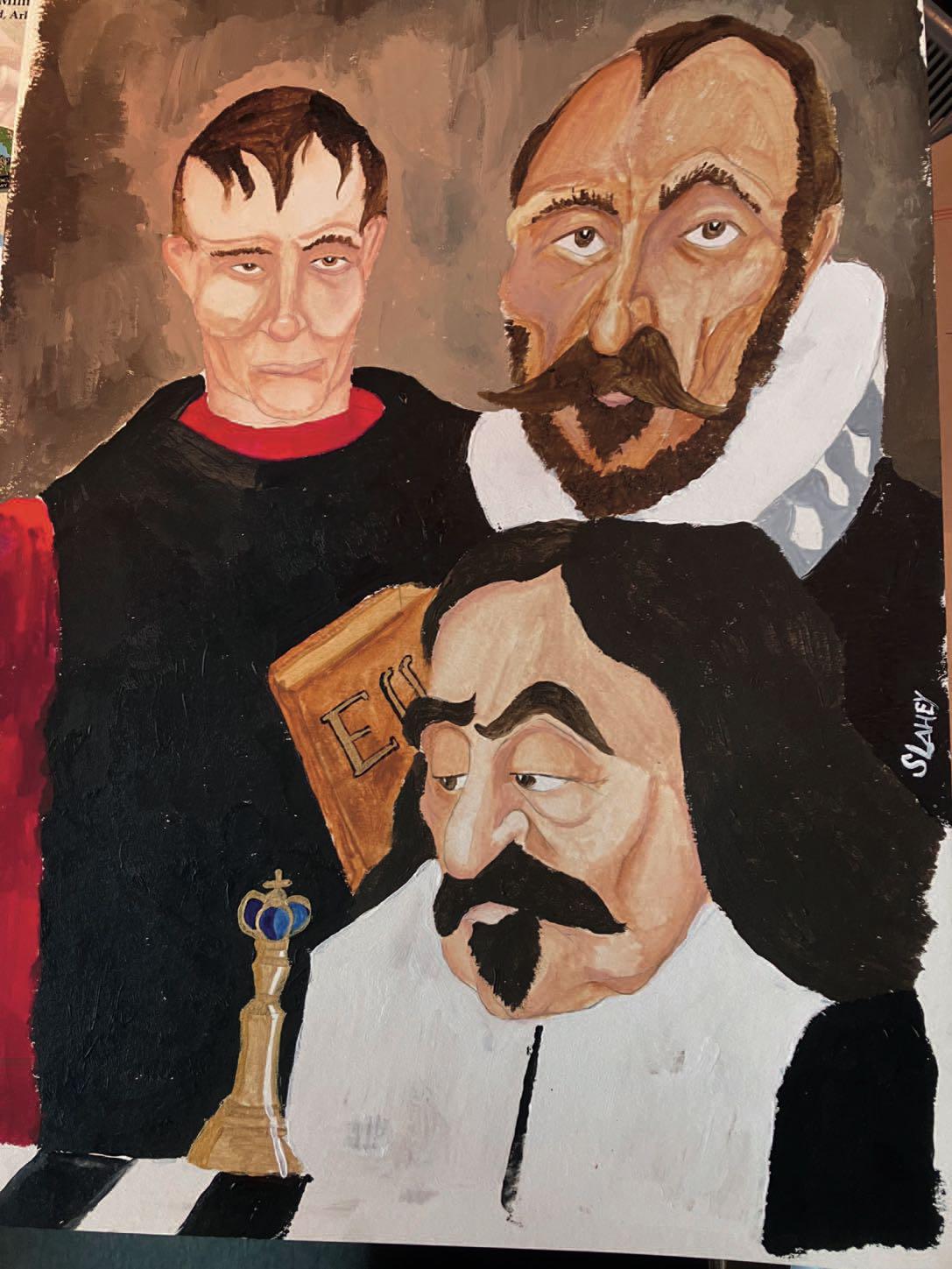
Machiavelli is a political philosopher with a sulfer-ous reputation. His comment above, though, reflected his bitter personal experience of war-ring Italian city states. He wrote The Prince after his decades of dedicated and skillful public service to the Flo-rentine Republic had been rewarded with torture and exile. Perhaps his implicit approval of the relatively stable hereditary monarchies was not surprising. Nor was René Descartes' sup-port for monarchy, for, as he wrote, his “whole aim was to find security”, and he “prized tranquility over everything” (Discourse p.28; p.54). So he saw support for the legitimate authority of his King as a moral choice. His ‘first moral maxim’ echoed Michel de Montaigne’s support for Henry II in back 1574, when civil war had broken out in France after the 1572 St Bartholomew’s Day massacre of Huguenots by Catholics. While Montaigne complained that “the moral laws concern-ing the duty of each man in himself are hard to frame”, he com-bined private duty with public reason, including submission to public authority, to write: “It is in justice that kingly virtue mainly consists” (Essays, 1580, p.336). Descartes, who knew Montaigne’s Essays, was certainly influenced by the views of his great predecessor.
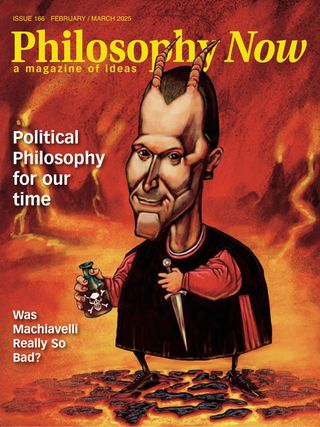

Cette histoire est tirée de l'édition February/March 2024 de Philosophy Now.
Abonnez-vous à Magzter GOLD pour accéder à des milliers d'histoires premium sélectionnées et à plus de 9 000 magazines et journaux.
Déjà abonné ? Se connecter
PLUS D'HISTOIRES DE Philosophy Now
Philosophy Now
Bilbo Theorizes About Wellbeing
Eric Comerford overhears Bilbo and Gandalf discussing happiness.

9 mins
December 2025 / January 2026

Philosophy Now
What Women?
Marcia Yudkin remembers almost choking at Cornell
11 mins
December 2025 / January 2026
Philosophy Now
Islamic Philosophers On Tyranny
Amir Ali Maleki looks at tyranny from an Islamic perspective.
4 mins
December 2025 / January 2026

Philosophy Now
Peter Singer
The controversial Australian philosopher defends the right to choose to die on utilitarian grounds
5 mins
December 2025 / January 2026

Philosophy Now
Another Conversation with Martin Heidegger?
Raymond Tallis talks about communication problems.
7 mins
December 2025 / January 2026

Philosophy Now
Letters
When inspiration strikes, don't bottle it up. Email me at rick.lewis@philosophynow.org Keep them short and keep them coming!
17 mins
December 2025 / January 2026
Philosophy Now
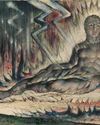
The Philosophy of William Blake
Mark Vernon looks at the imaginative thinking of an imaginative artist.
9 mins
December 2025 / January 2026

Philosophy Now
Philosophical Haiku
Peering through life’s lens God in nature is deduced: The joy of being.
1 mins
December 2025 / January 2026

Philosophy Now
Philosophy Shorts
More songs about Buildings and Food' was the title of a 1978 album by the rock band Talking Heads. It was about all the things rock stars normally don't sing about. Pop songs are usually about variations on the theme of love; tracks like Rose Royce's 1976 hit 'Car Wash' are the exception. Philosophers, likewise, tend to have a narrow focus on epistemology, metaphysics and trifles like the meaning of life. But occasionally great minds stray from their turf and write about other matters, for example buildings (Martin Heidegger), food (Hobbes), tomato juice (Robert Nozick), and the weather (Lucretius and Aristotle). This series of Shorts is about these unfamiliar themes; about the things philosophers also write about.
2 mins
December 2025 / January 2026
Philosophy Now
Hedonic Treadmills in the Vale of Tears
Michael Gracey looks at how philosophers have pursued happiness.
8 mins
December 2025 / January 2026
Listen
Translate
Change font size