
Passez à l'illimité avec Magzter GOLD
Obtenez un accès illimité à plus de 9 000 magazines, journaux et articles Premium pour seulement
Essayer OR - Gratuit
RIPE with CULTURE
Hobby Farms
|Best of Hobby Farms 2025
MAKE DELICIOUS, REFRESHING BREADS, MARINADES & MORE.
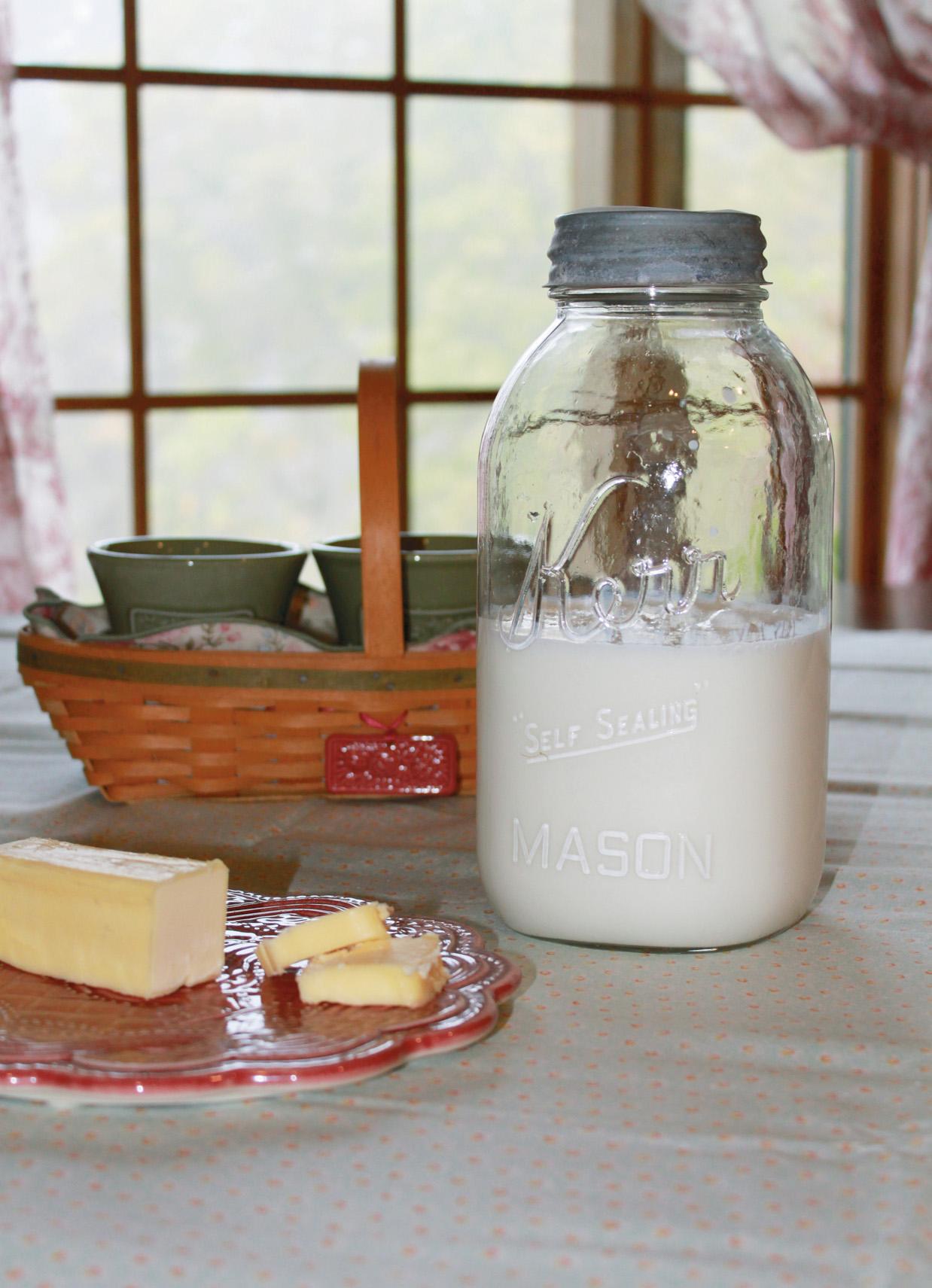
Dreaming of crispy waffles and rich, dark coffee as I slowly stir from a restful sleep can only mean one thing: It's going to be a buttermilk morning! Just the word "buttermilk" brings back memories of home on the farm, warm cozy afternoons with buttermilk scones and tea in front of the fire, crispy fried chicken for Sunday supper, luscious cakes made for neighbors dropping in to chat over coffee, or a relaxing soak in a buttermilk-and-honey bath.
Buttermilk's roots can be traced to when people started domesticating dairy animals. It's been a staple of farm life as long as butter. At the beginning of the 20th century, drinking buttermilk became a health craze after a Russian biologist, Elie Metchnikoff, claimed people in the Balkans were living longer from drinking buttermilk. Dr. John Harvey Kellogg even served "Bulgarian buttermilk" in his health clinic in Battle Creek, Michigan.
The mechanization of the milking process and spread of refrigeration technologies all but eliminated the need to make butter at home. As a result, traditional buttermilk became scarce, and the dairy industry started making cultured buttermilk to supply the demand for the healthy beverage. It was the thing to drink for health, longevity and dieting from the 1920s through the '60s, when it hit its peak production. Soon thereafter, it lost its star status, being upstaged by yogurt, another fermented milk product.
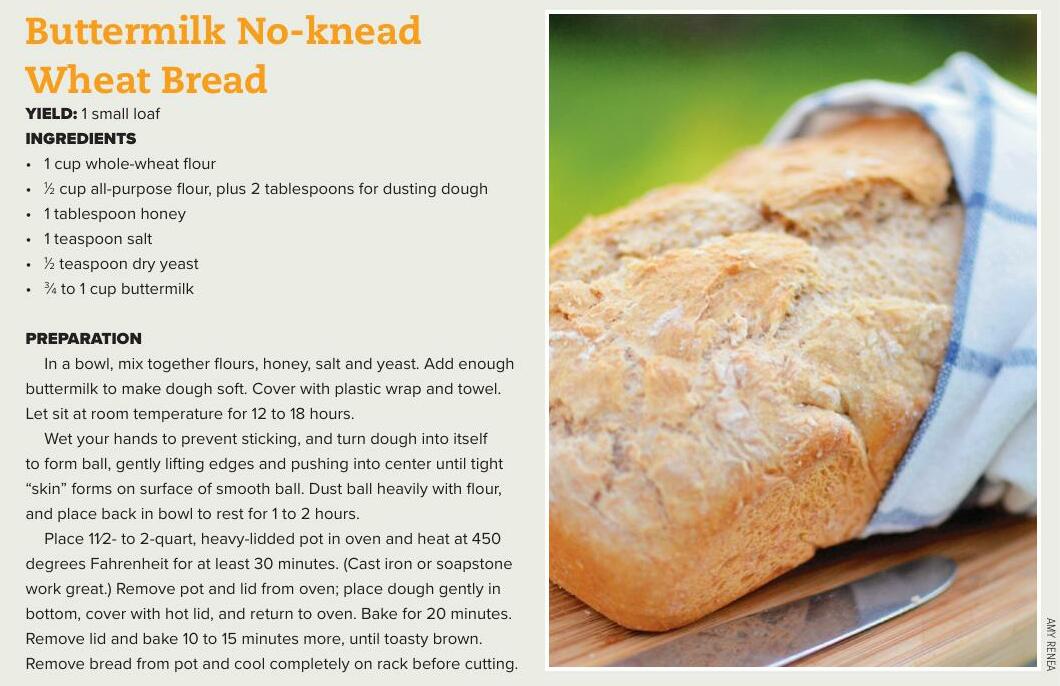 THE BASICS OF BUTTERMILK
 Butter can be produced from any milk. On small farms in the United States, it's typically derived from cows, goats or sheep. In other parts of the world, farmers use the milk of reindeer, yak, moose, horses, donkeys, llamas or camels.
There are three basic kinds of buttermilk.
TRADITIONAL BUTTERMILK, a buttermaking byproduct.
CULTURED BUTTERMILK, made 3 ways:

Cette histoire est tirée de l'édition Best of Hobby Farms 2025 de Hobby Farms.
Abonnez-vous à Magzter GOLD pour accéder à des milliers d'histoires premium sélectionnées et à plus de 9 000 magazines et journaux.
Déjà abonné ? Se connecter
PLUS D'HISTOIRES DE Hobby Farms
Hobby Farms
AN HERB TO AVOID IN WINTER
While many culinary herbs are beneficial in winter, some members of the mint family are best to avoid when temperatures dip below 40 degrees Fahrenheit.

1 min
Healthy Hens 2026
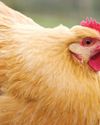
Hobby Farms
Golden Girls
Discover some of the most overlooked health issues in aging hens.
6 mins
Healthy Hens 2026
Hobby Farms
Winter Tea Supplement
Several years ago, I noticed that while my healthy hens were robust during the growing season, their health declined a little during winter when they weren’t regularly consuming herbs or other greens.
2 mins
Healthy Hens 2026
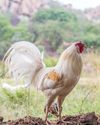
Hobby Farms
Cool CHOOKS
Most chicken breeds are pretty hardy, but you can still make them more comfortable by offering them some escape from the summer heat.
7 mins
Healthy Hens 2026
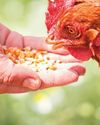
Hobby Farms
Feeding Fowl
What you feed, how you supplement and when you treat will make all the difference for your chickens.
10 mins
Healthy Hens 2026
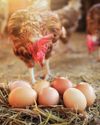
Hobby Farms
Egg-Eating Hens
Egg-eating hens can be a frustrating and costly problem for backyard chicken-keepers.
6 mins
Healthy Hens 2026

Hobby Farms
Potent PREDATORS
Take precautions, as these 15 marauders can wipe out an entire flock.
12 mins
Healthy Hens 2026
Hobby Farms
15 TOXIC PLANTS
Don't let your chickens eat these common plants.
6 mins
Healthy Hens 2026
Hobby Farms
BUG Off!
Bugs, who needs 'em? Certainly not chicken-keepers, who sometimes struggle to keep pesky flies and poultry parasites at bay.
7 mins
Healthy Hens 2026
Hobby Farms
ALPHA Hens
With or without a flock rooster, one lady always steps up to be the queen.
7 mins
Healthy Hens 2026
Listen
Translate
Change font size