Essayer OR - Gratuit
LIVESTOCK Health
Hobby Farms
|January - February 2025
Prepare yourself for how to spot symptoms of illness in your farm animals so that you can get them help before it's too late.
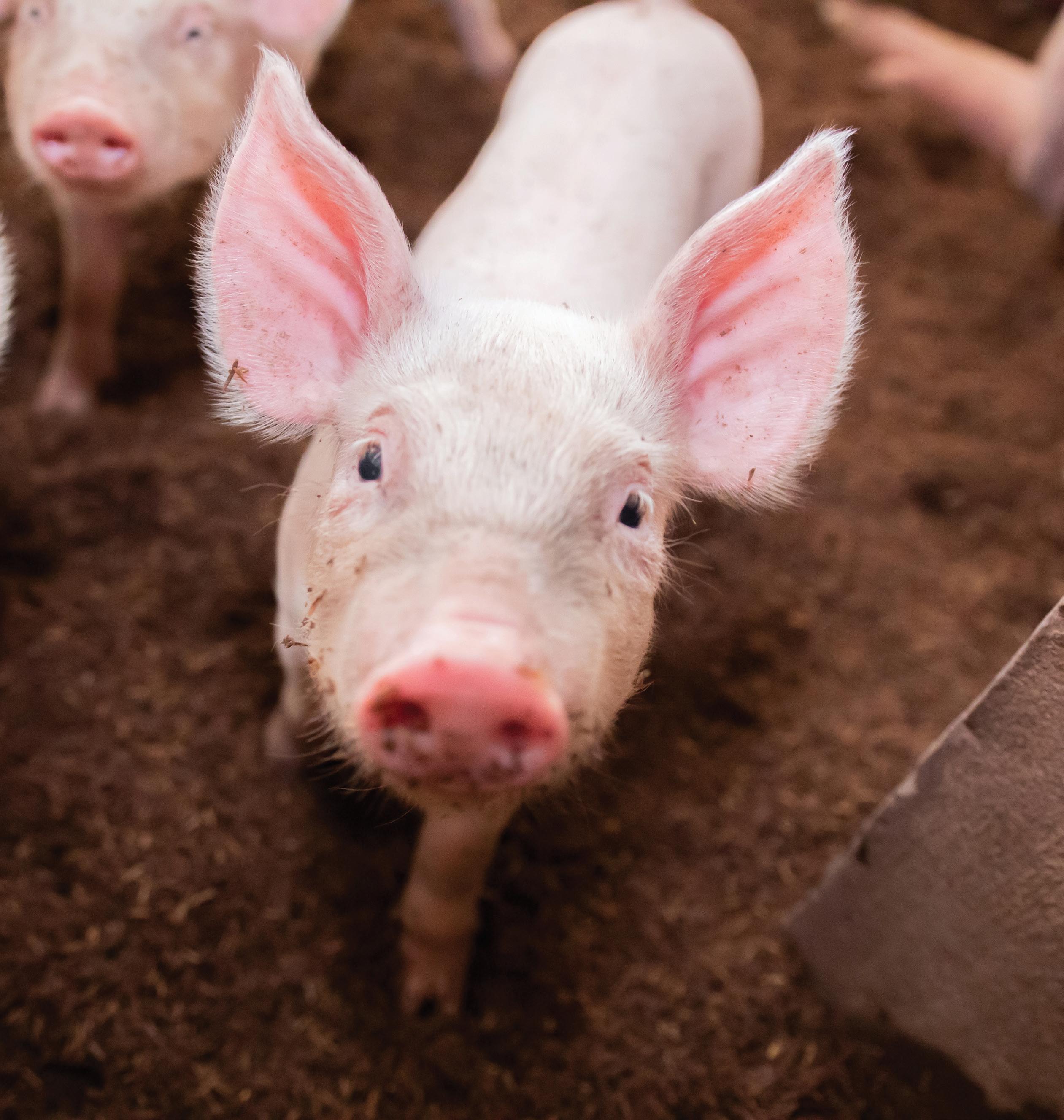
Wouldn’t it be nice if our animals could communicate with us more clearly? After years of working with exotic and domestic animals in zoos and on my small farm, I can understand some basic “animal-speak.” I know my sheep flock’s incessant baaing means they want dinner now. I understand my mare is snapping, “Get that away from me!” when she pins her ears and jerks back from the deworming syringe. But I want to know more!
Unlike humans, who often have no qualms about making their illness symptoms known to others, livestock have a tendency to hide sickness or injury so they don’t get attacked, eaten or bullied. Signs and symptoms of illness can be subtle, particularly early on. A horse with mild colic, for example, might just seem sleepier than usual or yawn more often, while obvious signs like kicking at the belly and frequent rolling accompany more severe colic. A goat with caprine arthritis encephalitis might show only slight swelling in the knees at first; increased swelling and wasting occur as the disease progresses.
It would be so much easier if livestock could just say, “Hey, you know, I think I’m starting to come down with something …,” but instead the burden falls on us to recognize the warning signs of sickness and injury so we can take swift action.
SPOT SIGNS EARLY?
Why is it so critical for livestock owners to stay alert for early signs of illness?
For one, if a contagious disease is detected promptly, you might be able to prevent its spread to the rest of your herd or flock by isolating or culling the infected animal. Also, a number of dangerous diseases, like rabies, salmonella and , can be transmitted from animals to humans.

Cette histoire est tirée de l'édition January - February 2025 de Hobby Farms.
Abonnez-vous à Magzter GOLD pour accéder à des milliers d'histoires premium sélectionnées et à plus de 9 000 magazines et journaux.
Déjà abonné ? Se connecter
PLUS D'HISTOIRES DE Hobby Farms
Hobby Farms
AN HERB TO AVOID IN WINTER
While many culinary herbs are beneficial in winter, some members of the mint family are best to avoid when temperatures dip below 40 degrees Fahrenheit.

1 min
Healthy Hens 2026
Hobby Farms
Golden Girls
Discover some of the most overlooked health issues in aging hens.
6 mins
Healthy Hens 2026
Hobby Farms
Winter Tea Supplement
Several years ago, I noticed that while my healthy hens were robust during the growing season, their health declined a little during winter when they weren’t regularly consuming herbs or other greens.
2 mins
Healthy Hens 2026
Hobby Farms
Cool CHOOKS
Most chicken breeds are pretty hardy, but you can still make them more comfortable by offering them some escape from the summer heat.
7 mins
Healthy Hens 2026

Hobby Farms
Feeding Fowl
What you feed, how you supplement and when you treat will make all the difference for your chickens.
10 mins
Healthy Hens 2026
Hobby Farms
Egg-Eating Hens
Egg-eating hens can be a frustrating and costly problem for backyard chicken-keepers.
6 mins
Healthy Hens 2026

Hobby Farms
Potent PREDATORS
Take precautions, as these 15 marauders can wipe out an entire flock.
12 mins
Healthy Hens 2026
Hobby Farms
15 TOXIC PLANTS
Don't let your chickens eat these common plants.
6 mins
Healthy Hens 2026
Hobby Farms
BUG Off!
Bugs, who needs 'em? Certainly not chicken-keepers, who sometimes struggle to keep pesky flies and poultry parasites at bay.
7 mins
Healthy Hens 2026
Hobby Farms
ALPHA Hens
With or without a flock rooster, one lady always steps up to be the queen.
7 mins
Healthy Hens 2026
Listen
Translate
Change font size