Essayer OR - Gratuit
"We sang, we danced and we all held hands'
BBC History UK
|May 2025
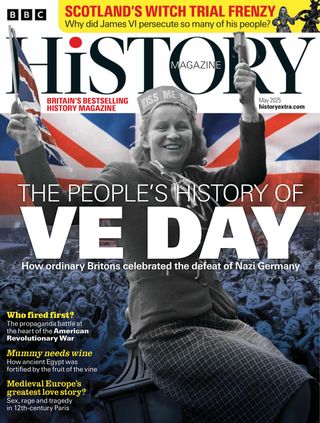
It's 80 years since Britain erupted in joy at the news that the war in Europe was over. But how did those who lived through VE Day remember it? With the help of the BBC WW2 People's War archive, John Willis reveals a day of partying, remembrance and continuing sacrifice
-
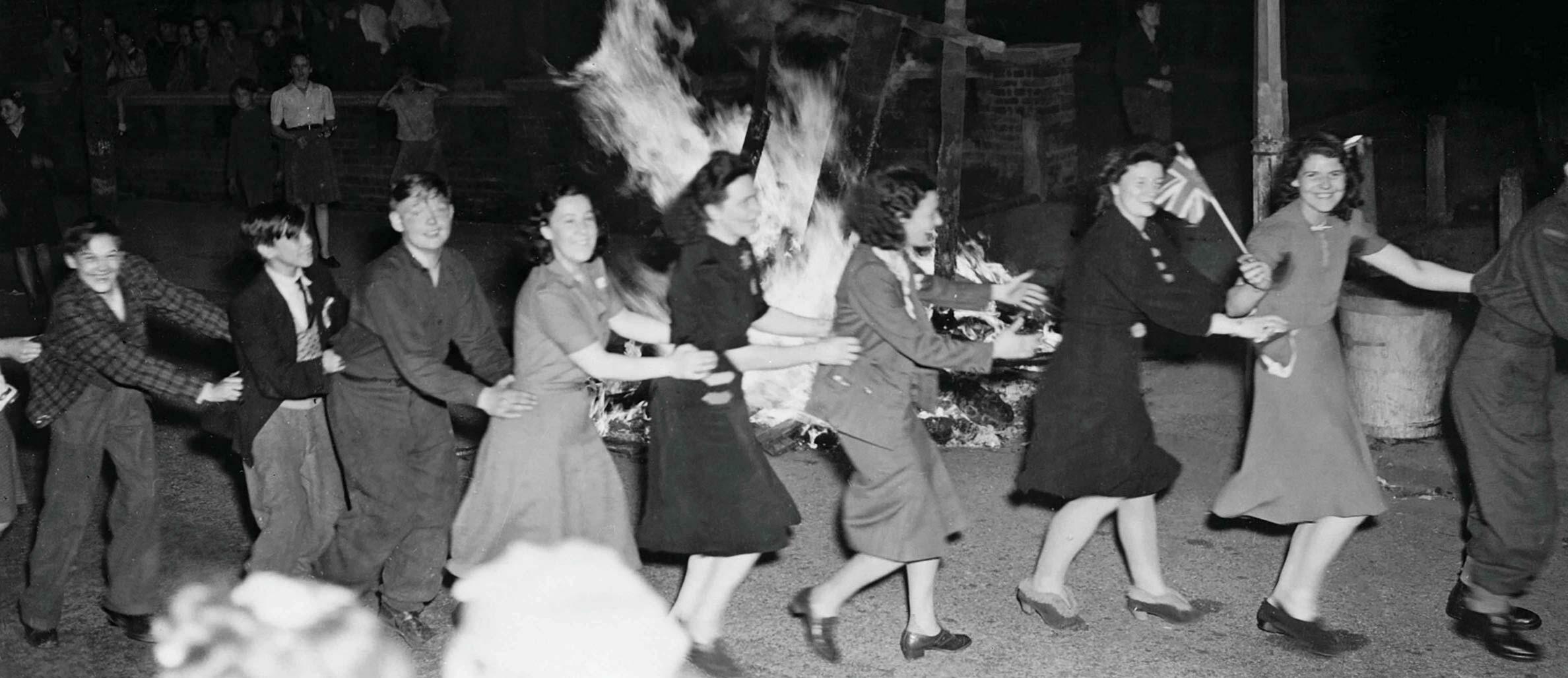
The long and brutal war in Europe was finally over. At 2.41am on 7 May 1945, Germany signed an unconditional surrender agreement at General Eisenhower's HQ in Reims, 80 miles north-east of Paris. Later that day, the BBC announced the news and the first celebrations began.
Prime Minister Winston Churchill declared the following day a national holiday, VE Day (Victory in Europe), and checked the supply of beer was large enough to satisfy the thirst of a happy nation. In Southampton, VE Day opened with a symphony of blaring ships' horns shortly after midnight. Later, beacons blazed, bunting fluttered in the afternoon sun and joyful parties echoed around every corner of Britain. Children tied effigies of Hitler to lampposts or burned the führer on bonfires.
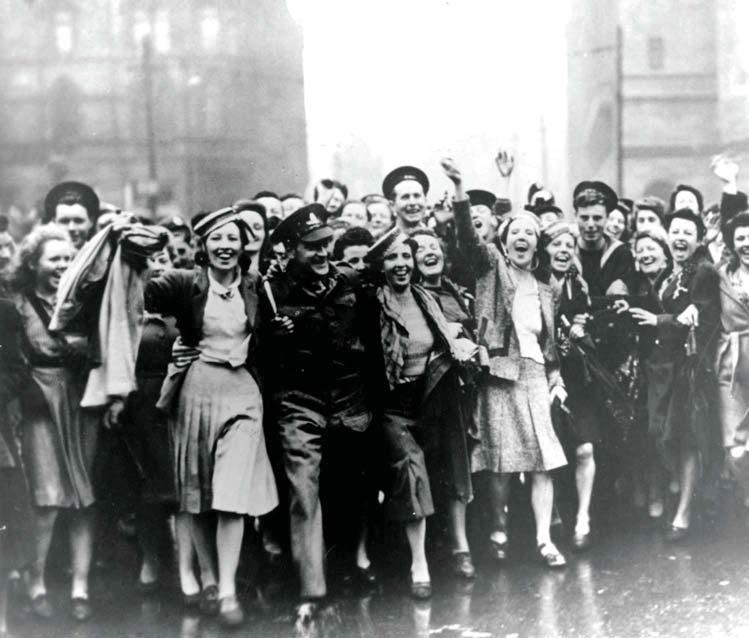 At 3pm, Churchill broadcast from Downing Street: "My dear friends, this is your hour.
This is not a victory for any party or class.
It's a victory of the great British nation as a whole." But Churchill also reminded the partying millions that the conflict was not yet over. A fanatical, undefeated Japan still controlled swathes of territory in the far east.
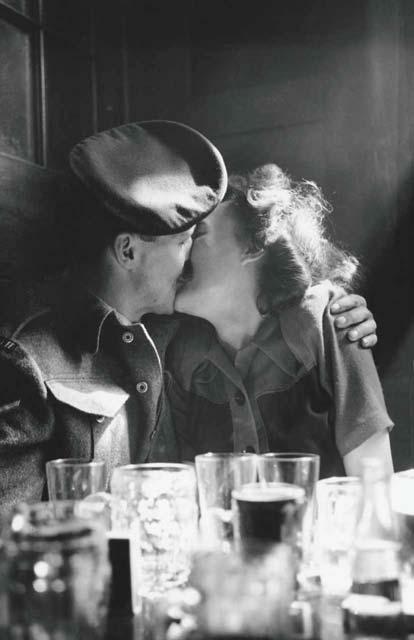
In 2005, the BBC marked the 60th anniversary of VE Day by setting up a huge project called the WW2 People's War. With help from thousands of volunteers, charities, libraries and museums, the corporation collected an astonishing 47,000 testimonies, both from those who had been serving in the armed forces and from the home front. This was not history as seen from the lofty perspective of politicians or generals, diplomats or historians. Rather, the project gathered the memories of ordinary British men and women - a ground-floor history.

Cette histoire est tirée de l'édition May 2025 de BBC History UK.
Abonnez-vous à Magzter GOLD pour accéder à des milliers d'histoires premium sélectionnées et à plus de 9 000 magazines et journaux.
Déjà abonné ? Se connecter
PLUS D'HISTOIRES DE BBC History UK

History Extra
Personal stories
Few shows have enjoyed the longevity of Who Do You Think You Are? and it's easy to understand why it has endured.

1 min
June 2026

History Extra
Tidal change
Southern mythos notwithstanding, there exists no static, exceptional American South.
1 mins
June 2026

History Extra
Marriage story
Emily Howes on her novel about Catherine Dickens' relationship with her famous husband
1 mins
June 2026
History Extra
Sexual her-story
A witty, wide-ranging account of the myths and power structures behind female sexuality impresses SARAH JONES
2 mins
June 2026
History Extra
History man
According to Tom Hanks, during his childhood 'The War' was a recurring topic in the conversations of the adults around him.
1 min
June 2026
History Extra
How to be a master of disguise
10 do's and don'ts when attending a masquerade
2 mins
June 2026
History Extra
Age of indulgence
Our content producer Charlotte Vosper picks episodes of the HistoryExtra podcast about Georgian Britain
1 min
June 2026
History Extra
Gaffer tape
While Bobby Robson and Gareth Southgate both led England to World Cup semi-finals, Alf Ramsey remains the only manager to actually win the trophy.
1 mins
June 2026
History Extra
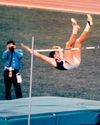
What's the origin of the Fosbury Flop?
Like the Salchow in ice skating, the Fosbury Flop is a sport technique that immortalises the name of its creator.
1 min
June 2026

History Extra
EXHIBITIONS
In 1776, the United States of America was born - heralded by the Declaration of Independence.
1 min
June 2026
Listen
Translate
Change font size