Essayer OR - Gratuit
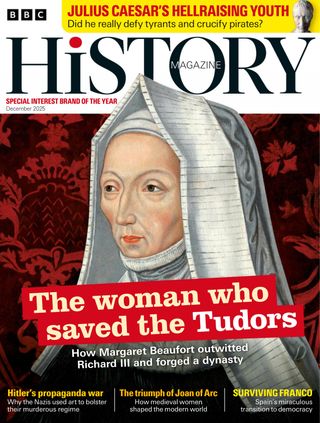
Margaret Beaufort Schemer or opportunist?
BBC History UK
|December 2025
The mother of Henry VII is often characterised as a domineering woman who plotted her son's rise to the throne.
-
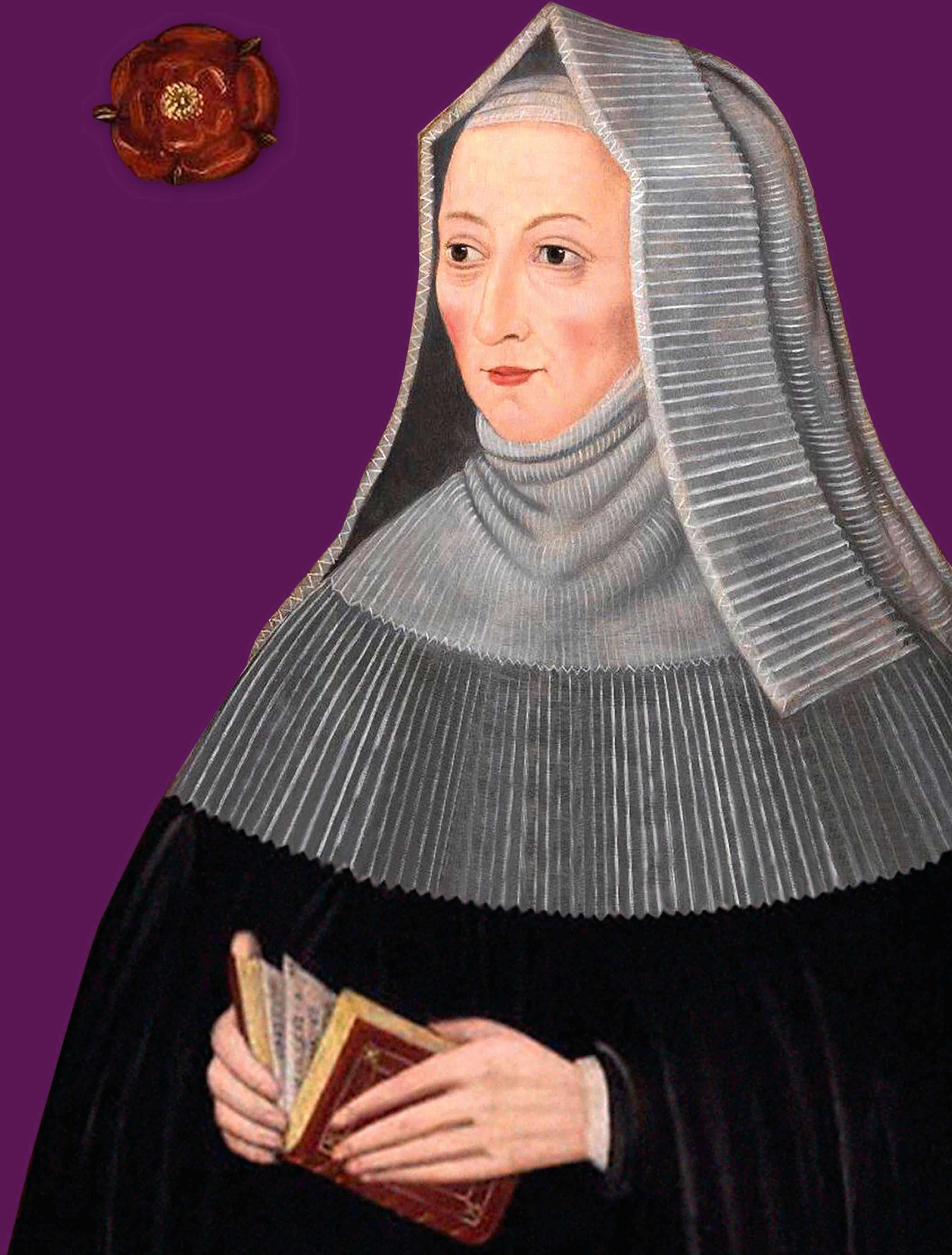
But how true is that depiction?
Lauren Johnson explores the life of the founding matriarch of the Tudor dynasty
In March 1457, a short, slight widow left Pembroke Castle to embark on a 100-mile journey across territories stalked by civil war and pestilence. Her husband had died only four months earlier, carried off by plague contracted during imprisonment at another Welsh castle during the spurts of Yorkist resistance that marked the early Wars of the Roses. It was just weeks since she had given birth - a traumatic labour, endured without her family or support network. But she set out now to Newport with a firm sense of purpose. She would protect herself in one of the only ways a woman could at that time: by finding another husband.
This widow and mother was Margaret Beaufort. She was 13 years old.
The newborn she left at Pembroke would, in 1485, become King Henry VII, the first Tudor monarch. Reading history backwards, it has become fashionable to portray Margaret as an obsessive, Machiavellian mother so consumed by the idea of her son's divine right to the throne that she would commit child murder to bring it about. She, it is insinuated, was the true assassin of the princes in the Tower who threatened the claim of her "good and gracious prince, king and only beloved son". But this interpretation is entirely fictional, and mired in misogynist oversimplification. Margaret did not aspire to a crown, either for her son or herself, until the unprecedented events of the Wars of the Roses made it essential for their survival.
Child bride

Cette histoire est tirée de l'édition December 2025 de BBC History UK.
Abonnez-vous à Magzter GOLD pour accéder à des milliers d'histoires premium sélectionnées et à plus de 9 000 magazines et journaux.
Déjà abonné ? Se connecter
PLUS D'HISTOIRES DE BBC History UK

History Extra
Personal stories
Few shows have enjoyed the longevity of Who Do You Think You Are? and it's easy to understand why it has endured.

1 min
June 2026

History Extra
Tidal change
Southern mythos notwithstanding, there exists no static, exceptional American South.
1 mins
June 2026

History Extra
Marriage story
Emily Howes on her novel about Catherine Dickens' relationship with her famous husband
1 mins
June 2026
History Extra
Sexual her-story
A witty, wide-ranging account of the myths and power structures behind female sexuality impresses SARAH JONES
2 mins
June 2026

History Extra
History man
According to Tom Hanks, during his childhood 'The War' was a recurring topic in the conversations of the adults around him.
1 min
June 2026
History Extra
How to be a master of disguise
10 do's and don'ts when attending a masquerade
2 mins
June 2026
History Extra
Age of indulgence
Our content producer Charlotte Vosper picks episodes of the HistoryExtra podcast about Georgian Britain
1 min
June 2026

History Extra
Gaffer tape
While Bobby Robson and Gareth Southgate both led England to World Cup semi-finals, Alf Ramsey remains the only manager to actually win the trophy.
1 mins
June 2026

History Extra
What's the origin of the Fosbury Flop?
Like the Salchow in ice skating, the Fosbury Flop is a sport technique that immortalises the name of its creator.
1 min
June 2026

History Extra
EXHIBITIONS
In 1776, the United States of America was born - heralded by the Declaration of Independence.
1 min
June 2026
Listen
Translate
Change font size