
Passez à l'illimité avec Magzter GOLD
Obtenez un accès illimité à plus de 9 000 magazines, journaux et articles Premium pour seulement
Essayer OR - Gratuit
Capital ideas
BBC History UK
|August 2025
DONALD SASSOON is won over by a comprehensive study of economic theorists and their ideas, despite some key omissions
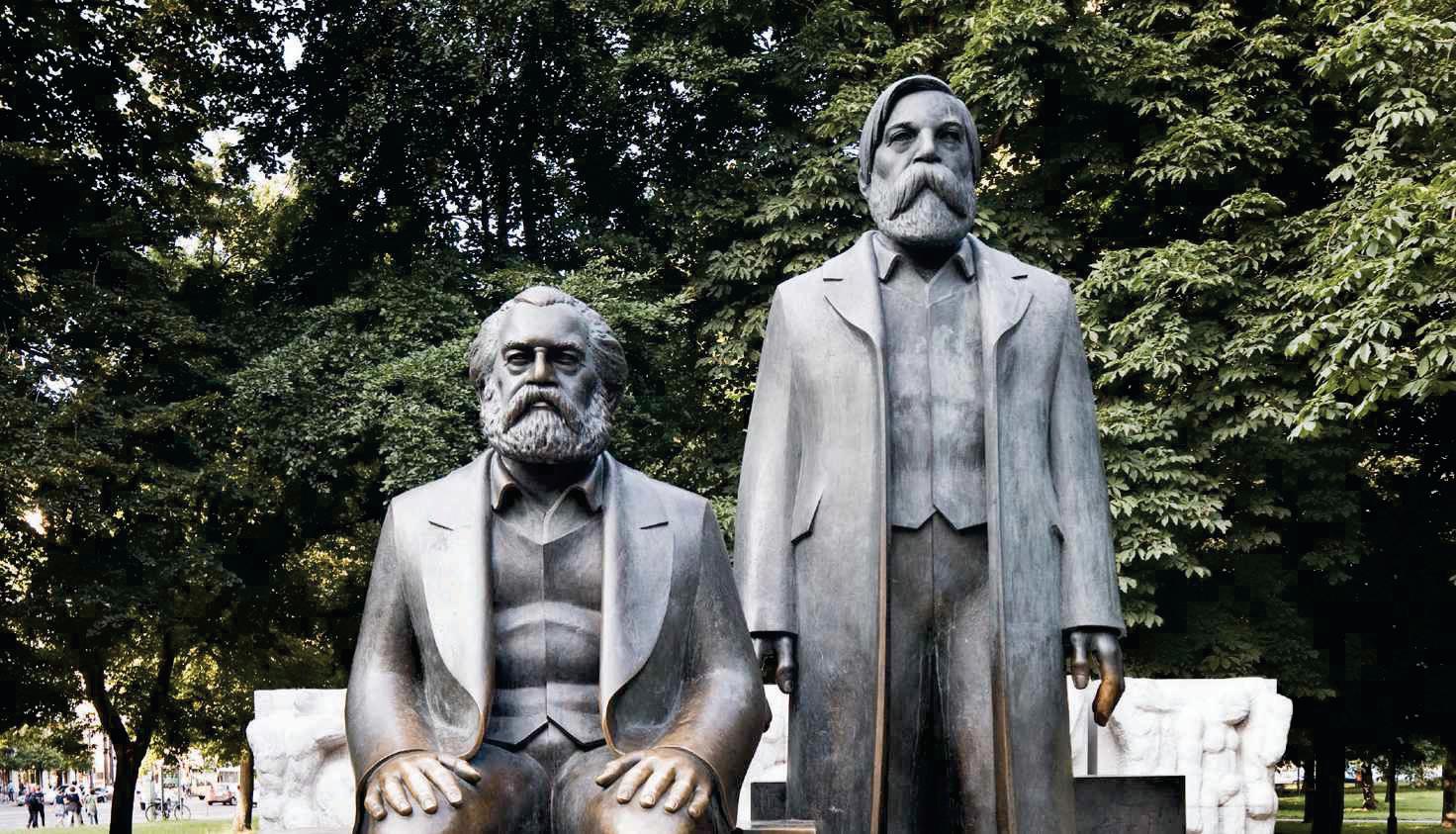
This impressive book - based on an astonishingly wide-ranging reading, and written with adamantine clarity - deals far more with the critics than with capitalism.
These critics fall roughly into three categories. Reactionaries (such as Thomas Carlyle) hark back to a pre-industrial age in which money, trade, commerce and other despicable activities were not so all-important. Revolutionaries (such as Marx, Engels and Rosa Luxemburg) wish to abolish capitalism in favour of a new social system in which the ownership of capital would no longer dominate. The majority, meanwhile, are those who think that capitalism needs reforming in order to improve it or to save it from its self-destructive tendencies - people ranging from Adam Smith (quite rightly not described, as he often is, as an uncritical exponent of laissez-faire capitalism) all the way to John Maynard Keynes. There is also a fourth category: those who analyse capitalism to understand it.

Cette histoire est tirée de l'édition August 2025 de BBC History UK.
Abonnez-vous à Magzter GOLD pour accéder à des milliers d'histoires premium sélectionnées et à plus de 9 000 magazines et journaux.
Déjà abonné ? Se connecter
PLUS D'HISTOIRES DE BBC History UK
History Extra
A treaty transformed North American history
California became American territory just days after gold had been discovered in the Sierra Nevada foothills – and Mexico lost out

3 mins
April 2026
History Extra
England's mistress
Nell Gwyn became famous for her love affair with Charles II, and for her love of drinking, gambling and carousing. Yet, writes Sophie Shorland, this upwardly mobile celebrity was also a canny political operator who wielded substantial power in court
10 mins
April 2026

History Extra
Across history, intellectual life repeatedly becomes suspect when societies fracture
A mistrust of ‘experts’ and ‘intellectuals’ has recently crystallised into US government interventions targeting academic institutions. EMILY KNOX and JOAN SCOTT share their thoughts with Danny Bird about the troubling history of anti-intellectualism
9 mins
April 2026
History Extra
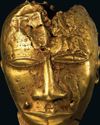
BLOOD AND PLUNDER
It's a tale of slavery, racism and naked imperial power. Barnaby Phillips traces the fate of the exquisite golden treasures looted by British forces from the kingdom of Asante 150 years ago
10 mins
April 2026
History Extra
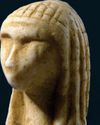
THE FACE FIXATION
From a Stone Age Venus and an Egyptian death mask to an unflinchingly challenging 21st-century sculpture, Fay Bound-Alberti introduces seven depictions of the face that track humanity's ever-evolving relationship with creativity, hierarchy and self-image
9 mins
April 2026
History Extra
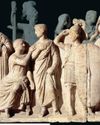
ROME'S PEOPLE POWER
From Romulus's open-city policy to Claudius's reforms, citizenship was used by Rome as both a reward and a weapon. And, as Shushma Malik explains, it enabled the burgeoning empire to build power and define identity
10 mins
April 2026
History Extra
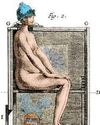
Sex in the city
A study of the understanding and treatment of sexually transmitted disease fascinates
2 mins
April 2026
History Extra
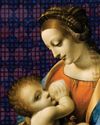
How medieval mothers took back control
In the Middle Ages, the bearing and raising of children defined women's lives. But as Elinor Cleghorn explains, there were women who had other ideas and boldly challenged attitudes towards motherhood
10 mins
April 2026
History Extra
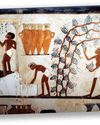
Ancient Egyptian omelette
ELEANOR BARNETT whips up an eggah - a tasty dish that continues to be enjoyed in Egypt to this day
2 mins
April 2026
History Extra
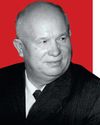
Seventy years ago, Nikita Khrushchev stood before a packed hall in central Moscow and delivered a four-hour denunciation of Josef Stalin, one that exposed mass terror and attempted to reclaim the legacy of Leninism. So what drove this extraordinarily radical move? And did the Soviet people buy Khrushchev's message?
When I was an undergraduate, a perennial exam question was ‘Did Stalin betray the revolution?’.
11 mins
April 2026
Listen
Translate
Change font size