Essayer OR - Gratuit
LEGEND OF THE CRYSTAL BRAIN
Archaeology
|July/August 2025
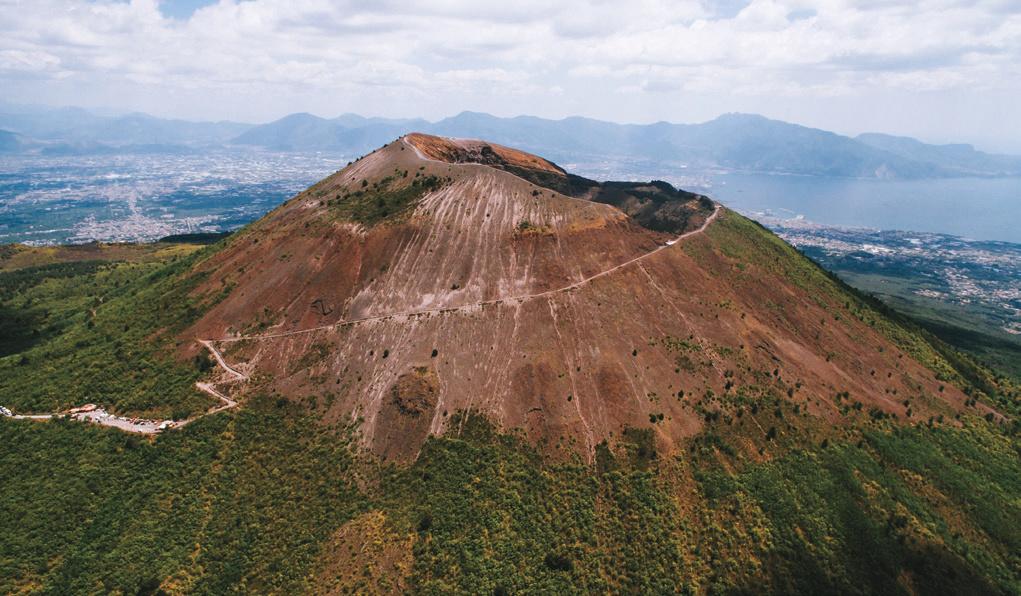
When most people envision the victims of the eruption of Mount Vesuvius in A.D. 79 that destroyed the cities of Pompeii and Herculaneum, they think of the casts of their bodies made by pouring plaster into voids left by their decaying corpses. Yet not all the physical remains of those who perished in the cataclysm decayed. In one case, a remarkable transformation occurred—a man’s brain turned to glass.
-
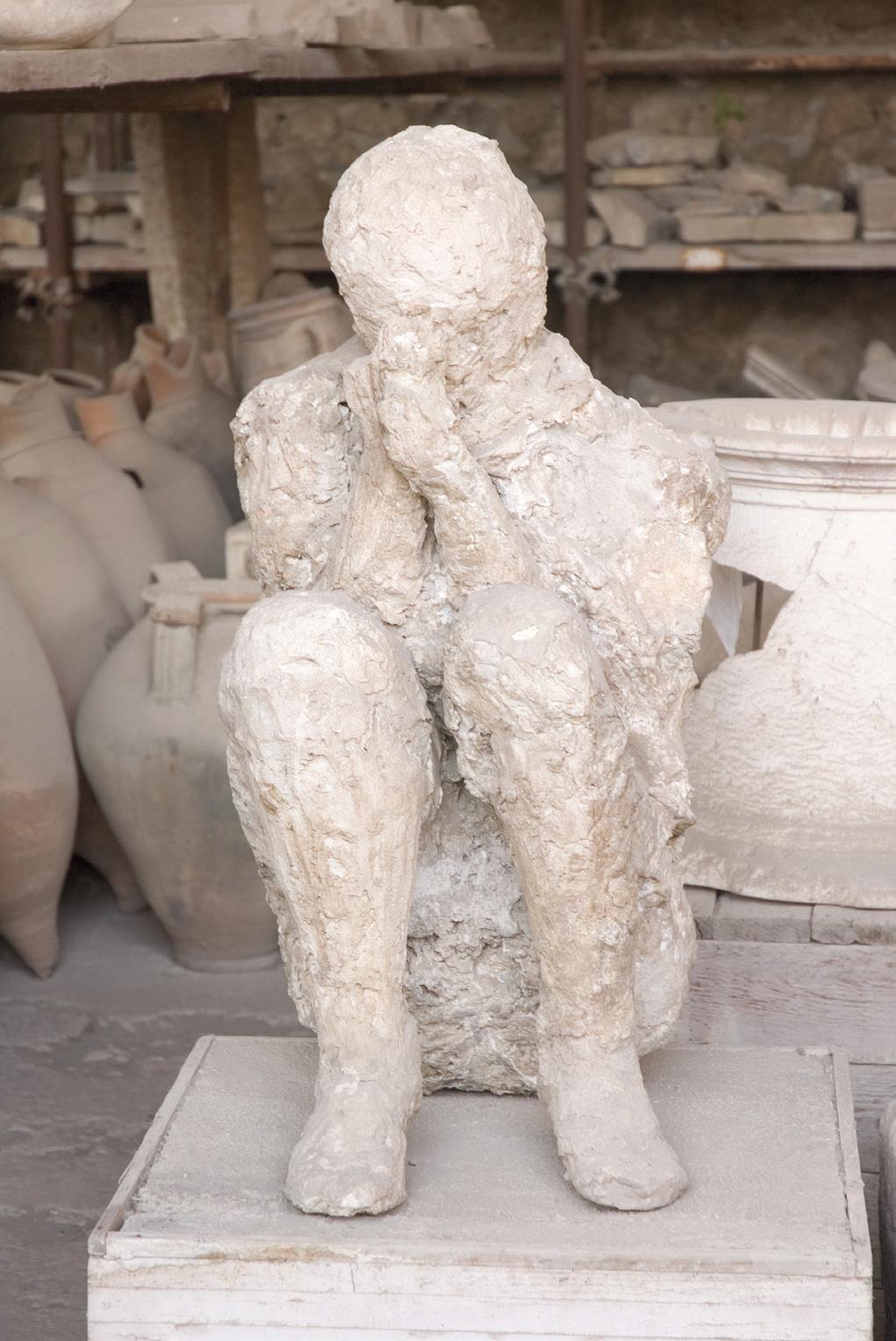
Human tissue is composed largely of water. Thus, explains forensic anthropologist Pier Paolo Petrone of the University of Naples Federico II, when exposed to intense heat, it vaporizes. Exposure to the extreme heat of a volcanic eruption should completely destroy the soft tissue of any living organism in its path. At sites across the world, a relatively small number of human brains have been preserved through saponification, a natural process by which human tissue transforms into triglycerides that are then converted to glycerol and fatty acids, or soap. On rare occasions, human brains have been preserved by dehydration, tanning, or freezing. But, says volcanologist Guido Giordano of Roma Tre University, this is the only example of a vitrified brain—or, indeed, vitrified tissue of any sort—in the archaeological record. Scientists long believed that the only way tissue could become vitrified was by exposure to very low temperatures, or cryopreservation. This was clearly not what occurred during the scorching eruption.

Cette histoire est tirée de l'édition July/August 2025 de Archaeology.
Abonnez-vous à Magzter GOLD pour accéder à des milliers d'histoires premium sélectionnées et à plus de 9 000 magazines et journaux.
Déjà abonné ? Se connecter
PLUS D'HISTOIRES DE Archaeology
Archaeology
THE EGYPTIAN SEQUENCE
Until now, the earliest Egyptians to have even part of their DNA sequenced were three people who lived between 787 and 544 B.C.

1 mins
November/December 2025
Archaeology
SOURCE MATERIAL
As early as 40,000 years ago, some hunter-gatherers in southern Africa ventured long distances to procure special types of stone to make their tools.
1 min
November/December 2025

Archaeology
Secrets of the Seven Wonders
How archaeologists are rediscovering the ancient world's most marvelous monuments
13 mins
November/December 2025
Archaeology
ACTS OF FAITH
Evidence emerges of the day in 1562 when an infamous Spanish cleric tried to destroy Maya religion
12 mins
November/December 2025
Archaeology
OASIS MAKERS OF ARABIA
Researchers are just beginning to understand how people thrived in the desert of Oman some 5,000 years ago
8 mins
November/December 2025
Archaeology
FOSSIL FORCE
One of the planet's most successful arthropods, trilobites, abounded in the oceans from about 520 million to 250 million years ago.
1 min
November/December 2025
Archaeology
BIGHORN MEDICINE WHEEL, WYOMING
Perched almost 9,700 feet above sea level on Medicine Mountain in Wyoming's Bighorn Range, the Medicine Wheel is an 80-foot-diameter circular structure made from limestone boulders.
2 mins
November/December 2025
Archaeology
ANCIENT LOOK BOOK
A young woman buried in China's Tarim Basin some 2,000 years ago went to the afterlife accompanied by the height of fashion.
1 mins
November/December 2025
Archaeology
A FAMILIAR FACE
In the early eleventh century, a landslide on the island of Ostrów Lednicki in western Poland caused a hillfort to collapse and slip to the bottom of Lake Lednica.
1 min
November/December 2025
Archaeology
Temples to Tradition
A looted cache of bronzes compels archaeologists to explore Celtic sanctuaries across Burgundy
13 mins
November/December 2025
Listen
Translate
Change font size