Essayer OR - Gratuit
ROME'S MOST-HATED TYRANT? NERO
All About History UK
|Issue 156
Discover the real story behind one of the ancient world's most notorious emperors
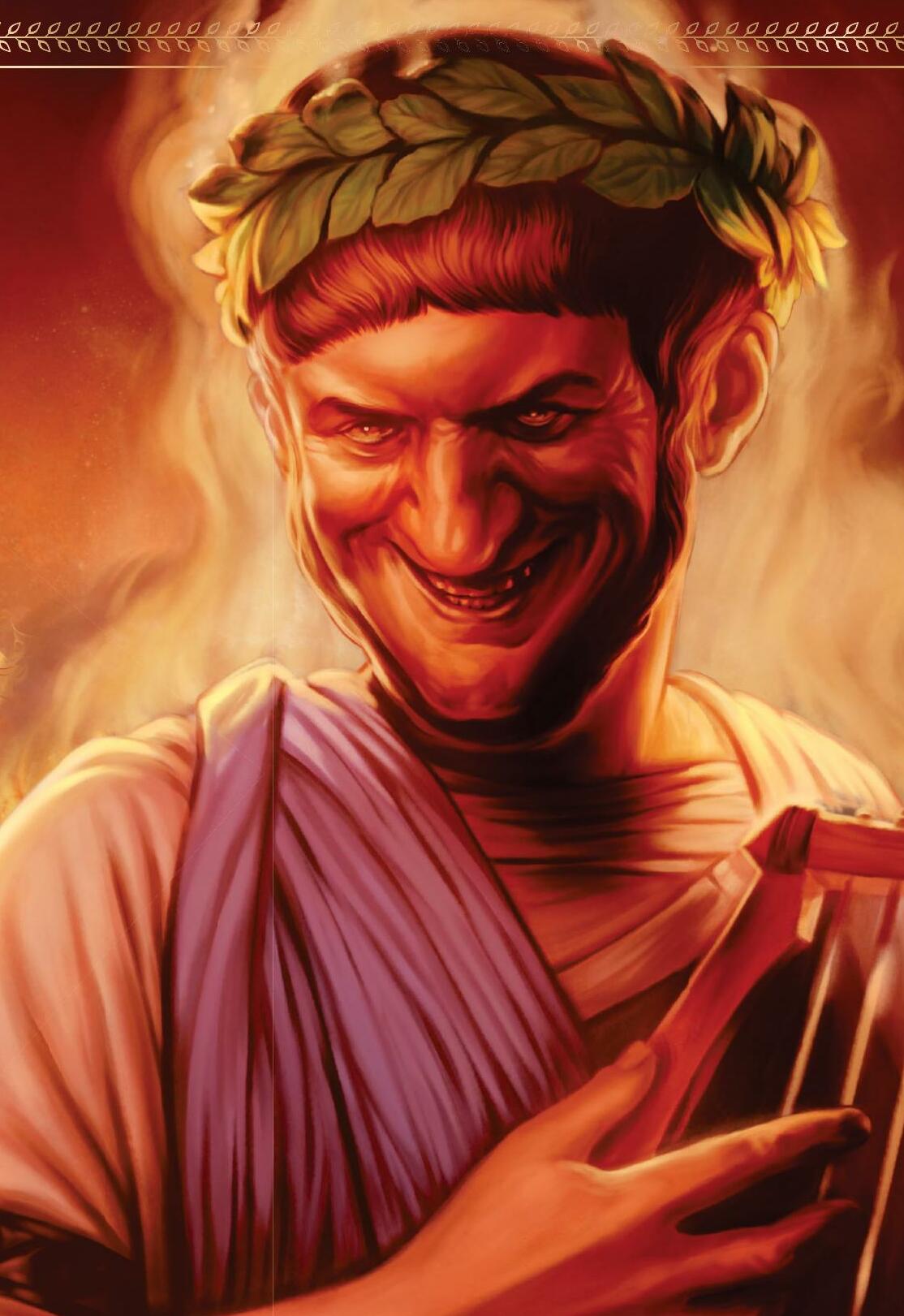
On 9 June 68 CE, Emperor Nero cowered in a villa outside Rome watching his companions build his pyre and prepared to take his own life. Observing them bustle about with wood and water, he wept and sighed: "What a great artist dies with me!" With Nero died not just an artist but also an emperor and his entire dynasty, and he left behind a reputation as the very worst of a bad bunch of rulers. He had all the hallmarks of a terrible emperor: he killed indiscriminately, he lived extravagantly, he was profligate with money and sex, and refused to engage in any proper Roman activities. But his worst crime, as far as the Romans were concerned, was to get on stage and sing. In this, he insulted their honour and their masculinity and made them pay homage to an actor. For this they could never forgive him.
Nero ascended to the Roman throne in October 54 CE aged 17. To get him there his mother, Agrippina, had married her uncle Claudius, persuaded him to disinherit his biological son and adopt hers, taken control of his reign and then murdered him with a poisoned mushroom. As happened with every new emperor, the Senate and people of Rome received the change of regime from Claudius to Nero with great rejoicing, hoping as ever that this time they might get a good one. And Nero's early years were promising. Still effectively a child, he left the hard work of government to his grown-up advisors and focused himself on punishing his family for existing. Most of the first five years of Nero's reign were taken up with the announcement of very popular policies in public, like publishing taxes for the first time so people knew what they owed, punctuated with high drama in private.
The first sign that all would not be well under Nero came just a year into his rule, when he poisoned his adopted brother - and presumed heir - Britannicus at a dinner party in front of dozens of witnesses.
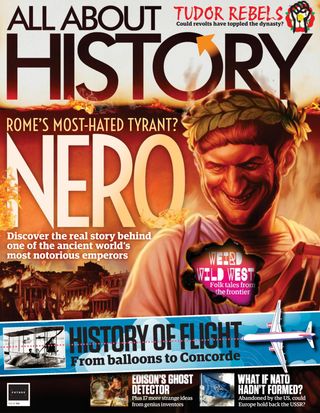

Cette histoire est tirée de l'édition Issue 156 de All About History UK.
Abonnez-vous à Magzter GOLD pour accéder à des milliers d'histoires premium sélectionnées et à plus de 9 000 magazines et journaux.
Déjà abonné ? Se connecter
PLUS D'HISTOIRES DE All About History UK

All About History UK
73 EASTING
SOUTHEASTERN IRAQ 26-27 FEBRUARY 1991

10 mins
Issue163

All About History UK
MARIE ANTOINETTE: FASHION ICON
A new exhibition explores the enduring style of the infamous 18th-century French queen
2 mins
Issue163
All About History UK
INK! FROM THE AGE OF EMPIRE TO BLACK POWER, THE JOURNALISTS WHO TRANSFORMED BRITAIN
Bringing seven fascinating voices back into the limelight
1 mins
Issue163

All About History UK
THE HURRICANE
Does this story of unjust incarceration stick to the evidence?
1 min
Issue163
All About History UK
JANE AUSTEN'S ENGLAND
How Regency romance, society and family bonds inspired one of the nation's greatest authors
14 mins
Issue163

All About History UK
THE VALUE OF SPICES
Roger Crowley explains how spices transformed the world and why they were such a valuable commodity
4 mins
Issue163
All About History UK
EL GENERALISIMO
A new biography explores the life of Francisco Franco - the dictator who ruled Spain for 39 years
1 min
Issue163

All About History UK
Founder of the Persian Empire
How Cyrus the Great forged his kingdom using force and smart administration of his government
8 mins
Issue163
All About History UK
PORTUGUESE NAU
Portugal 14th - 16th century
2 mins
Issue163

All About History UK
LEMON SYLLABUB
ENGLAND, 16-19TH CENTURY
1 mins
Issue163
Listen
Translate
Change font size