Essayer OR - Gratuit
The Renaissance of Heritage Textiles
Textile Value Chain
|September 2025
Heritage textiles are traditional methods of producing fabrics, often used in home décor, saris, and dress materials. These techniques have been passed down through generations, preserving time-tested craftsmanship.
-
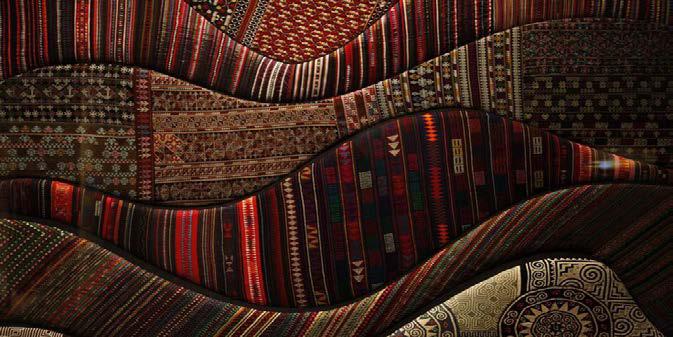
In India, every state boasts its own distinctive heritage textiles, such as:
- Banaras Silk, Chanderi, Khandua, Sambalpuri, Kanchipuram Silk, Dhakai Muslin
- Chikankari, Phulkari, Bandhani, Kantha Stitch, Gota Patti, Kota Doria
- Muga Silk, Eri Silk, Baluchari, Jamdani, among many others
Each of these textiles reflects a unique cultural identity, fashion expression, and regional tradition. Heritage weaving often involves highly skilled manual techniques.
Meaning of Heritage Textiles
Heritage textiles are traditional fabrics and weaving/printing techniques that carry cultural, regional, and historical value. Examples:
- India: Banarasi, Ikat, Jamdani, Kanchipuram silk, Kalamkari.
- China: Brocade, Silk embroidery.
- Japan: Kimono silk, Shibori dyeing.
- Middle East: Persian carpets, Ikat.
- Europe: Scottish tartan, French lace.
They are often handmade, rich in symbolism, and deeply tied to community identity.
Why Revival is Needed
- Loss of traditional skills: Younger generations are moving away from handlooms.
- Industrialisation: Power looms and fast fashion replaced handmade products.
- Global demand shifts: People often choose cheaper synthetic textiles over
Sustainability concerns: Traditional methods are eco-friendly compared to modern textile pollution.
- Cultural preservation: Heritage textiles carry stories of communities and must be safeguarded.
Revival of Heritage Textiles
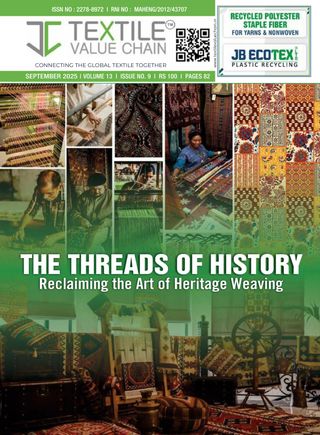

Cette histoire est tirée de l'édition September 2025 de Textile Value Chain.
Abonnez-vous à Magzter GOLD pour accéder à des milliers d'histoires premium sélectionnées et à plus de 9 000 magazines et journaux.
Déjà abonné ? Se connecter
PLUS D'HISTOIRES DE Textile Value Chain

Textile Value Chain
The New Age of Men's Tailoring: From Bespoke to Hybrid Models
Part 1 of the Series: The Evolving World of Men's Tailored Wear

4 mins
January 2026

Textile Value Chain
The Textile Landscape of 2025: A Year of Transformation
Navigating Policy Reforms, Trade Agreements, and Global Events
5 mins
January 2026

Textile Value Chain
Recycled Fibres vs Virgin Fibres: The Real Cost, Footprint & Business Opportunity
For decades, the textile industry asked only one question when choosing raw material:
3 mins
January 2026

Textile Value Chain
2025 in Perspective: A Stronger, Cleaner, Smarter Future for Textiles
The year 2025 reminded the textile and apparel sector that resilience now matters more than pace.
5 mins
January 2026

Textile Value Chain
Heimtextil as a Working lab for Sutlej and its Customers
When the global home textiles industry gathers in Frankfurt this January, Sutlej Textiles is approaching Heimtextil with a clear intent: to treat the fair less as a product parade and more as a live development lab with its buyers and partners.
4 mins
January 2026

Textile Value Chain
Weaving Heritage into Future: A Conversation with Ms Roop Rashi Mahapatra
In an era where fast fashion dominates the global textile landscape, Khadi stands as a timeless symbol of India's heritage, sustainability, and self-reliance.
11 mins
January 2026

Textile Value Chain
Home Textiles: Ever-growing Market to Evergreen Product Source
Indian Home textiles have always enjoyed a special market position, and demand continues to increase, capturing a premium to the budgeted market across different markets, but with one constant hunger for extraordinary design, a super comfortable feel, and the appeal of sophistication, along with changing market dynamics.
4 mins
January 2026

Textile Value Chain
The Velvet Revolution: How This Timeless Fabric is Redefining Modern Textiles
When you run your hand across velvet, something happens.
3 mins
January 2026

Textile Value Chain
SPGPrints Achieves Landmark Success at ITMA ASIA 2025 With Transformative Textile Printing Technology and Key Order Closures
SPGPrints, the global leader in innovative textile printing solutions, announced an overwhelmingly successful participation in ITMA ASIA 2025 at the Singapore Expo.
2 mins
January 2026

Textile Value Chain
Development of Home Textile Products from Post-Consumer Textile Waste
With the growing concern over textile waste and its environmental impact, sustainable approaches for fabric reuse are urgently needed.
5 mins
January 2026
Listen
Translate
Change font size