
Passez à l'illimité avec Magzter GOLD
Obtenez un accès illimité à plus de 9 000 magazines, journaux et articles Premium pour seulement
Essayer OR - Gratuit
Get cracking with eggs.
The Country Smallholder
|June 2023
Paul Donovan investigates the biology of an egg which is a marvel of nature
-

One of the greatest marvels of nature is the egg, for it encapsulates the DNA and genetic coding for the future offspring in a self-contained sphere, which is protected with a hard outer shell of calcium. The egg is the developing embryos life support system.
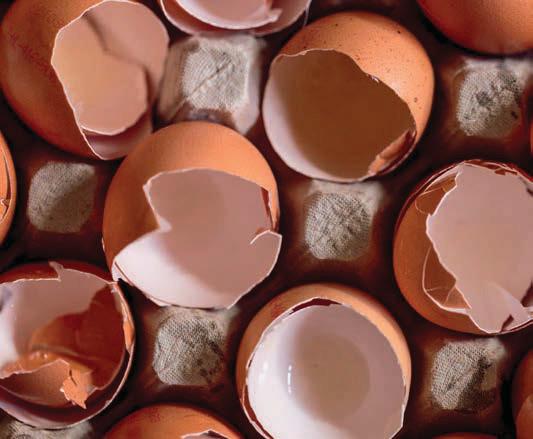
Once the egg has been laid, the female will then sit on it, keeping it warm and turning it throughout the incubation period. Within this hardened protective shell are all the nutrients the developing chick requires to grow through the duration of the incubation period and, the first few days following hatching.
If the egg has been fertilised, the developing embryo sits on top of the yolk. As the embryo begins to develop it gradually absorbs the yolk and some of the albumen. It will also draw on some of the calcium inside the shell for the formation of its skeletal system. Waste products are collected in a sac called the allantois, and the exchange of carbon dioxide and oxygen occurs through the eggshell. During the final few days, the chick will absorb what remains of the yolk into its abdomen. This will give it sufficient nutrients to tie it over as it begins to learn how to forage, and begins to determine what it can eat. (That's why newly hatched chicks can be in a hatcher or under a broody for at least 24 hours to recover before needing food).
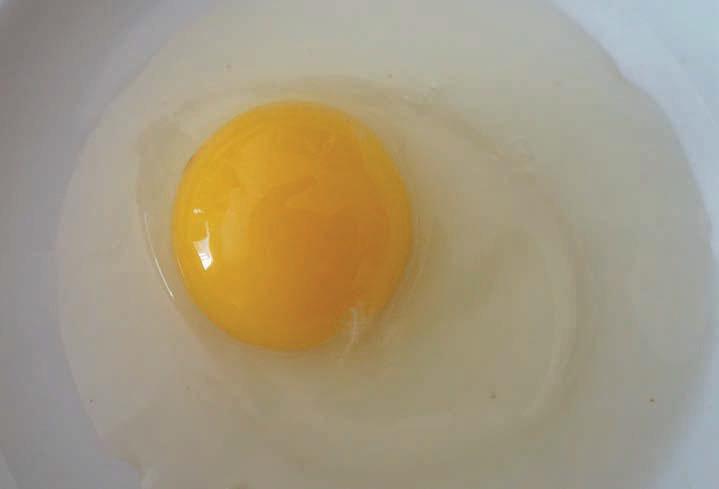
STAGES OF DEVELOPMENT
From the time the oocyte is released from the hen's ovary (known as ovulation), to the point where the egg is laid, takes about 24 hours. There are various stages which the new egg must go through in order for it to emerge in the form as we know it.


Cette histoire est tirée de l'édition June 2023 de The Country Smallholder.
Abonnez-vous à Magzter GOLD pour accéder à des milliers d'histoires premium sélectionnées et à plus de 9 000 magazines et journaux.
Déjà abonné ? Se connecter
PLUS D'HISTOIRES DE The Country Smallholder
The Country Smallholder
Making sure you put enough nutrition into your dairy goat to support her milk production
Sarah Day, nutritionist for Small Holder Feed offers feeding advice for your dairy goats to help them be happy, healthy and milky animals.

6 mins
March 2026
The Country Smallholder
Welcoming the very start of the spring season
Henrietta Balcon makes the most of the new crop rhubarb
2 mins
March 2026
The Country Smallholder
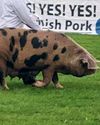
Starting with Pigs - before you start
Linda Aldous outlines what you need to do before anything porcine arrives on your smallholding
3 mins
March 2026
The Country Smallholder
Insurance to protect livestock - and your peace of mind
Looking ahead to a busy 2026 for Pedigree Sales, farmers and breeders will be preparing their livestock for the upcoming markets
2 mins
March 2026
The Country Smallholder
Getting Your Electric Fence Spring-Ready: Expert Q&A
As Spring arrives, it’s the perfect time to give your electric fence some attention. Based on questions we discuss regularly here at www.electricfencing.co.uk, here’s a list of the checks you should be carrying out now, and why they matter.
2 mins
March 2026

The Country Smallholder
Check your kit for the busy seasons ahead
Agricultural journalist, and machinery writer Jane Brooks, joins us for her regular look at the world.
4 mins
March 2026
The Country Smallholder
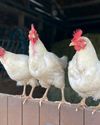
Flock together: is now the right time to add more hens?
Andy Hill explains how to integrate birds into a flock without feathers flying
4 mins
March 2026
The Country Smallholder
The secrets behind maximising incubator hatch rates
Buying quality point of lay hens can be an expensive proposition these days (even if you can find a local source of the breed that you want). Incubating fertilised eggs can save a great deal of money and make many more breeds accessible. If you already keep poultry that includes a cockerel, an incubator means that you can hatch their eggs either to increase your flock or to sell. Hugh & Fiona Osborne have been using incubators for many years and have learned that getting a good hatch means attention to detail.
7 mins
March 2026
The Country Smallholder
Making choices for your chicks
Victoria Roberts BVSc MRCVS says Natural and Artifical Incubation are not an either/or choice
5 mins
March 2026
The Country Smallholder
An appetite for asparagus
Our Experts answer your questions
1 mins
March 2026
Translate
Change font size