Essayer OR - Gratuit
WATER WISE
Down To Earth
|February 01, 2021
FARMERS IN A TAMIL NADU VILLAGE WERE ABLE TO MITIGATE CLIMATE CHANGE IMPACTS BY BUDGETING WATER AND DIVERSIFYING CROPS

AGRICULTURE HAS become one of the most vulnerable sectors to the impacts of climate change. India is no exception. Any negative variation affects the country’s food and nutrition security, especially for the poor. A large segment of our cultivators are small and marginal farmers who have a low level of literacy, large families, poor financial stability, inadequate technical guidance and less scope for credit and financial support. They are also affected by the unpredictable and varying rainfall, degenerating soil quality, drought, reluctance to switch over to alternative crops, high dependence on informal sources of finance, poor storage facilities and a very low bargaining capacity. Therefore, it is not easy for farmers to easily adapt to the growing impacts of climate change.
Since climate change impacts are felt at multiple levels, the response also needs to be made at multiple levels—with strategic interventions at each level. A crucial intervention is related to water budgeting, which is the process of judiciously rationing water for humans, livestock, agriculture and industries in the context of climate change and water scarcity. It ensures optimum and efficient use of water.

Cette histoire est tirée de l'édition February 01, 2021 de Down To Earth.
Abonnez-vous à Magzter GOLD pour accéder à des milliers d'histoires premium sélectionnées et à plus de 9 000 magazines et journaux.
Déjà abonné ? Se connecter
PLUS D'HISTOIRES DE Down To Earth

Down To Earth
Bitter pill
THE WEB SERIES PHARMA EXPOSES HARSH TRUTHS OF THE PHARMACEUTICAL INDUSTRY, WHERE PROFIT OFTEN BECOMES MORE IMPORTANT THAN HUMAN HEALTH

3 mins
January 16, 2026
Down To Earth
CHAOS IN-DEFINITION
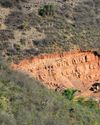
The Aravallis are perhaps India's most litigated hill range. More than 4,000 court cases have failed to arrest their destruction. The latest dispute concerns a narrow legal definition of this geological antiquity, much of which has been obliterated by mining and urban sprawl. While the Supreme Court has stayed its own judgement accepting that definition, it must see the underlying reality and help reconcile development and national security with conservation.
19 mins
January 16, 2026

Down To Earth
BITS: INDIA
Indore has recorded 16 deaths and more than 1,600 hospitalisations between December 24 and January 6.
1 min
January 16, 2026
Down To Earth
GUARANTEE EXPIRES
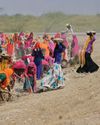
India's rural employment guarantee law is replaced with a centrally controlled, budget-capped scheme. Is this an attack on the right to work?
3 mins
January 16, 2026
Down To Earth
BLOOM OR BANE
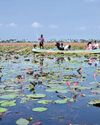
Surge of vibrant pink water lilies in Kuttanad, Kerala, provides socio-economic benefits, but the plant's ecological impacts must be understood
4 mins
January 16, 2026
Down To Earth
INVISIBLE EMPLOYER
Field and academic evidence shows sharp falls in casual agricultural employment at places where groundwater access declines
3 mins
January 16, 2026
Down To Earth
Schemed for erasure
Does the VB-G RAMG Act address structural weaknesses long observed in MGNREGA's implementation?
10 mins
January 16, 2026

Down To Earth
School of change
An open school in Panagar, Madhya Pradesh, aims to protect children of tribal settlements from falling into the trap of addiction
2 mins
January 16, 2026

Down To Earth
PULSE OF RESILIENCE
As a climate-ready crop, cowpea shows potential for widespread use in India
3 mins
January 16, 2026
Down To Earth
BITS GLOBAL
Britain recorded its hottest and sunniest year ever in 2025, the country's meteorological office said on January 2.
1 min
January 16, 2026
Translate
Change font size