Essayer OR - Gratuit
THE EXPLAINER WHY DO WE SLEEP?
BBC Focus - Science & Technology
|October 2020
Q&A:

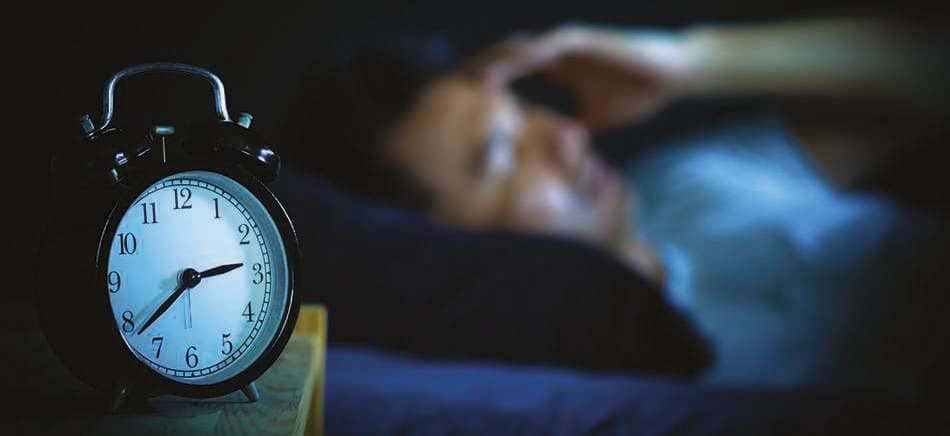
Sleep is a state of altered consciousness in which we become less aware of what’s going on around us. Sleep can take different forms in different animals. Dolphins, for example, sleep just half a brain at a time, and can even continue to swim while asleep.
For humans, sleep involves four stages, called N1, N2, N3 and rapid eye movement (REM). N1 is the lightest stage of sleep. It usually occurs right after you fall asleep, and typically lasts less than 10 minutes. During N2, you sink deeper into sleep. This stage is characterised by brief, high-amplitude brainwaves called ‘K-complexes’ and bursts of lower amplitude waves called ‘sleep spindles’. The N3 stage is the deepest stage of sleep, and is characterised by slow brain waves called delta waves. Finally, during REM sleep your brain activity and breathing rate speed up, and your eyes move quickly in lots of directions. Our most vivid dreams tend to occur in REM sleep, and our brain paralyses our muscles so that we’re unable to act them out. During the night, we continually cycle through these four sleep stages, with a full cycle taking around 90 minutes in adults.
HOW MUCH SLEEP DO WE ACTUALLY NEED?

Cette histoire est tirée de l'édition October 2020 de BBC Focus - Science & Technology.
Abonnez-vous à Magzter GOLD pour accéder à des milliers d'histoires premium sélectionnées et à plus de 9 000 magazines et journaux.
Déjà abonné ? Se connecter
PLUS D'HISTOIRES DE BBC Focus - Science & Technology

BBC Science Focus
DOES MY DOG HAVE ADHD?
Officially, Attention-Deficit Hyperactivity Disorder (ADHD) is a human condition. People are diagnosed with it. Dogs are not. Yet many of its core features, including hyperactivity, impulsivity and distractibility, can be found in dogs.

1 min
March 2026
BBC Science Focus
DOES MY BRAIN LIVE A LITTLE IN THE PAST?
Yes, your brain does live a little in the past. It can't help it. The information it receives via your senses is always a little out of date. Whether it's light entering the retinas in your eyes, or sounds vibrating the hairs in your ears, it not only takes time for the data to arrive, but your brain then has to process it.
2 mins
March 2026
BBC Science Focus
ASTRONOMY FOR BEGINNERS
RETURN OF THE EVENING STAR (VENUS)
1 mins
March 2026

BBC Science Focus
CAN YOU STOP YOUR SENSE OF TASTE DULLING AS YOU AGE?
Sometimes I hear people say that food just doesn't taste the same as they get older. It's tempting to blame this on age, but there are other factors at play, too.
1 mins
March 2026
BBC Science Focus
MICROBIOMES OF THE SUPERAGERS
BY STUDYING THE INCREASING NUMBER OF PEOPLE WHO ARE LIVING BEYOND THEIR 100TH BIRTHDAYS, SCIENTISTS ARE DISCOVERING THAT THE SECRET TO REACHING A RIPE OLD AGE IN RUDE HEALTH MIGHT LIE IN OUR GUTS
8 mins
March 2026

BBC Science Focus
HOW BIG WERE MEDIEVAL WAR HORSES?
You might picture knights charging into battle on towering steeds, but medieval horses were typically no bigger than modern-day ponies.
1 min
March 2026

BBC Science Focus
FORCES OF HABIT
Could new research on setting up healthy habits resuscitate those stuttering New Year resolutions?
3 mins
March 2026

BBC Science Focus
5 DANGERS HIDING IN YOUR PROCESSED FOOD
We all know that ultra-processed foods are bad for us, but what ingredients should we particularly try to avoid? And what are they doing to our bodies?
9 mins
March 2026
BBC Science Focus
Mosquitoes are becoming thirstier for human blood
Habitat loss may be pushing mosquitoes towards human hosts with deadly consequences
1 mins
March 2026

BBC Science Focus
HOW CAN I GET OVER MY EX?
Relationship breakups can be brutal, just look at the popularity of songs like 'Someone Like You' by Adele, or all the covers of 'Cry Me a River' by Julie London.
1 mins
March 2026
Translate
Change font size