
Passez à l'illimité avec Magzter GOLD
Obtenez un accès illimité à plus de 9 000 magazines, journaux et articles Premium pour seulement
Handsome was as handsome did
The Field
|January 2020
Before the Victorians created the concept of pedigree, working dogs were defined by their purpose and bred accordingly

There’s something so solid, so reassuring, about a labrador that it is hard to appreciate that there was a time when they didn’t exist. You can almost imagine Julius Caesar, black lab at heel, walking to the Forum. He didn’t, of course. Designed in Victorian England and patented in 1904, the labrador is a relatively new creation, only as old as the breech-loading shotgun that the first labradors were bred to work with.
Most of our familiar gundog breeds were developed and refined in the 19th century, while the very idea of a breed was a later development. Ciara Farrell, the Kennel Club’s library and collections manager, explained the concept of pedigree succintly: “Pedigree, in the strict modern sense, developed from the mid-19th century onwards. It involves adherence to having a detailed breed standard and documented proven ancestry. The definition is much looser before the mid-19th century, so I find it useful to say ‘breed type’ rather than ‘breed’ – still, these breed types were distinct from each other and controlled selective breeding took place.”
Distinct types of gundog and prototype gundogs have existed for centuries. They became increasingly distinct from the late-18th century onwards with the rising popularity of sporting shooting as a leisure activity. Pointing dogs had long been used around the Mediterranean for hunting quail and partridges, so these pointing breeds became the original gundogs. The first pointers imported to England from Spain in the 16th century looked very much like the pointers we know today, though heavier and more ponderous. They were crossed with greyhounds to give more speed and foxhounds to improve their scenting ability (a risky business, as foxhounds follow a ground scent while pointers and setters are air scenting). Ruthless selective breeding led to not only effective working dogs but a specific type or appearance being established.
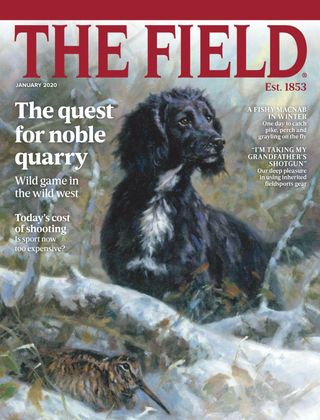

Cette histoire est tirée de l'édition January 2020 de The Field.
Abonnez-vous à Magzter GOLD pour accéder à des milliers d'histoires premium sélectionnées et à plus de 9 000 magazines et journaux.
Déjà abonné ? Se connecter
PLUS D'HISTOIRES DE The Field

The Field
The Holland & Holland Edition by Overfinch
This exquisitely detailed bespoke Range Rover is built for the field and showcases the best in fine British craftsmanship

3 mins
January 2026

The Field
Digging into terrier breeds
From the Jack Russell to the Australian to the Czesky, every one of the 27 recognised terrier types is either native British or has British ancestry
3 mins
January 2026

The Field
100 O years of The Browning B25 Superposed
Often imitated but rarely bettered, Browning's B25 Superposed is among the most influential and enduring shotgun designs in gunmaking history
8 mins
January 2026
The Field
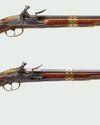
A princely pair
Probably built for the Prince of Lobkowicz and dating to 1727, these handsome flintlocks boast both Spanish and Austrian influence
3 mins
January 2026
The Field
Adventure in a bottle
From lively, zingy Sauvignon Blanc to cassis-laden Cabernet Sauvignon, Chilean wine opens the door to a world of incredible value and diversity
3 mins
January 2026

The Field
Patrick Grant
The Great British Sewing Bee judge, former Savile Row tailor and founder of Community Clothing talks to Amanda Morison about nature, scything and sustainable fashion
4 mins
January 2026

The Field
The ultimate winter warmer
An exhilarating day following the Ross Harriers across picture-perfect Herefordshire countryside proves an ideal way to banish the January blues
7 mins
January 2026

The Field
An impact that can only grow
As a landmark report reveals the impressive environmental, social, economic and health benefits of gardening, Ursula Buchan hopes policymakers are taking note
3 mins
January 2026

The Field
'Karamojo Bell'
The last of his kind, elephant hunter Captain Walter Dalrymple Maitland Bell left an indelible mark on African hunting history, says Sir Johnny Scott
4 mins
January 2026

The Field
Deer manager shortage fears
Plans to make deerstalking training mandatory in Scotland risk leaving the country short of deer managers, rural groups have warned.
1 min
January 2026
Translate
Change font size