
Mit Magzter GOLD unbegrenztes Potenzial nutzen
Erhalten Sie unbegrenzten Zugriff auf über 9.000 Zeitschriften, Zeitungen und Premium-Artikel für nur
THE BREAST DEFENCE
Fairlady
|September/October 2025
The fact that there isn't any cancer in your family doesn't mean you can't get breast cancer. Only 10% of cases are linked to inherited genetic factors – the other 90% occur without any clear warning. That's why regular screenings and self-examination are vital.
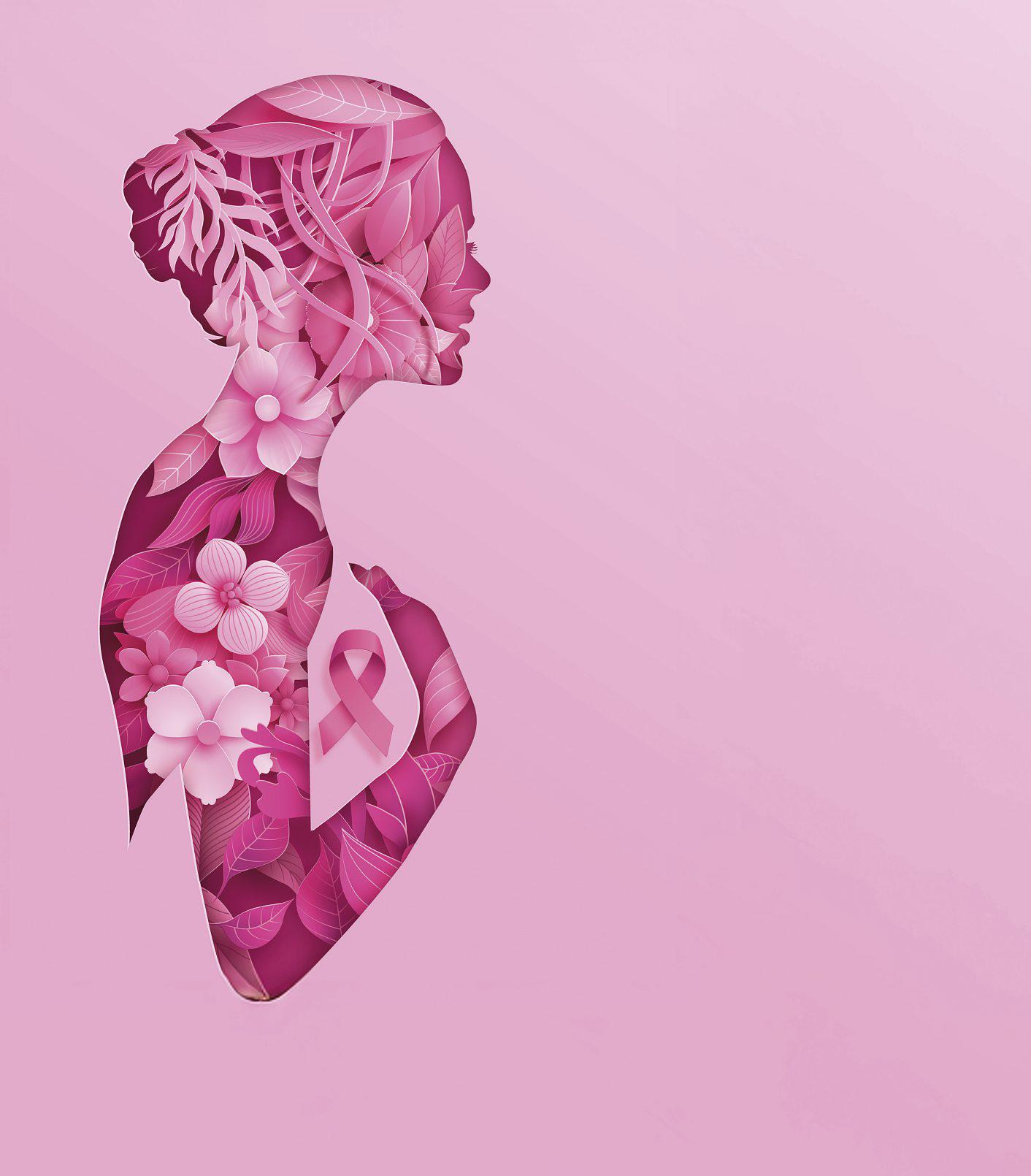
When we talk about 'genetics' in breast cancer, we need to distinguish between two distinct factors, says clinical and radiation oncologist Dr Lizanne Langenhoven. The first is a woman's inherited genetic makeup, which influences her likelihood of developing breast cancer. The second comes into play after a diagnosis; the genetic characteristics of the cancer itself need to be considered, regardless of whether the person carries a known breast cancer gene. Tumour-specific traits determine the most effective course of treatment.
INHERITING THE GENE
Each parent contributes half of our genetic makeup when we are conceived. Think of it as receiving a recipe book from each parent, with the necessary information to create all the parts of a living human being. Some families have an error in the recipe for the so-called ‘tumour-suppressor genes’ — a group of genes that detect DNA damage and repair or destroy these damaged cells, thereby preventing the formation of cancer.
So how does it work?
Carriers of certain genetic mutations are born with only one functional copy — rather than the usual two — of the genes that help suppress cancer, one from each parent. Over time, if this single working copy is damaged by factors such as ageing, lifestyle or environmental exposure, there is no backup to keep abnormal cell growth in check, increasing the risk of cancer. For women with one of these mutations, the lifetime risk of developing breast cancer is between 30% and 80%, as opposed to 12% for those without a mutation.
Several genes can increase the risk of breast cancer, but you're probably most familiar with BRCA1 and BRCA2. Most of us likely heard of these genes for the first time when Angelina Jolie revealed that she had inherited a BRCA mutation. To reduce her risk of developing breast and ovarian cancer, she chose to have a bilateral mastectomy, followed by the removal of her ovaries.

Diese Geschichte stammt aus der September/October 2025-Ausgabe von Fairlady.
Abonnieren Sie Magzter GOLD, um auf Tausende kuratierter Premium-Geschichten und über 9.000 Zeitschriften und Zeitungen zuzugreifen.
Sie sind bereits Abonnent? Anmelden
WEITERE GESCHICHTEN VON Fairlady

Fairlady
La dolce vita
When to save, where to splurge and how to travel sweetly in Tuscany, one of the world's most enchanting regions

5 mins
November/December 2025

Fairlady
LOVE HEAL LEARN?
A conversation with Elizabeth Gilbert on All the Way to the River, her controversial book about her relationship with her best friend Rayya.
10 mins
November/December 2025

Fairlady
11 LOW EFFORT HEALTH HACKS
Here are some easy lifestyle switch-ups with big benefits for your health.
7 mins
November/December 2025

Fairlady
PUSHING THE NEEDLE
A minimally invasive treatment that boosts collagen and helps with pigmentation? Yes, please! FAIRLADY photographer Liza van Deventer signed up for a few microneedling sessions at The Laser Beautique.
6 mins
November/December 2025

Fairlady
ASK THE EXPERTS
Who better to get product recommendations from than the women on the frontlines of beauty? We asked two dermatologists, two hair and makeup artists, a hairstylist and a model/actress to tell us about the ride-or-die products in their arsenal.
7 mins
November/December 2025

Fairlady
Gift OF THE GARB
Party season is here, but never fear...Occasionwear doesn't have to be over the top, brightly coloured or cookie-cutter bridesmaid gear. Here are our top festive trends doing the rounds, all in pretty neutrals with just a touch of sparkle and some beautiful detailing.
1 mins
November/December 2025
Fairlady
Books
High-stakes family drama, unconventional crime capers and a rather likeable serial killer
5 mins
November/December 2025

Fairlady
Christmas FROM START TO FINISH
An exciting new take on a variety of classic dishes and other delicious options for your festive table this Christmas
12 mins
November/December 2025

Fairlady
How much PLASTIC are you INGESTING?
Researchers have found the equivalent of a spoonful of micro- and nanoplastics in autopsied human brains, and suggested links to cancer, cardiovascular disease and dementia. How worried should we be?
9 mins
November/December 2025

Fairlady
AFRICAN DREAM
From crafting gem-studded jewellery that tells local stories to brewing beer with ingredients indigenous to Africa, these two entrepreneurs are rewriting tradition.
7 mins
November/December 2025
Listen
Translate
Change font size