
Mit Magzter GOLD unbegrenztes Potenzial nutzen
Erhalten Sie unbegrenzten Zugriff auf über 9.000 Zeitschriften, Zeitungen und Premium-Artikel für nur
Versuchen GOLD - Frei
From tools to intelligent partners
PCQuest
|February 2025
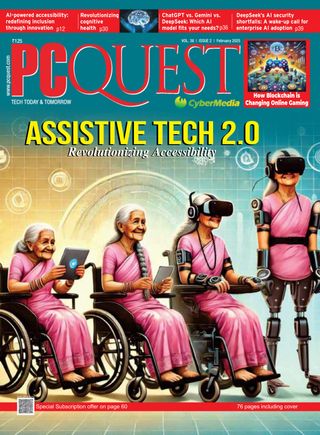
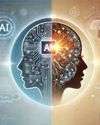
AI is transforming assistive tech from basic tools to intelligent partners. Smart wheelchairs, adaptive prosthetics, and predictive AI are making life easier. But challenges like bias and cost remain. The future? Not just assistance-true empowerment
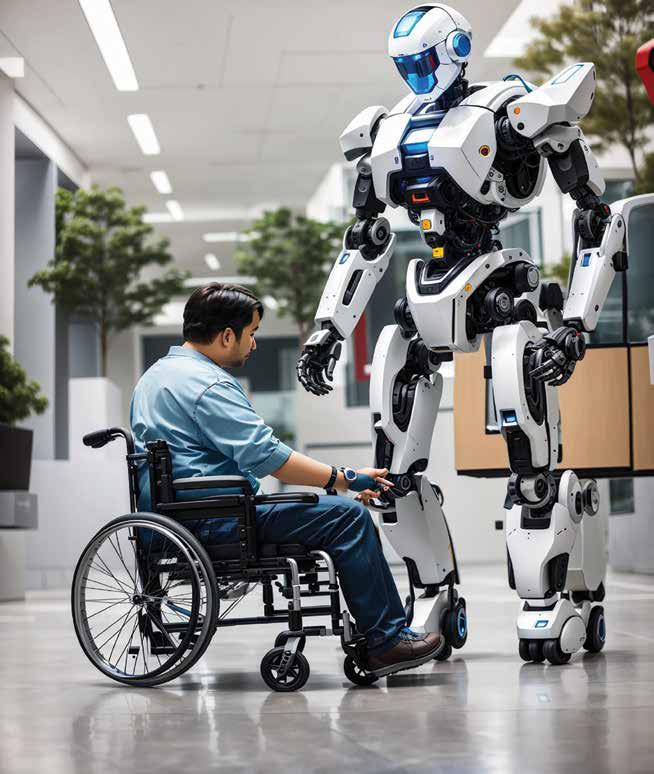
Assistive technology has always been about breaking barriers. From prosthetic limbs to screen readers, these innovations have helped millions navigate daily life. But let's be real-most of these tools have been reactive, functional at best, and often lacking real adaptability.
Enter Artificial Intelligence (AI) and its creative cousin, Generative AI (Gen Al). These technologies aren't just adding features to assistive tools; they're making them intuitive, self-learning, and even predictive. Imagine an Al-powered wheelchair that adjusts its path based on real-time obstacles. Or a voice assistant that understands speech impairments and corrects its responses dynamically.
This shift is turning assistive devices from static tools into intelligent partners. But as with any revolution, there are concerns-bias in AI training data, ethical considerations, and the need for true inclusivity. Let's dive into the game-changing innovations shaping the future of assistive technology and the hurdles that still need clearing.
AI in Assistive Tech: Smarter, Faster, More Adaptive
The real magic of AI isn't just automationit's learning. Unlike traditional assistive tools that require constant adjustments, Al-powered devices can adapt, anticipate, and fine-tune themselves based on individual needs.
1. Smarter Mobility: Wheelchairs, Prosthetics & Exoskeletons
For decades, mobility aids have been mostly mechanical. Now, they're getting an Alpowered upgrade.
Al-Powered Wheelchairs: Smart wheelchairs can analyze surroundings, detect obstacles, and suggest optimal paths. Some even monitor fatigue and recommend rest breaks before exhaustion kicks in.
Intelligent Prosthetics & Exoskeletons:
- Al-driven prosthetics interpret nerve signals to predict movement, allowing for smoother and more natural mobility.

Diese Geschichte stammt aus der February 2025-Ausgabe von PCQuest.
Abonnieren Sie Magzter GOLD, um auf Tausende kuratierter Premium-Geschichten und über 9.000 Zeitschriften und Zeitungen zuzugreifen.
Sie sind bereits Abonnent? Anmelden
WEITERE GESCHICHTEN VON PCQuest

PCQuest
When Software Drives the Machine Need for Enterprise-Grade Software
Cars used to fail because of broken parts.Now they fail because of broken code. As vehicles become rolling computers, enterprise-grade software, ruthless testing, and fail-safe architecture decide one thing: whether a car keeps moving safely at 100 km/h

2 mins
March 2026

PCQuest
AI on the ground Practical use cases of AI in large enterprise operations
AI isn't a side project anymore, it's the quiet operator inside global giants. It reads invoices, senses machine fatigue, tailors every customer moment, flags risk in real time, and feeds leaders sharper instincts. Scale just got smarter
3 mins
March 2026
PCQuest
From AI experiments in 2025 to enterprise scale in 2026: Why data foundations will decide the winners
Everyone's betting big on Al, but most are burning cash instead of building value. The hidden culprit? Dirty data, clunky processes, and missing context. What if fixing your foundation, not your algorithms, was the real AI game-changer?
4 mins
March 2026

PCQuest
How automation at the periphery is accelerating digital transformation
Digital transformation is not tearing down the core anymore. It is happening at the edges. With AI and automation layered onto existing systems, companies are cutting costs, boosting productivity by up to 40%, and scaling smarter without risking operational chaos
2 mins
March 2026
PCQuest
When AI moves from chips to racks
AI performance is no longer just about faster chips. It is about how racks, power, networking, and orchestration work together. As agentic AI grows, infrastructure must become predictable, open, and built for scale from day one
4 mins
March 2026

PCQuest
Designing enterprise AI systems that stay fair
In 2026, bias is no longer treated as a communications issue or a public relations headache.
6 mins
March 2026

PCQuest
HALO smart sensor
What if bathrooms, locker rooms, and isolated spaces could become safer without adding cameras?
2 mins
March 2026

PCQuest
Building enterprise AI that doesn't discriminate
Bias in enterprise AI is not a side issue. It starts in data pipelines, training systems, product design, and engineering workflows. As AI scales, fairness, transparency, and accessibility are becoming core software requirements
4 mins
March 2026
PCQuest
Bias travels faster than code
Bias in enterprise AI is not a surface issue. It enters through data, features, model training, APIs, and UI logic, then spreads across the stack. The technical response is shifting from audits to architecture, observability, and deployment controls
6 mins
March 2026

PCQuest
How hospitals can use AI without risking patient data
With the fast pace of adoption of Artificial Intelligence (AI) and digital health systems in Indian hospitals, issues related to the security of patient data are also increasing at an equal rate.
2 mins
March 2026
Listen
Translate
Change font size