Versuchen GOLD - Frei
DOES FAST CHARGING DAMAGE YOUR PHONE'S BATTERY? EXPERTS EXPLAIN WHAT REALLY HAPPENS OVER TIME
AppleMagazine
|November 14, 2025
As smartphones adopt increasingly powerful charging systems—some now reaching 100 watts or more—a recurring question continues to circulate among users and engineers alike: does fast charging harm a phone's battery in the long run? Recent findings suggest the answer is more nuanced than simple yes or no, depending largely on how the technology is implemented and how consistently it’s used.
-
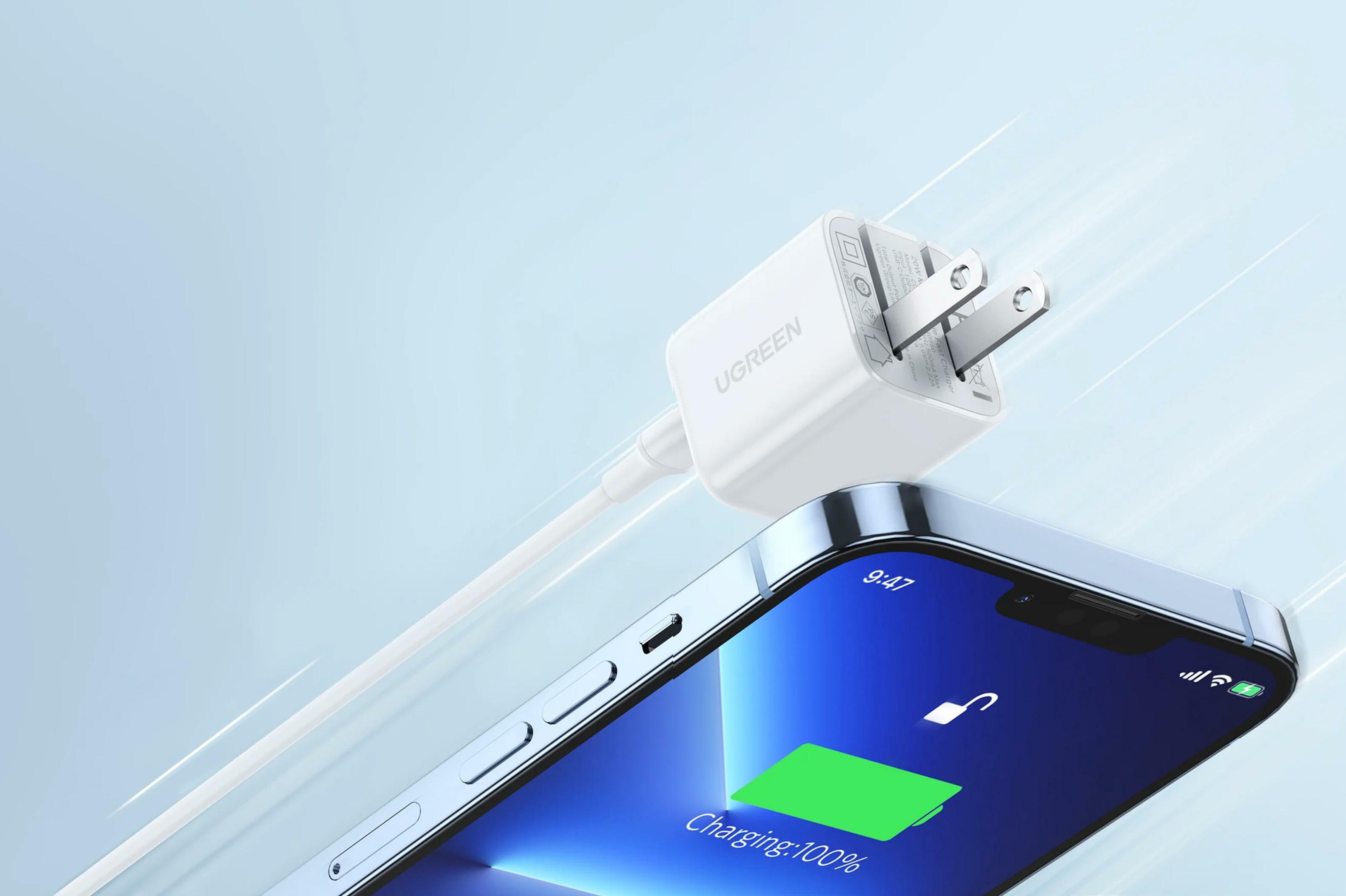
According to a detailed breakdown by BGR, battery degradation is influenced not by the act of fast charging itself but by the heat generated during high-voltage power transfer. Modern charging systems rely on lithium-ion or lithium-polymer cells, which deteriorate faster when exposed to sustained high temperatures. While contemporary devices employ sophisticated control systems to mitigate these effects, the limits of chemistry remain constant: heat accelerates wear, regardless of design.
HOW FAST CHARGING TECHNOLOGY WORKS
Fast charging operates by increasing either voltage, current, or both to deliver energy to the battery more quickly. Technologies such as USB Power Delivery (USB-PD), Qualcomm Quick Charge, and proprietary systems from companies like Apple, Samsung, and Xiaomi manage this process dynamically.
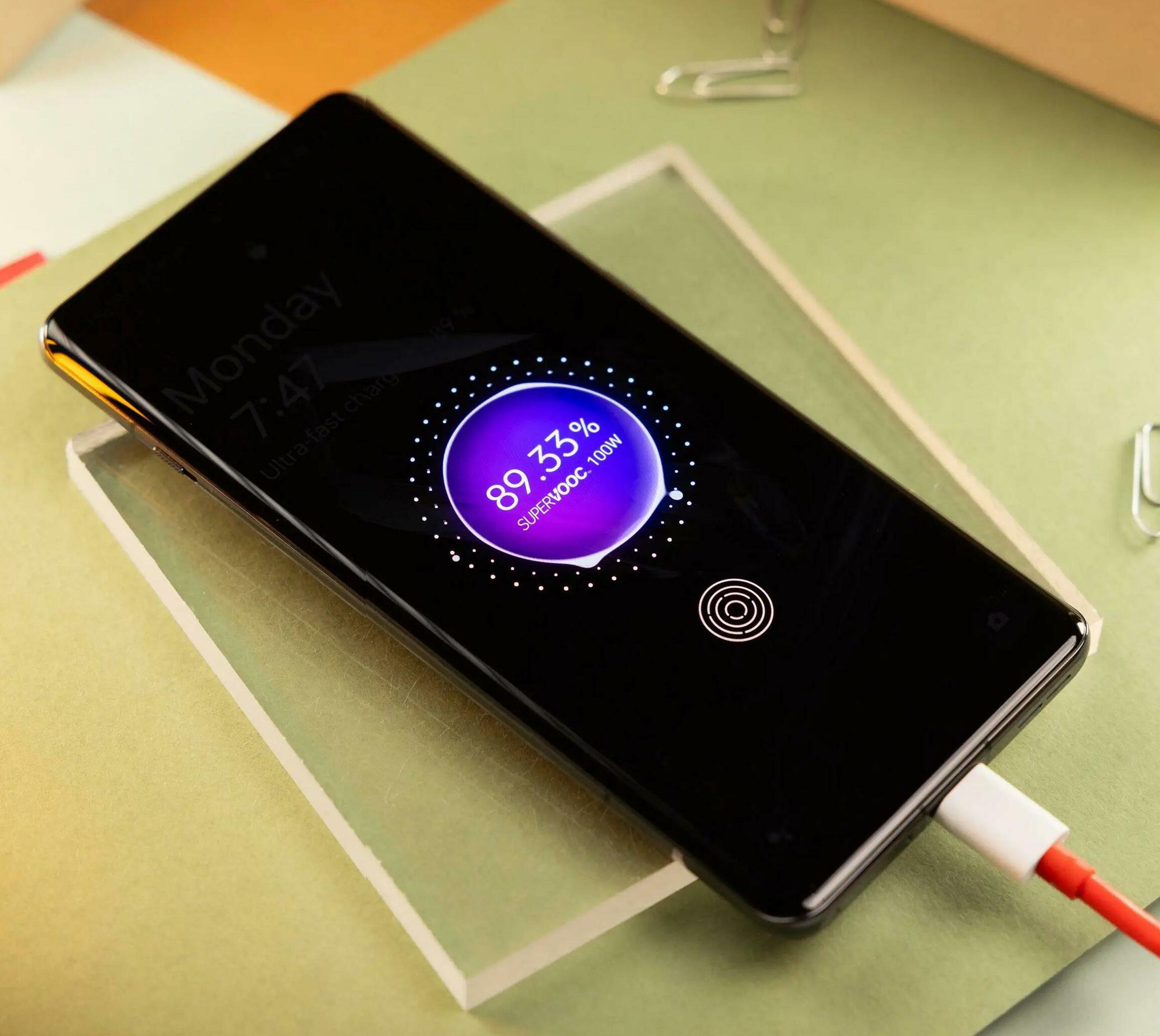 Instead of maintaining peak voltage continuously, modern fast chargers communicate with the device to adjust energy flow in real time. Once the battery reaches around 70 to 80 percent capacity, the charging rate tapers down to avoid thermal buildup. This step-down process, known as the constant voltage phase, helps preserve battery health by minimizing chemical stress during the final portion of charging.
In short, the risk of damage depends less on the rated wattage—whether it’s 30W or 120W—and more on how effectively the phone and charger coordinate to manage heat. Devices designed with thermal sensors, charge-distribution circuits, and active monitoring algorithms can support faster charging without significant impact on lifespan.


Diese Geschichte stammt aus der November 14, 2025-Ausgabe von AppleMagazine.
Abonnieren Sie Magzter GOLD, um auf Tausende kuratierter Premium-Geschichten und über 9.000 Zeitschriften und Zeitungen zuzugreifen.
Sie sind bereits Abonnent? Anmelden
WEITERE GESCHICHTEN VON AppleMagazine

AppleMagazine
FOXCONN REPORTS RECORD Q4 REVENUE AS AI SERVER DEMAND ACCELERATES IN 2026
Foxconn reported record fourth-quarter revenue, posting a 22.07 percent increase year over year, underscoring how artificial intelligence infrastructure has become a central growth driver for the company as it enters 2026.

2 mins
January 09, 2026

AppleMagazine
APPLE EXPANDS FITNESS+ WITH NEW PROGRAMS, STRAVA CHALLENGE, AND ACTIVITY AWARDS
Apple outlined a new set of updates for its Fitness+ service and Apple Watch activity features, adding structured workout programs, limited-time challenges, and new audio walking content designed to support users during the early months of the year.
2 mins
January 09, 2026

AppleMagazine
FORMER APPLE ENGINEERS LAUNCH LYTE TO BUILD A “VISUAL BRAIN” FOR ROBOTS
Apple veterans behind some of the core technology that powers Face ID are stepping into the robotics spotlight with a new startup aimed at redefining how machines see and understand the world.
2 mins
January 09, 2026

AppleMagazine
NO STANDARD IPHONE 18 EXPECTED THIS YEAR AS APPLE REVIEWS RELEASE TIMING
Apple is not expected to introduce a standard iPhone 18 during the current product cycle, according to multiple reports pointing to a change in how the company stages its flagship smartphone launches.
2 mins
January 09, 2026

AppleMagazine
IPHONE 17E RUMORED TO ADD DYNAMIC ISLAND AND A19 CHIP AS PRODUCTION NEARS
Apple is preparing another update to its entry-level iPhone lineup, with new supply-chain chatter suggesting that the upcoming iPhone 17e will introduce design and silicon changes that bring it closer to Apple's recent mainstream devices while keeping costs in check.
3 mins
January 09, 2026

AppleMagazine
IPADOS AND MACOS 26.2 EXPAND 5GHZ WI-FI CAPABILITY ON WI-FI 6E HARDWARE
With the release of iPadOS 26.2 and macOS Tahoe 26.2, Apple has updated WiFi behavior on a range of recent Macs and iPads, enabling wider channel use on 5GHz networks for devices that support WiFi 6E.
2 mins
January 09, 2026

AppleMagazine
NVIDIA CONFIRMS VERA RUBIN NVL72 HAS ENTERED PRODUCTION
Nvidia chief executive Jensen Huang used his keynote address at CES to confirm that the company's Vera Rubin NVL72 platform is now in production.
2 mins
January 09, 2026

AppleMagazine
LOW-COST 12.9-INCH MACBOOK WITH A18 PRO REPORTEDLY SET FOR EARLY 2026 RELEASE
Apple is preparing to introduce a new, lower-priced MacBook in early 2026, according to a recent report from TrendForce.
3 mins
January 09, 2026

AppleMagazine
APPLE'S NEXT IPHONE 17E ENTERS MASS PRODUCTION AS LEAKS CLARIFY DESIGN AND PRICING
Apple is preparing to move its next entry-level iPhone into mass production, according to supply-chain claims circulating from China, with manufacturing expected to begin shortly after CES.
2 mins
January 09, 2026

AppleMagazine
XAI RAISES $20 BILLION IN SERIES E AS FUNDING EXPANDS ALONGSIDE REGULATORY SCRUTINY
xAI, the artificial intelligence company founded by Elon Musk, has secured $20 billion in a Series E funding round, surpassing its initial $15 billion target.
2 mins
January 09, 2026
Listen
Translate
Change font size