Versuchen GOLD - Frei
HEADSCRATCHERS
The Week Junior Science+Nature UK
|Christmas 2025
Seeking answers to your science questions? Ask our resident expert, Peter Gallivan.
Hi, I'm Pete, and I love science and the natural world. I work with the Royal Institution (Ri) in London, where you can find exciting, hands-on science events for young people. We've teamed up with The Week Junior Science+Nature to answer your burning science questions.
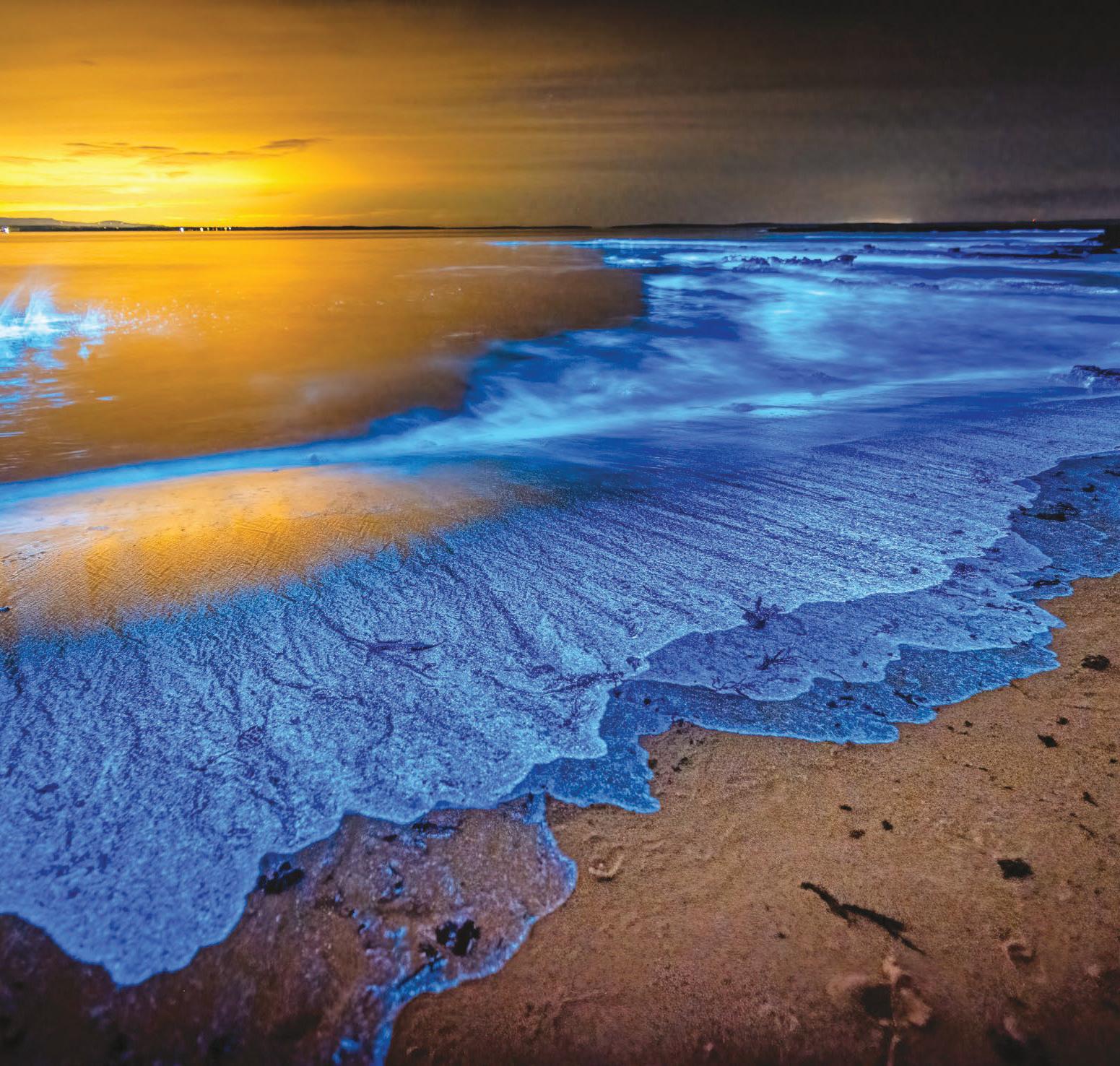
Reindeer noses don't actually glow, but there are plenty of other animals in the wild that do have the ability to produce their own light, a process called bioluminescence. In most glowing animals, light is created when a molecule called luciferin reacts with oxygen. Fireflies are perhaps the most well-known bioluminescent animals, flashing a yellow, green or orange light to warn off predators, and to help find their partners in dense forests.
These glow-in-the-dark abilities are most common in fish, with 1,500 known species that can produce their own light - often those living in the dark depths of the ocean. Angler fish use a glowing orb as a lure to tempt unsuspecting prey. While most glowing animals produce their own luciferin, the Hawaiian bob-tailed squid relies on a friendly bacteria living in its skin to produce the substance. In return, the squid provides food for the microbes.

Diese Geschichte stammt aus der Christmas 2025-Ausgabe von The Week Junior Science+Nature UK.
Abonnieren Sie Magzter GOLD, um auf Tausende kuratierter Premium-Geschichten und über 9.000 Zeitschriften und Zeitungen zuzugreifen.
Sie sind bereits Abonnent? Anmelden
WEITERE GESCHICHTEN VON The Week Junior Science+Nature UK
The Week Junior Science+Nature UK
ANIMAL ISLANDS
Hop aboard as Daisy Dobrijevic sets sail to discover the world's most unusual beasts.

5 mins
March 2026
The Week Junior Science+Nature UK
Wildlife watch
Take a walk on the wild side with Jenny Ackland.
1 mins
March 2026

The Week Junior Science+Nature UK
Pushmeet Kohli
Meet the tech genius who trains the smart computers that are changing your world.
3 mins
March 2026
The Week Junior Science+Nature UK
New map reveals secrets hidden under Antarctic ice
A new map of Antarctica has A revealed thousands of hills Are revealed thousands of hills and valleys buried under its thick layers of ice.
1 min
March 2026
The Week Junior Science+Nature UK
Why do dolphins jump out of the water?
Discover what makes these graceful ocean mammals leap for joy.
2 mins
March 2026
The Week Junior Science+Nature UK
Ancient fish had four eves
Ancient vertebrates (animals that have backbones) had four eyes that worked a lot like ours, new research shows.
1 min
March 2026
The Week Junior Science+Nature UK
How? What? Why?
Set your curiosity free as Mike Rampton explains how asking questions changes the world.
5 mins
March 2026

The Week Junior Science+Nature UK
Bye-bye bitter grapefruits
Scientists have found a way to make grapefruits less bitter.
1 min
March 2026
The Week Junior Science+Nature UK
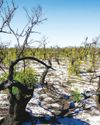
Spreading seeds of hope
Meet the scientists who are using drones to seed lost landscapes.
1 mins
March 2026
The Week Junior Science+Nature UK
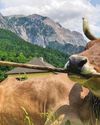
Udderly brilliant cow seen using tools
A talented Austrian cow has shecked researchers by using both ends of a broom as a grooming tool.
1 min
March 2026
Listen
Translate
Change font size