
Mit Magzter GOLD unbegrenztes Potenzial nutzen
Erhalten Sie unbegrenzten Zugriff auf über 9.000 Zeitschriften, Zeitungen und Premium-Artikel für nur
Versuchen GOLD - Frei
HEADSCRATCHERS
The Week Junior Science+Nature UK
|March 2025
Seeking answers to your science questions? Ask our resident expert, Peter Gallivan
Hi, I’m Pete, and I love science and the natural world. I work with the Roy al Institution (Ri) in London, where you can find exciting, hands-on science events for young people. We’ve teamed up with The Week Junior Science+Nature to answer your burning science questions.
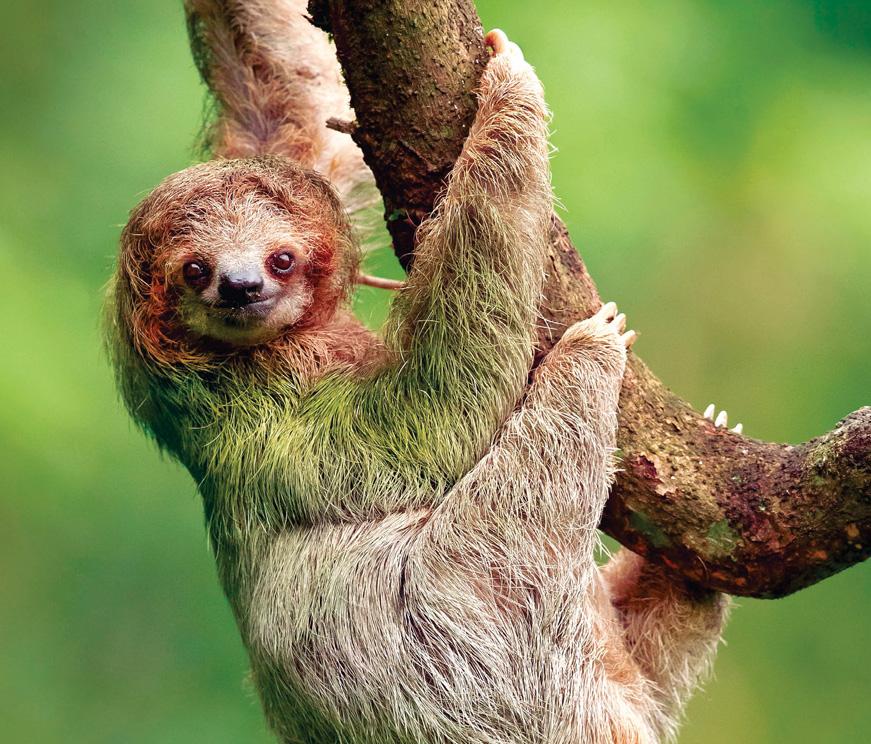
How do sloths stay alive if they move so slowly?
Harry
Sloths, as their name suggests, are some of the slowest animals on the planet, moving on average just 40 metres per day. They have adapted to a specific way of life. Up in the trees of tropical jungles, they are safe from predators and have no need to move quickly to escape. Instead they stay still, safely camouflaged among the leafy tree canopy. The hot weather also means they don’t waste energy keeping their bodies warm – a big energy-zapper for mammals in colder environments.
 This all means that sloths don’t really require much energy to stay alive. That is good news, because their diet of leaves and tree bark doesn’t contain much nutrition, and their four-chambered stomachs take days to digest any meals.

Diese Geschichte stammt aus der March 2025-Ausgabe von The Week Junior Science+Nature UK.
Abonnieren Sie Magzter GOLD, um auf Tausende kuratierter Premium-Geschichten und über 9.000 Zeitschriften und Zeitungen zuzugreifen.
Sie sind bereits Abonnent? Anmelden
WEITERE GESCHICHTEN VON The Week Junior Science+Nature UK
The Week Junior Science+Nature UK
ANIMAL ISLANDS
Hop aboard as Daisy Dobrijevic sets sail to discover the world's most unusual beasts.

5 mins
March 2026
The Week Junior Science+Nature UK
Wildlife watch
Take a walk on the wild side with Jenny Ackland.
1 mins
March 2026

The Week Junior Science+Nature UK
Pushmeet Kohli
Meet the tech genius who trains the smart computers that are changing your world.
3 mins
March 2026

The Week Junior Science+Nature UK
New map reveals secrets hidden under Antarctic ice
A new map of Antarctica has A revealed thousands of hills Are revealed thousands of hills and valleys buried under its thick layers of ice.
1 min
March 2026

The Week Junior Science+Nature UK
Why do dolphins jump out of the water?
Discover what makes these graceful ocean mammals leap for joy.
2 mins
March 2026
The Week Junior Science+Nature UK
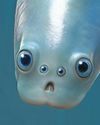
Ancient fish had four eves
Ancient vertebrates (animals that have backbones) had four eyes that worked a lot like ours, new research shows.
1 min
March 2026
The Week Junior Science+Nature UK
How? What? Why?
Set your curiosity free as Mike Rampton explains how asking questions changes the world.
5 mins
March 2026

The Week Junior Science+Nature UK
Bye-bye bitter grapefruits
Scientists have found a way to make grapefruits less bitter.
1 min
March 2026
The Week Junior Science+Nature UK
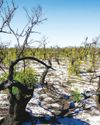
Spreading seeds of hope
Meet the scientists who are using drones to seed lost landscapes.
1 mins
March 2026
The Week Junior Science+Nature UK
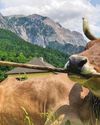
Udderly brilliant cow seen using tools
A talented Austrian cow has shecked researchers by using both ends of a broom as a grooming tool.
1 min
March 2026
Listen
Translate
Change font size