
Mit Magzter GOLD unbegrenztes Potenzial nutzen
Erhalten Sie unbegrenzten Zugriff auf über 9.000 Zeitschriften, Zeitungen und Premium-Artikel für nur
Versuchen GOLD - Frei
Testosterone Boosts for Women?
Scientific American
|April 2026
Supplements can improve a woman's sex drive—but the effects may be small
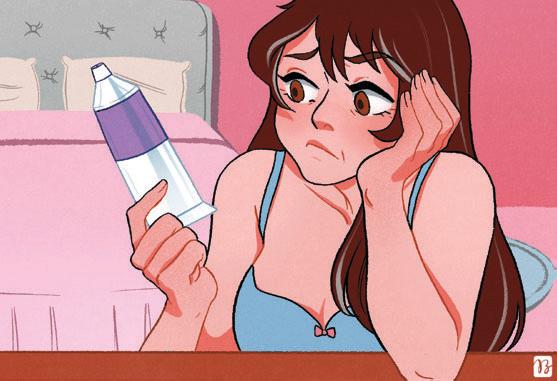
MORE THAN 20 YEARS after menopausal hormone therapy fell out of favor, it is having a renaissance. There is better clarity on the benefits and risks of estrogen and progesterone for women of a certain age. Women are also demanding more attention to their needs. All of this helps to explain the exploding popularity of a related supplement: testosterone. Social media would like us to believe that if estrogen can relieve a woman's hot flashes, testosterone can make her hot in bed. But is it true?
Like estrogen and progesterone, testosterone occurs naturally in women and men, although relative levels of these hormones differ by biological sex. Women have about one-tenth the amount of testosterone that men have. Estrogen and progesterone are particularly important for female reproductive functioning. But surprisingly, “testosterone is not necessarily any less important,” says obstetrician and gynecologist Jill Liss, who's on the faculty at the University of Colorado Anschutz medical school.
In women and men, testosterone affects strength and body composition. It also influences brain pathways tied to sexual motivation and reward and increases blood flow and sensitivity. “We have extremely good data on the effects of testosterone on nearly all aspects of sexual function in women,” says ob-gyn James Simon of the George Washington University School of Medicine and Health Sciences. When used on the skin in a cream or gel, testosterone can increase desire, arousal, orgasmic function and sexual responsiveness, according to a 2019 Global Consensus Position Statement by experts in menopause and sexual health.

Diese Geschichte stammt aus der April 2026-Ausgabe von Scientific American.
Abonnieren Sie Magzter GOLD, um auf Tausende kuratierter Premium-Geschichten und über 9.000 Zeitschriften und Zeitungen zuzugreifen.
Sie sind bereits Abonnent? Anmelden
WEITERE GESCHICHTEN VON Scientific American

Scientific American
The Business of Space Weather
A company aims to offer better forecasts based on a new solar model

7 mins
April 2026

Scientific American
Mindless Sleep
Even without brains, sea anemones and jellyfish can sleep like humans do
1 min
April 2026

Scientific American
THE KIDS ARE ALL RIGHT
Young people are doing better than you think
12 mins
April 2026

Scientific American
Something in THE WATER
Pristine alpine lakes are being choked by algal blooms. The culprit is in the air
9 mins
April 2026

Scientific American
A Dose of Prevention
New alert systems and biomarkers are spotting drug- induced kidney damage early, before irreversible harm
6 mins
April 2026

Scientific American
Life on the Edge
Kidney damage can progress for years without symptoms. The newly diagnosed cope with everything from restrictive diets to the emotional and logistical toll of dialysis
9 mins
April 2026

Scientific American
Stopping an Autoimmune Attack
IgA nephropathy, a frequent cause of kidney failure, is underdiagnosed. New treatments mean it's more important now to find those who will benefit
8 mins
April 2026

Scientific American
Mindless Sleep
Even without brains, sea anemones and jellyfish can sleep like humans do
4 mins
April 2026

Scientific American
Microbes Afloat
BACTERIA AND THE VIRUSES that infect them are perpetually at war. Their deadly clashes push both kinds of microbes to evolve new traits that meet the challenges of every environment they inhabit, from the human digestive tract to the seafloor’s hydrothermal vents— and even the harsh conditions of space.
2 mins
April 2026

Scientific American
The Strangest Bloom
Research reveals how the corpse flower came by its peculiar traits
9 mins
April 2026
Listen
Translate
Change font size